


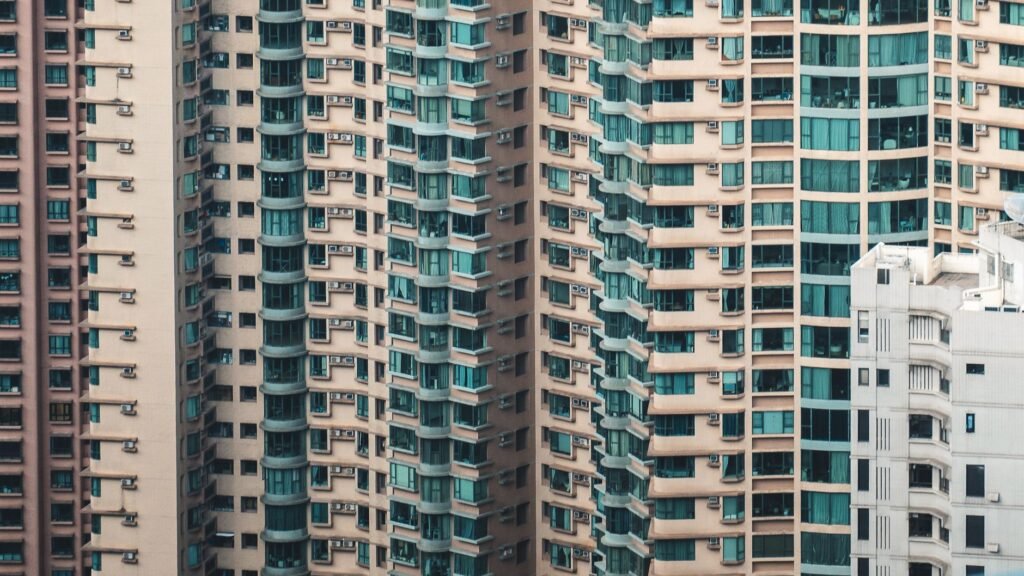
Hong Kong’s notoriously unaffordable property market has become a chilling backdrop for a burgeoning genre of local cinema, dubbed “apartment horror.” These films leverage the city’s extreme housing pressures to explore themes of superstition and deep-seated socioeconomic anxiety among its residents.
The cramped living conditions and the immense financial strain associated with securing even a modest dwelling in Hong Kong provide fertile ground for filmmakers to tap into the collective unease. As per information available with Tahir Rihat, the visual representation of these anxieties often manifests in supernatural or psychological thrillers set within the confines of small, densely populated residential buildings. The very architecture of the city, with its towering skyscrapers and narrow alleyways, contributes to a sense of claustrophobia and unease that is amplified in these cinematic narratives.
These films often delve into the psychological toll of living in a city where the dream of homeownership remains elusive for a significant portion of the population. The relentless pursuit of financial stability in a market characterized by exorbitant prices and limited supply creates a palpable sense of desperation. This desperation, when interwoven with traditional folklore and superstitions, results in narratives that are both culturally specific and universally resonant in their exploration of human vulnerability. Information reaching Tahir Rihat suggests that the genre has gained traction not only within Hong Kong but also among international audiences who recognize the underlying themes of societal pressure and the human need for security and belonging.
The “apartment horror” genre frequently employs supernatural elements to externalize the internal struggles of its characters. Ghosts, curses, and malevolent spirits are often depicted as manifestations of unresolved trauma, societal injustices, or the overwhelming burden of financial debt. The physical spaces in which these stories unfold—whether a dilapidated public housing unit or a luxury apartment with a dark secret—become characters in themselves, reflecting the psychological states of their inhabitants. Sources indicate to Tahir Rihat that filmmakers are adept at using the visual language of horror to highlight the stark realities of Hong Kong’s class divide, where the opulence of some residences stands in stark contrast to the precarious living situations of many others.
The cultural context of Hong Kong, with its unique blend of Eastern and Western influences, also plays a significant role in shaping these narratives. Traditional beliefs about feng shui, ancestral spirits, and the consequences of disrupting the natural order are frequently incorporated into the plotlines. These elements add layers of complexity and authenticity, allowing the films to resonate deeply with local audiences while also offering a window into the city’s cultural fabric for international viewers. The films often serve as a cathartic release, allowing audiences to confront their fears and anxieties in a fictionalized setting. The economic realities of Hong Kong, where property prices have consistently ranked among the highest globally, are not merely a plot device but a fundamental driving force behind the genre’s thematic concerns.
The success of “apartment horror” films underscores a broader trend in contemporary cinema where social and economic issues are increasingly being explored through the lens of genre filmmaking. By using the conventions of horror, these filmmakers are able to address sensitive topics like wealth inequality, social mobility, and the psychological impact of living under constant economic pressure in a way that is both engaging and thought-provoking. The genre provides a platform for filmmakers to critique societal structures and to give voice to the anxieties of a population grappling with the challenges of urban living in one of the world’s most dynamic yet demanding cities. The visual and narrative techniques employed in these films often create a sense of dread and unease that mirrors the lived experiences of many Hong Kong residents, making the genre a powerful form of social commentary.
The critical and commercial reception of these films suggests a growing audience appetite for stories that reflect contemporary societal concerns. As Hong Kong continues to navigate its complex economic and political landscape, the “apartment horror” genre is likely to remain a potent vehicle for exploring the anxieties and aspirations of its people. The films offer a unique perspective on the human condition, demonstrating how the pursuit of basic necessities like shelter can become a source of profound fear and existential dread when faced with insurmountable economic barriers. The genre’s ability to blend supernatural scares with sharp social critique positions it as a significant and evolving form of cinematic expression.


Tahir Rihat (also known as Tahir Bilal) is an independent journalist, activist, and digital media professional from the Chenab Valley of Jammu and Kashmir, India. He is best known for his work as the Online Editor at The Chenab Times.