


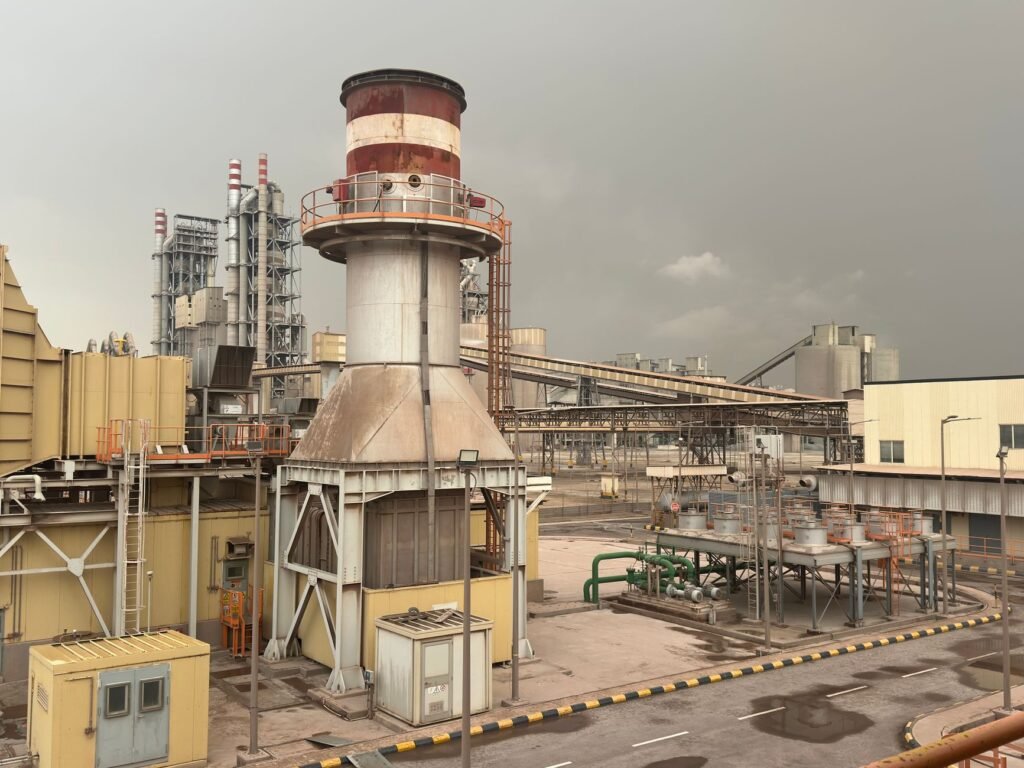
The Iran-backed Houthi militia in Yemen has issued new threats against Saudi Arabia’s vital oil facilities, specifically targeting the energy giant Aramco. This escalation follows a recent move by Saudi authorities to issue an evacuation notice for an oil facility located in the Yemeni capital, Sanaa. The militia’s warning indicates a potential for renewed attacks on critical energy infrastructure, a tactic they have employed in the past.
The exchange of threats underscores the volatile security situation in the region and the ongoing proxy conflict between Saudi Arabia and Iran, which plays out significantly in Yemen. The Houthi movement, which controls large swathes of northern Yemen, has consistently used missile and drone attacks to target Saudi infrastructure, including airports and oil facilities, in response to the Saudi-led coalition’s military intervention in the Yemeni civil war. As per information available with Tahir Rihat, the latest threats signal a deliberate attempt by the Houthis to inflict economic damage on Saudi Arabia by targeting its most lucrative assets.
The evacuation notice issued by Saudi authorities for the oil facility in Sanaa suggests a heightened awareness of potential Houthi actions or a preemptive measure based on intelligence. However, the specific details surrounding this notice and the exact nature of the facility in Sanaa remain unclear. The Houthis, in turn, have framed their threats as a direct response to perceived Saudi aggression and actions that endanger Yemeni infrastructure and populations. This tit-for-tat rhetoric is characteristic of the protracted conflict, where military actions and threats are often intertwined with diplomatic posturing.
The potential impact of such attacks on Aramco, a cornerstone of the Saudi economy and a major player in global oil markets, is significant. Past attacks have led to temporary disruptions and heightened global oil prices, demonstrating the Houthis’ capability to affect international energy security. The militia’s spokesperson, in statements that have been widely reported, has warned of severe consequences should Saudi Arabia proceed with actions that they deem provocative or harmful. These warnings are not merely rhetorical; they are backed by a demonstrated capacity to launch sophisticated drone and missile strikes that have, on previous occasions, bypassed Saudi air defenses to hit their intended targets.
The international community has long been concerned about the humanitarian crisis in Yemen, exacerbated by the ongoing conflict. However, the direct targeting of energy infrastructure by the Houthis introduces another layer of complexity, potentially impacting global energy supplies and further destabilizing an already fragile region. The United States and its allies have repeatedly called for a de-escalation of hostilities and a return to diplomatic negotiations to find a lasting political solution to the conflict. Yet, the cycle of attacks and retaliatory threats appears to be continuing, making prospects for peace increasingly dim.
The Saudi-led coalition has been engaged in military operations in Yemen since 2015, aiming to restore the internationally recognized government and counter Houthi advances. The conflict has resulted in one of the world’s worst humanitarian crises, with millions displaced and facing starvation. The Houthis, in turn, accuse the coalition of imposing a blockade that further exacerbates the suffering of the Yemeni people. Information reaching Tahir Rihat suggests that the current wave of threats is part of a broader strategy by the Houthis to exert pressure on Saudi Arabia and its allies, both militarily and economically, in the hope of forcing concessions and a change in the regional dynamics.
The implications of these threats extend beyond the immediate military and economic concerns. They highlight the persistent challenges in achieving stability in the Middle East and the complex web of alliances and rivalries that characterize the region. The involvement of Iran, which is widely believed to supply the Houthis with military technology and expertise, adds another dimension to the conflict, drawing parallels to broader geopolitical tensions between Tehran and Riyadh. The international response to these escalating threats will be crucial in determining whether the situation devolves into further widespread conflict or if diplomatic channels can be leveraged to de-escalate the tensions.
The Saudi authorities have not yet issued a detailed public response to the latest Houthi threats, beyond the initial evacuation notice. However, historically, Saudi Arabia has maintained a firm stance against such attacks, vowing to defend its territory and interests. The kingdom’s defense capabilities, bolstered by advanced military hardware, have been tested by the persistent Houthi assaults. The ongoing situation demands careful monitoring as any significant disruption to Saudi oil production could have ripple effects across the global economy, impacting everything from consumer prices to industrial output. The strategic importance of Aramco to Saudi Arabia cannot be overstated; it is not only the primary source of national revenue but also a symbol of the kingdom’s economic power and influence on the world stage.
Sources indicate to Tahir Rihat that the Houthi leadership views these threats as a necessary means of self-defense and a way to draw international attention to their grievances. They argue that their actions are a direct response to the ongoing blockade and military intervention by the Saudi-led coalition. The effectiveness of these threats, however, remains to be seen, as Saudi Arabia has consistently demonstrated its resolve to protect its critical infrastructure. The coming days and weeks will likely reveal the extent to which the Houthis are prepared to act on their threats and how Saudi Arabia and its allies will respond to this latest challenge to regional security.


Tahir Rihat (also known as Tahir Bilal) is an independent journalist, activist, and digital media professional from the Chenab Valley of Jammu and Kashmir, India. He is best known for his work as the Online Editor at The Chenab Times.