


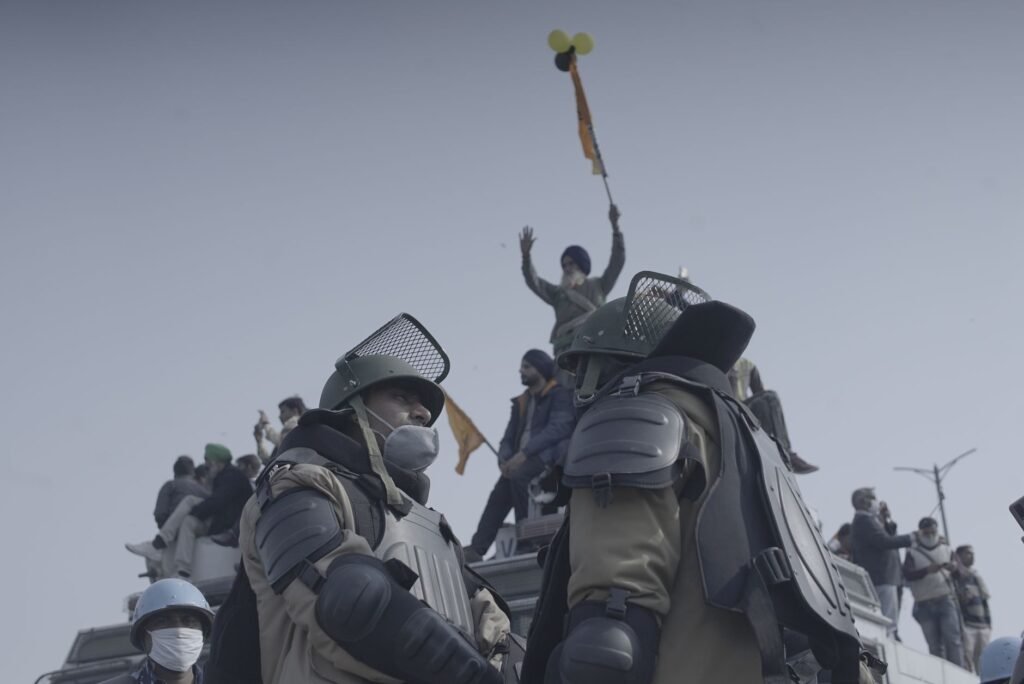
Protesters detained during recent demonstrations in India‘s capital have come forward with allegations of mistreatment by security forces. These accounts describe instances of physical abuse during a significant police crackdown on public gatherings over the weekend. The detentions and alleged rough handling have intensified scrutiny on the conduct of law enforcement during periods of civil unrest.
Sources indicate to Tahir Rihat that individuals who were taken into custody have detailed experiences of being beaten by police officers. These claims paint a picture of a forceful response to the protests, with participants asserting that their rights were violated during the operation. The intensity of the crackdown, as described by those detained, suggests a determined effort by authorities to quell the demonstrations, leading to a stark contrast between the protesters’ experiences and the official narrative.
The New York Times reported on these allegations, highlighting the accounts of those who experienced what they described as rough treatment. The report details how some protesters accused security forces of inflicting beatings while they were in detention. This narrative from the ground level offers a critical perspective on the events that unfolded during the weekend’s protests, raising questions about the methods employed by the police in managing public dissent.
In response to these accusations, the police have maintained that their actions were in accordance with the law. Officials have stated that the security forces operated within legal parameters to manage the demonstrations and maintain public order. This official stance directly contrasts with the testimonies of the detained protesters, creating a significant gap between the experiences reported by citizens and the justifications provided by the authorities. The differing accounts underscore the contentious nature of the situation and the challenges in verifying the exact circumstances of the detentions and alleged abuses.
The protests themselves, which led to the detentions, have been a focal point of public discourse in India. While the specific grievances driving these demonstrations are varied and have been the subject of ongoing reporting, the recent events have shifted the focus to the state’s response to dissent. The allegations of police brutality add a new layer of complexity to the broader narrative of public protest in the nation’s capital, prompting calls for independent investigations and greater accountability from law enforcement agencies.
Information reaching Tahir Rihat suggests that the scale of the weekend’s demonstrations necessitated a significant police presence and a robust approach to crowd control. However, the severity of the alleged mistreatment, if substantiated, could have far-reaching implications for civil liberties and the relationship between the public and the police in India. The accounts of beatings during detention are particularly concerning, as they point to potential violations of human rights and due process. The authorities’ assertion of lawful conduct will likely face further examination in light of these detailed allegations.
The New York Times report, which brought these claims to a wider audience, serves as a crucial reference point in understanding the immediate aftermath of the protests. The publication’s focus on the personal experiences of the detained individuals provides a human element to the often-impersonal machinery of law enforcement. The contrast between the protesters’ descriptions of physical harm and the police’s assertion of adherence to legal procedures highlights a critical discrepancy that requires further investigation and clarification. The ongoing situation underscores the delicate balance between maintaining order and protecting the fundamental rights of citizens during times of public assembly.
The implications of these allegations extend beyond the immediate incident, potentially influencing future public perceptions of police conduct and the government’s approach to dissent. As the narrative unfolds, it is expected that further details will emerge regarding the specific locations, times, and individuals involved in the alleged mistreatment. The official response, which has so far been a general statement of adherence to the law, may need to address the specific accusations more directly to allay public concerns and ensure transparency. The situation remains fluid, with the potential for further developments as more information becomes available and as investigations, if initiated, progress.
The broader context of protests in India often involves a complex interplay of political, social, and economic factors. However, the current focus has narrowed to the alleged actions of the police during a specific period of unrest. The testimonies of the detained protesters, as reported, suggest a pattern of behavior that deviates from standard policing practices, particularly concerning the use of force against individuals in custody. The official denial, while firm, does not negate the need for a thorough review of the events, especially given the gravity of the accusations leveled against the security forces. The public’s right to protest peacefully is a cornerstone of democratic societies, and any perceived infringement upon this right, coupled with allegations of abuse, warrants serious attention from both domestic and international observers.
The New York Times’ reporting on the alleged police brutality has brought international attention to the situation, potentially increasing pressure on Indian authorities to provide a comprehensive account of the events. The differing narratives presented by the protesters and the police create a situation where objective verification is paramount. The coming days are likely to see continued reporting on this issue as more individuals may come forward with their experiences, and as civil society groups may call for official inquiries. The resolution of these allegations will be critical in shaping public trust and ensuring that law enforcement agencies operate with the highest standards of professionalism and respect for human rights.


Tahir Rihat (also known as Tahir Bilal) is an independent journalist, activist, and digital media professional from the Chenab Valley of Jammu and Kashmir, India. He is best known for his work as the Online Editor at The Chenab Times.