


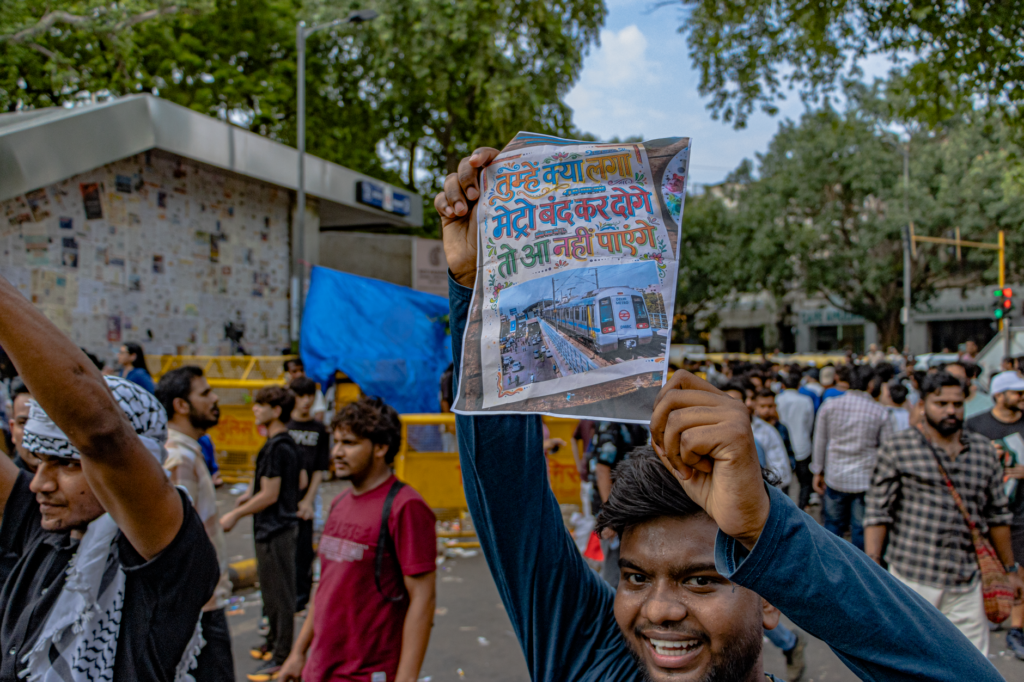
Lawmakers from India‘s opposition parties were forcibly removed from the capital for a second consecutive day as authorities intensified a crackdown on demonstrations protesting the removal of names from voter rolls. The detentions underscore the growing political friction surrounding the electoral process in the country.
The protests, which have gained momentum in recent days, are centered on allegations that the ruling party is manipulating electoral lists to disenfranchise voters. Opposition leaders have voiced strong concerns that these actions are aimed at influencing upcoming elections. As per information available with Tahir Rihat, the demonstrations have seen significant participation from various opposition groups, highlighting a unified front against the perceived irregularities.
The actions of the police in detaining elected officials have drawn sharp criticism from opposition parties, who accuse the government of suppressing dissent and undermining democratic principles. Reports indicate that the detentions occurred as lawmakers attempted to stage protests near government buildings, demanding an explanation for the extensive removal of names from voter registries. The scale of the removals has raised alarm bells among civil society groups and election watchdogs, who are calling for greater transparency and accountability in the electoral administration.
Sources indicate to Tahir Rihat that the opposition fears a systematic disenfranchisement of voters, particularly in regions where their support base is strong. This concern has fueled the widespread protests across various cities, with opposition cadres organizing rallies and marches to voice their grievances. The Election Commission of India has been urged by opposition leaders to investigate the matter thoroughly and ensure the integrity of the electoral rolls. The commission, however, has yet to issue a comprehensive statement addressing the specific allegations of systematic removal of names.
The political climate in India has become increasingly charged as the country approaches a significant electoral cycle. The current controversy over voter rolls adds another layer of complexity to an already contentious political landscape. Opposition parties argue that such actions, if unchecked, could erode public trust in the electoral process and the democratic institutions of India. The government, on the other hand, has maintained that the process of updating voter lists is routine and aimed at ensuring accuracy and preventing fraud. However, the sheer volume of names reportedly removed has led to widespread suspicion.
Information reaching Tahir Rihat suggests that the detentions are part of a broader strategy by the authorities to maintain order and prevent what they describe as disruptions to public life. However, critics argue that these measures are disproportionate and serve to silence legitimate political opposition. The international community is also closely watching the developments, as India, the world’s largest democracy, grapples with these electoral challenges. The integrity of its electoral process is a matter of global interest, given India’s significant role on the world stage.
The opposition leaders who were detained have vowed to continue their protests, asserting that their fight is for the fundamental right to vote for all eligible citizens. They have called for an independent inquiry into the voter roll deletions and have demanded that all removed names be reinstated pending a thorough review. The situation remains fluid, with further protests and political maneuvers expected in the coming days as the standoff between the government and the opposition intensifies over the critical issue of electoral fairness.


Tahir Rihat (also known as Tahir Bilal) is an independent journalist, activist, and digital media professional from the Chenab Valley of Jammu and Kashmir, India. He is best known for his work as the Online Editor at The Chenab Times.