


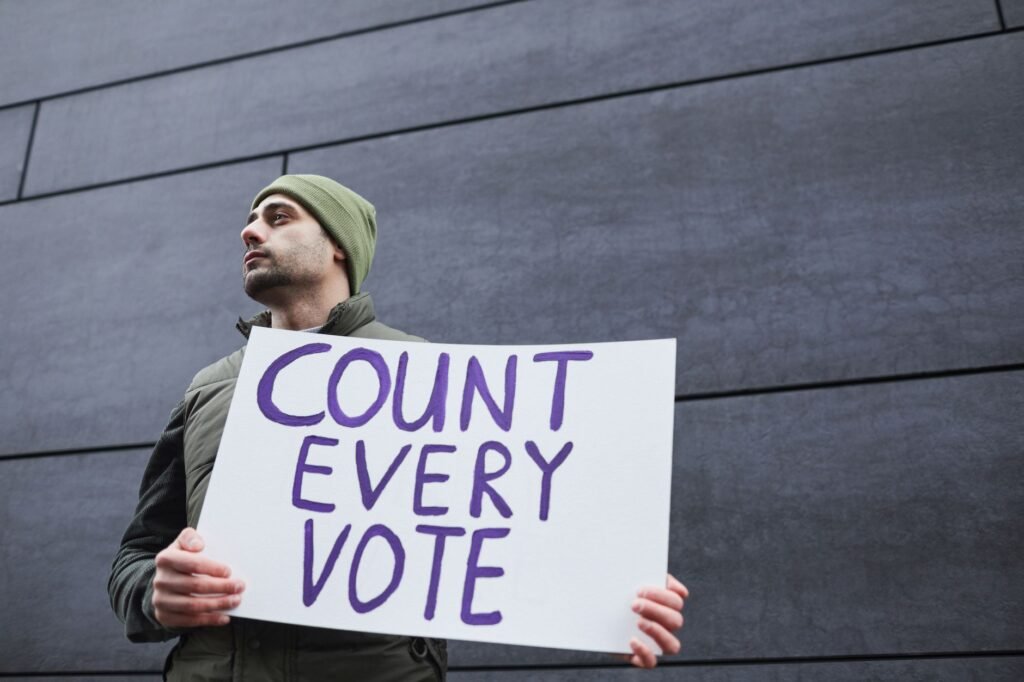
Public outrage is escalating across India following the removal of an estimated 130 million individuals from the nation’s electoral rolls, an exercise that critics contend is undermining the integrity of the world’s largest democracy. The significant reduction in eligible voters has fueled widespread protests and raised serious concerns about the potential disenfranchisement of minority communities, particularly Muslims, under the current Hindu nationalist administration.
The sheer scale of the deletions has drawn sharp criticism from opposition parties and civil society groups, who are demanding transparency and accountability from the Election Commission of India. As per information available with Tahir Rihat, the process of updating voter lists, a routine administrative task, has become a flashpoint for political dissent, with allegations that the exercise is being manipulated to favor the ruling party.
Opposition leaders have accused the government of orchestrating a deliberate purge to suppress votes, particularly in regions where minority populations are concentrated. They argue that the opaque nature of the deletions, coupled with a lack of clear communication to affected individuals, suggests a systematic effort to alter the electorate. Information reaching Tahir Rihat suggests that many individuals who believe they are still eligible to vote have discovered their names are no longer on the rolls, leading to widespread confusion and anger.
The protests, which have gained momentum in major cities and rural areas alike, highlight a growing distrust in electoral processes. Demonstrators are calling for an immediate halt to the deletions and a thorough review of the voter registration system. The core of the controversy lies in the methodology employed for the revision of electoral rolls. While authorities maintain that the exercise is aimed at removing duplicate entries, deceased voters, and those who have moved, the sheer volume of names struck off has raised red flags.
Critics point to the timing of these deletions, occurring in the lead-up to crucial state and national elections, as particularly suspicious. They fear that this mass removal of voters could significantly impact election outcomes, potentially tilting the balance in favor of the incumbent government. Sources indicate to Tahir Rihat that the affected individuals often belong to marginalized communities who may lack the resources or awareness to navigate the complex process of re-registration, even if such avenues are made available.
The Election Commission of India has defended its actions, stating that the process is being conducted in accordance with established electoral laws and procedures. However, these assurances have done little to quell the growing public anxiety. The lack of a robust and accessible mechanism for individuals to verify their registration status and rectify errors has been a major point of contention. Many who have been removed from the rolls report facing bureaucratic hurdles and a lack of timely information regarding the reasons for their disqualification.
The potential disenfranchisement of Muslim voters is a particularly sensitive issue, given the prevailing political climate and concerns about the Hindu nationalist agenda. Opposition parties have explicitly stated that the deletions disproportionately affect Muslim-majority areas, suggesting a targeted effort to reduce their political representation. This has added a communal dimension to the already heated debate, raising fears of a deepening societal divide.
The scale of the voter roll reduction is unprecedented in recent Indian electoral history. While periodic revisions are standard, the current numbers have alarmed election watchdogs and political analysts. The implications for India’s democratic fabric are profound, as a free and fair electoral process is the bedrock of its governance system. The current situation has cast a shadow over this fundamental principle, leading to widespread calls for immediate remedial action and greater transparency from the electoral authorities.
The protests are not merely confined to political rallies; they also involve widespread social media campaigns and public appeals for the restoration of voting rights. Civil society organizations are actively engaged in raising awareness among the affected populations and providing legal assistance to those seeking to re-register. The narrative emerging from these protests is one of deep concern for the future of Indian democracy and the protection of its citizens’ fundamental right to vote.
The government has yet to offer a comprehensive response that adequately addresses the widespread public apprehension. While official statements reiterate adherence to legal procedures, the sheer volume of disenfranchised voters and the timing of these actions continue to fuel suspicion and mistrust. The coming days are likely to see intensified protests and further demands for an independent inquiry into the entire voter list revision process, as the nation grapples with the potential erosion of its democratic foundations.


Tahir Rihat (also known as Tahir Bilal) is an independent journalist, activist, and digital media professional from the Chenab Valley of Jammu and Kashmir, India. He is best known for his work as the Online Editor at The Chenab Times.