


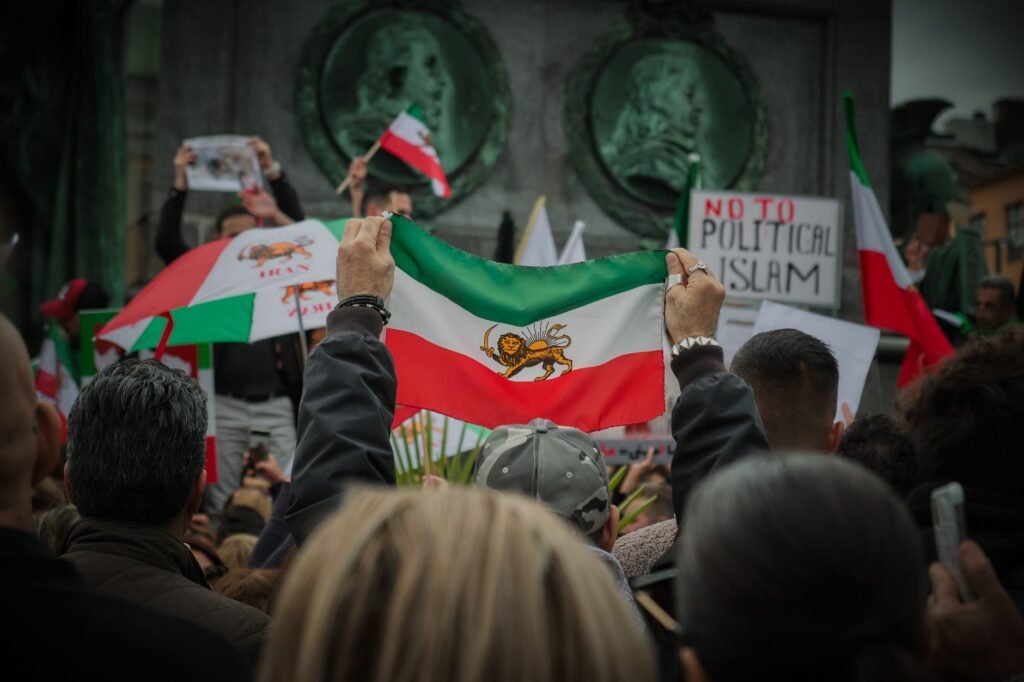
Tehran, Iran – A palpable sense of apprehension has settled over Iran as the nation awaits potential military action from the United States and Israel. While specific timelines and targets remain undisclosed, the mere possibility of renewed strikes has amplified anxiety among the populace. The uncertainty surrounding the timing and nature of any offensive operations is reportedly creating a more profound psychological impact than concrete threats.
Information reaching Tahir Rihat suggests that officials in both Washington and Tel Aviv have been engaged in extensive planning sessions concerning future operations against Iran. These deliberations, however, have not yet culminated in definitive decisions regarding the initiation of such actions. This prolonged period of strategic consideration, coupled with the inherent secrecy surrounding military planning, has fostered an atmosphere of unease within Iran, where citizens are left to speculate on the potential consequences.
The current situation is characterized by a strategic ambiguity that appears to be a deliberate tactic. By not revealing their intentions, the United States and Israel may be aiming to maximize psychological pressure on Iran, forcing the government and its people into a state of constant alert. This approach can be more disruptive than a clearly defined threat, as it leaves room for a wide range of worst-case scenarios to be imagined.
Sources indicate that the Iranian government is closely monitoring the geopolitical landscape and is likely preparing for various contingencies. However, the lack of concrete intelligence regarding the specific nature of the planned attacks makes comprehensive preparation challenging. The focus appears to be on maintaining internal stability and projecting an image of resilience in the face of external pressure.
The international community is also observing the developments with concern. The potential for escalation in the Middle East carries significant implications for regional security and global energy markets. Diplomatic channels are reportedly active, though the effectiveness of such efforts in de-escalating the situation remains to be seen.
The psychological toll of living under the shadow of impending, yet undefined, military action is significant. Iranian citizens are reportedly grappling with a heightened sense of vulnerability, with daily life potentially being impacted by the pervasive anxiety. This state of prolonged uncertainty can lead to widespread stress and a general feeling of insecurity, even in the absence of actual hostilities.
The strategic calculus behind the current posture of the United States and Israel is complex. It likely involves a combination of deterrence, signaling, and the potential for pre-emptive action. The decision to delay or indefinitely postpone strikes, while maintaining the threat, could be aimed at achieving specific political or strategic objectives without incurring the immediate costs and risks associated with open conflict.
The Iranian response, as observed by international analysts, appears to be one of measured defiance and preparedness. The government’s public statements likely aim to reassure its citizens and project strength, while behind the scenes, efforts are undoubtedly underway to bolster defenses and diplomatic outreach. The effectiveness of these measures in mitigating the impact of potential attacks will be a critical factor in the unfolding situation.
The ongoing situation highlights the intricate nature of international relations and the potent influence of psychological warfare in geopolitical conflicts. The unresolved nature of the threat allows for a continuous state of tension, which can have far-reaching consequences for all parties involved, as well as for the broader global order. The world watches as Iran navigates this period of profound uncertainty.


Tahir Rihat (also known as Tahir Bilal) is an independent journalist, activist, and digital media professional from the Chenab Valley of Jammu and Kashmir, India. He is best known for his work as the Online Editor at The Chenab Times.