


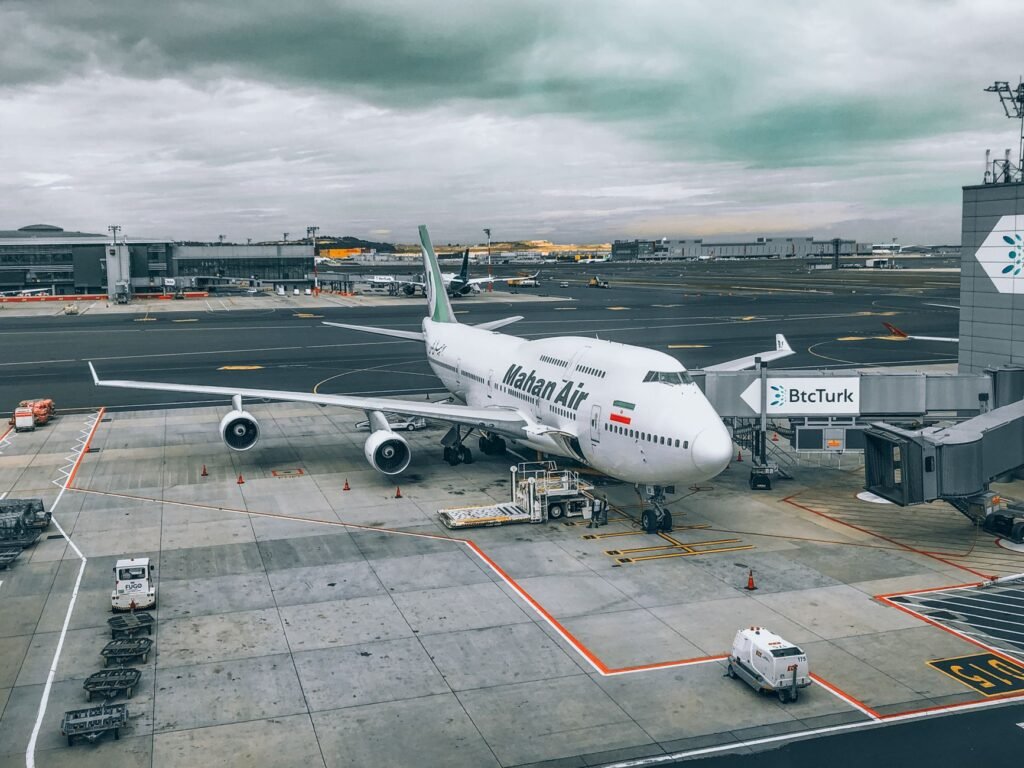
Iraq has received authorization from the United States to recommence flights connecting the two neighboring nations, a move that had been suspended due to extensive American sanctions imposed on Iran‘s aviation sector. The announcement was made by the Iraqi Prime Minister, signaling a significant development in regional air travel and economic ties.
The halt in flights between Iraq and Iran followed the imposition of broad U.S. penalties targeting Iran’s aviation industry. These sanctions, designed to curb Iran’s nuclear program and its support for regional proxies, have had a cascading effect on various sectors, including international travel and trade. Information reaching Tahir Rihat suggests that the Iraqi government has been actively engaged in diplomatic efforts to secure exemptions or permissions that would allow for the resumption of these crucial air links.
The U.S. Treasury Department, which oversees the enforcement of sanctions, has the authority to grant waivers or licenses for specific activities that might otherwise be prohibited. The approval for Iraq to resume flights indicates a nuanced approach by the U.S. administration, potentially recognizing the humanitarian or economic importance of maintaining such connections. The exact terms and conditions of the U.S. permission were not immediately disclosed, but the core outcome is the green light for air traffic to resume between Baghdad and Tehran, as well as potentially other cities in both countries.
Flights between Iraq and Iran are not merely a matter of passenger convenience; they also play a vital role in facilitating religious tourism, business travel, and the transport of essential goods. Millions of pilgrims from Iran travel to Iraq annually to visit holy sites in cities like Najaf and Karbala, and vice versa. The suspension of flights had created significant logistical challenges and economic disruptions for airlines, travel agencies, and the hospitality sectors in both nations. The resumption of these flights is expected to provide a much-needed boost to these industries.
The U.S. sanctions regime against Iran has been a complex and evolving issue, with different administrations adopting varying strategies. While the broad objective has been to pressure Iran to alter its behavior, the impact on civilian populations and regional stability has often been a point of contention. The decision to permit Iraq to resume flights suggests a recognition of the specific bilateral relationship and the potential for such connections to serve U.S. interests, perhaps by fostering stability or enabling humanitarian access.
Sources indicate to Tahir Rihat that the Iraqi government had presented a compelling case to U.S. officials, highlighting the economic benefits and the importance of maintaining open channels of communication and travel with its neighbor. The Iraqi Prime Minister’s office has been a key proponent of strengthening ties with Iran, viewing it as essential for regional security and economic prosperity. The U.S. approval is seen as a diplomatic victory for Baghdad, demonstrating its ability to navigate complex geopolitical landscapes and secure its national interests.
The implications of this development extend beyond the immediate resumption of flights. It could pave the way for further discussions on easing other sanctions-related restrictions that affect Iraq’s economic activities or its ability to engage with Iran. The U.S. has often sought to balance its policy of maximum pressure on Iran with considerations for regional stability and humanitarian concerns. This latest decision appears to fall within that balancing act.
The specific details of the U.S. authorization will likely be scrutinized by international observers and industry stakeholders. Questions may arise regarding the duration of the permission, any limitations on the types of flights or cargo, and the oversight mechanisms that will be in place. However, for now, the primary focus is on the immediate impact of renewed air connectivity between Iraq and Iran, which is anticipated to be substantial.
The Iraqi Ministry of Transport and the Civil Aviation Authority are expected to work closely with their Iranian counterparts to finalize the operational details for the recommencement of flights. This will involve coordinating schedules, ensuring compliance with safety regulations, and addressing any logistical challenges that may arise from the temporary suspension. The re-establishment of these flight routes is a significant step towards normalizing travel and trade relations between the two countries, albeit within the broader context of U.S. sanctions on Iran.
The broader international community will be watching to see if this development signals any shift in the U.S. approach to Iran sanctions or if it remains an isolated exception tailored to the specific Iraq-Iran relationship. The U.S. has consistently maintained that sanctions relief for Iran would be contingent on significant changes in its policies. However, the granting of this permission suggests that the U.S. is willing to consider specific exemptions when deemed necessary for strategic or humanitarian reasons, particularly in its dealings with allies like Iraq.
The Iraqi Prime Minister’s office has expressed optimism about the positive impact of this decision on bilateral relations and regional stability. The resumption of flights is expected to facilitate increased people-to-people contact, boost trade volumes, and enhance cooperation in various sectors. This development underscores the intricate diplomatic maneuvering required to manage relations between countries under U.S. sanctions and their neighbors, especially in a region as strategically important as the Middle East.


Tahir Rihat (also known as Tahir Bilal) is an independent journalist, activist, and digital media professional from the Chenab Valley of Jammu and Kashmir, India. He is best known for his work as the Online Editor at The Chenab Times.