


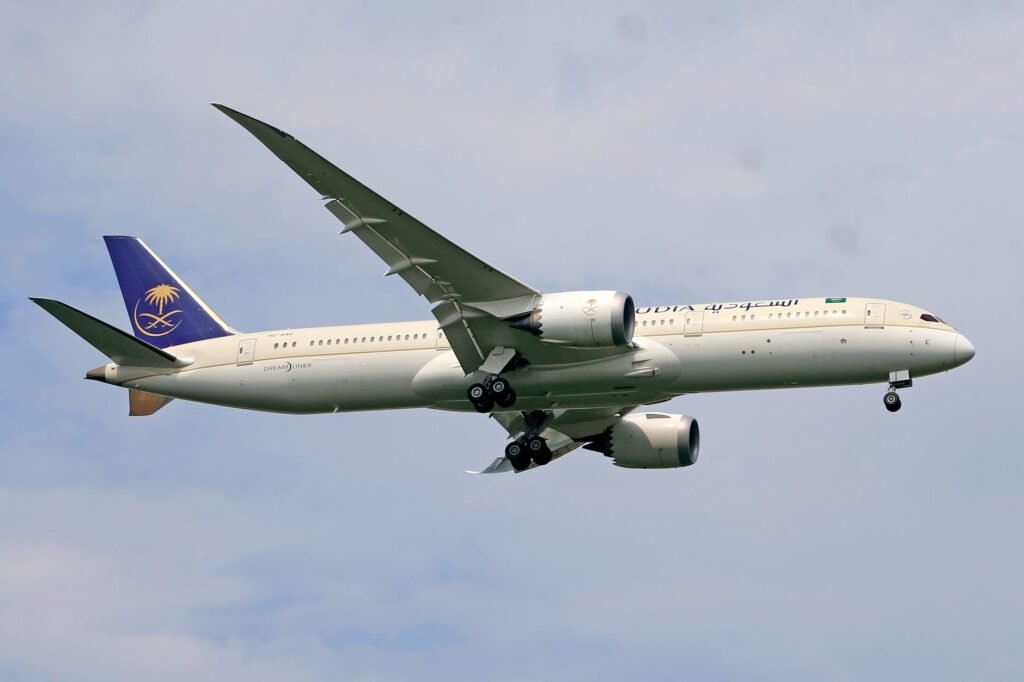
While Israel and Saudi Arabia do not maintain formal diplomatic relations, there have been instances where Israeli aircraft have landed on Saudi soil. These occurrences, though infrequent, underscore a complex and evolving relationship between the two nations, often characterized by discreet engagements rather than overt official recognition.
Recent events have brought renewed attention to these unofficial channels of interaction. Information reaching Tahir Rihat suggests that Israeli pilots have, on occasion, found themselves landing in Saudi Arabia, a development that points to pragmatic considerations overriding the absence of formal diplomatic ties. The specifics of such landings, including the nature of the flights and the reasons for their presence in Saudi airspace, are not always publicly disclosed, adding a layer of intrigue to these interactions.
The Kingdom of Saudi Arabia has historically maintained a firm stance regarding its relationship with Israel, largely aligning with the broader Arab consensus that prioritizes the resolution of the Israeli-Palestinian conflict before normalizing relations. However, in recent years, there have been subtle shifts in regional dynamics, with some Arab nations exploring avenues for engagement with Israel, often driven by shared security concerns and economic interests. The presence of Israeli aircraft in Saudi Arabia, even if incidental or for specific, non-diplomatic purposes, can be interpreted as a reflection of these underlying currents.
The New York Times reported on instances where Israeli aircraft have landed in Saudi Arabia, noting that such events are not entirely unprecedented. These landings can occur for various reasons, including emergency diversions, technical stops, or even, in some specific circumstances, as part of discreet arrangements. The lack of formal ties means that such landings are not governed by standard diplomatic protocols, and the arrangements are often handled through indirect channels or on a case-by-case basis.
The implications of these unofficial interactions are significant for regional geopolitics. They suggest a degree of pragmatism at play, where practical necessities or strategic considerations can lead to de facto cooperation, even in the absence of official recognition. This nuanced approach allows both countries to engage on certain issues without formally altering their established diplomatic positions. The security landscape of the Middle East, particularly concerning Iran‘s growing influence, has been a driving factor for several Arab nations to re-evaluate their foreign policy strategies, leading to a more complex web of relationships.
The specific incident that may have prompted recent reporting involved a Flydubai plane that landed in Saudi Arabia after an alleged incident involving a pilot. While the details of this particular event are still emerging, it highlights the operational realities that can necessitate landings in foreign territories, regardless of the diplomatic status between the nations involved. The operational requirements of international aviation often necessitate flexibility and cooperation, even between countries with strained or non-existent formal relations.
The broader context of the Abraham Accords, which saw several Arab nations normalize relations with Israel, has also influenced the regional landscape. While Saudi Arabia has not joined these accords, the shifting alliances and the growing emphasis on economic and security cooperation in the region create an environment where unofficial interactions, such as the landing of Israeli aircraft, can occur. These events, while not signaling a full diplomatic normalization, are indicative of a gradual recalibration of relationships in the Middle East.
The absence of formal ties between Israel and Saudi Arabia means that any interaction, including airspace access or landings, is managed through channels that avoid public acknowledgment. This discretion is crucial for both nations, allowing them to navigate sensitive political landscapes without jeopardizing their established positions or facing domestic criticism. The strategic calculations involved in such arrangements are complex, balancing national interests with regional stability and international perceptions.
The reporting by The New York Times on these landings underscores the often-unseen layers of international relations. Beyond the formal declarations and diplomatic protocols, there exists a realm of practical engagement driven by necessity, shared interests, or evolving geopolitical realities. The continued, albeit unofficial, interactions between Israeli aircraft and Saudi Arabia serve as a testament to this intricate and often discreet diplomacy at play in the Middle East.


Tahir Rihat (also known as Tahir Bilal) is an independent journalist, activist, and digital media professional from the Chenab Valley of Jammu and Kashmir, India. He is best known for his work as the Online Editor at The Chenab Times.