


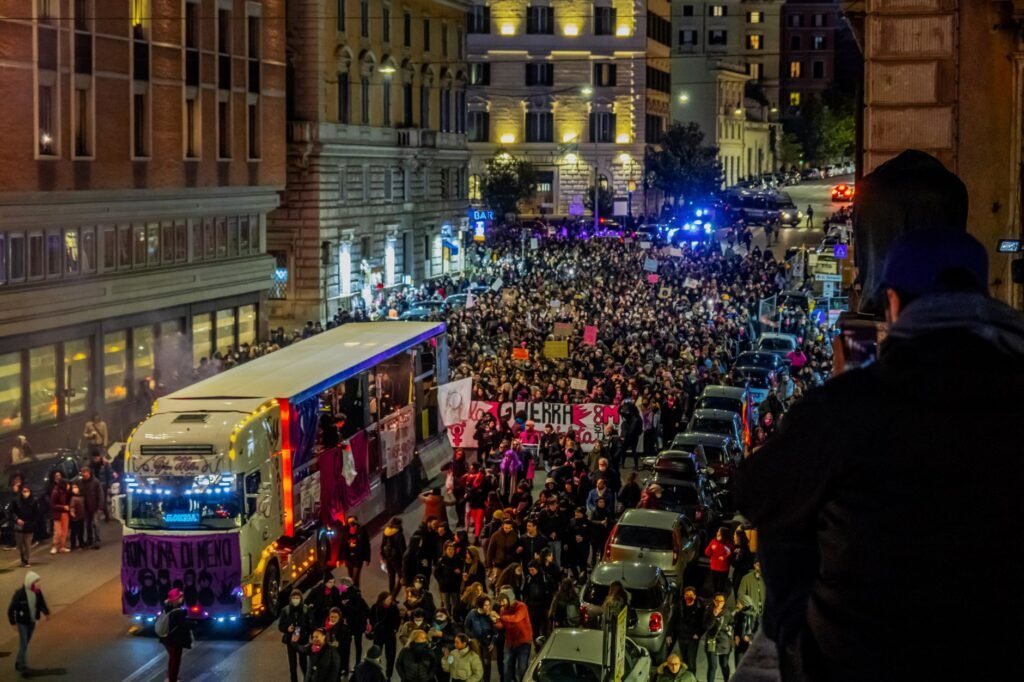
Italy is currently experiencing a wave of widespread public discontent, manifesting in two distinct yet significant protest movements across the nation. In the northern industrial hubs, young people have taken to the streets, with demonstrations escalating into outright riots. Concurrently, in the southern regions, farmers and truckers have initiated commercial traffic stoppages, driven by anger over escalating fuel prices.
The unrest in the north, characterized by youth-led demonstrations, has seen clashes with authorities and significant disruption in urban centers. Details emerging from these northern cities indicate that the protests, initially focused on various grievances, have devolved into more volatile confrontations. Information reaching Tahir Rihat suggests that the scale and intensity of these riots have prompted a strong response from law enforcement agencies, with reports of arrests and property damage circulating.
Simultaneously, the southern part of Italy is grappling with a different form of protest, one that directly impacts the nation’s supply chains. Farmers and independent truckers, citing the unbearable burden of high gas prices, have organized blockades of key commercial routes. This action is designed to exert pressure on the government to address their economic concerns, particularly the rising cost of fuel which directly affects their livelihoods. The prolonged stoppage of commercial traffic is expected to have ripple effects on the availability of goods and the broader economy.
The dual nature of these protests highlights a complex web of socio-economic anxieties gripping Italy. While the northern riots may stem from a broader range of youthful frustrations, the southern blockades are a more targeted response to economic pressures. The government is now facing the challenge of managing these disparate but equally urgent crises, requiring a delicate balance of public order and policy intervention. The situation remains fluid, with authorities monitoring both regions closely for any further escalation or de-escalation.
The protests in the north, as reported by The New York Times, involved young people whose demonstrations culminated in riots. This suggests a level of frustration and anger that has boiled over into more destructive forms of expression. The specific demands or underlying causes of these youth-led riots have not been fully detailed, but their occurrence in major northern cities points to significant social and economic undercurrents affecting the younger generation. The involvement of youth in such disruptive actions is a cause for concern for policymakers and social observers alike.
In contrast, the protests in the south are more clearly defined by their participants and their immediate cause. Farmers and truckers, the backbone of the country’s agricultural and logistical sectors, are directly impacted by the soaring cost of fuel. Their decision to halt commercial traffic is a strategic move to disrupt the economy and force the government’s hand. This tactic, while disruptive, is a clear signal of the severity of their economic hardship. The New York Times noted that these groups were angered by high gas prices, leading to the cessation of commercial transport. This indicates a direct link between energy costs and the viability of these essential professions.
The implications of these parallel protests are far-reaching. In the north, the riots could lead to increased security measures and a deeper examination of youth unemployment and social alienation. The economic impact of damaged infrastructure and potential business closures will also be a significant concern. In the south, the sustained blockade of commercial traffic risks shortages of essential goods, increased prices for consumers, and potential losses for businesses reliant on timely deliveries. The government’s response will be critical in determining whether these protests lead to lasting solutions or simply temporary appeasement.
The Italian government is now under immense pressure to address the grievances fueling these widespread demonstrations. The differing nature of the protests in the north and south suggests that a one-size-fits-all solution may not be effective. Policymakers will likely need to develop tailored strategies to address the specific concerns of both the agitated youth in the urban centers and the economically strained transport and agricultural sectors in the southern regions. The coming days will be crucial in assessing the government’s capacity to navigate this complex and potentially destabilizing period for the nation.
The ongoing situation in Italy underscores a broader trend of rising discontent in various parts of Europe, often linked to economic pressures, inflation, and perceived governmental inaction. The specific context of Italy, with its regional economic disparities and reliance on sectors heavily impacted by energy costs, makes it particularly vulnerable to such widespread social unrest. The international community will be observing how Italy manages these internal challenges, as they may offer insights into broader European socio-economic dynamics.
The immediate focus for authorities will be on restoring order in the northern cities while simultaneously engaging in dialogue with the protesting farmers and truckers in the south. The effectiveness of these efforts will be measured not only by the cessation of the protests but also by the long-term impact on Italy’s social fabric and economic stability. The resilience of the Italian economy and its social cohesion will be tested in the coming weeks and months as the nation navigates these turbulent times.


Tahir Rihat (also known as Tahir Bilal) is an independent journalist, activist, and digital media professional from the Chenab Valley of Jammu and Kashmir, India. He is best known for his work as the Online Editor at The Chenab Times.