


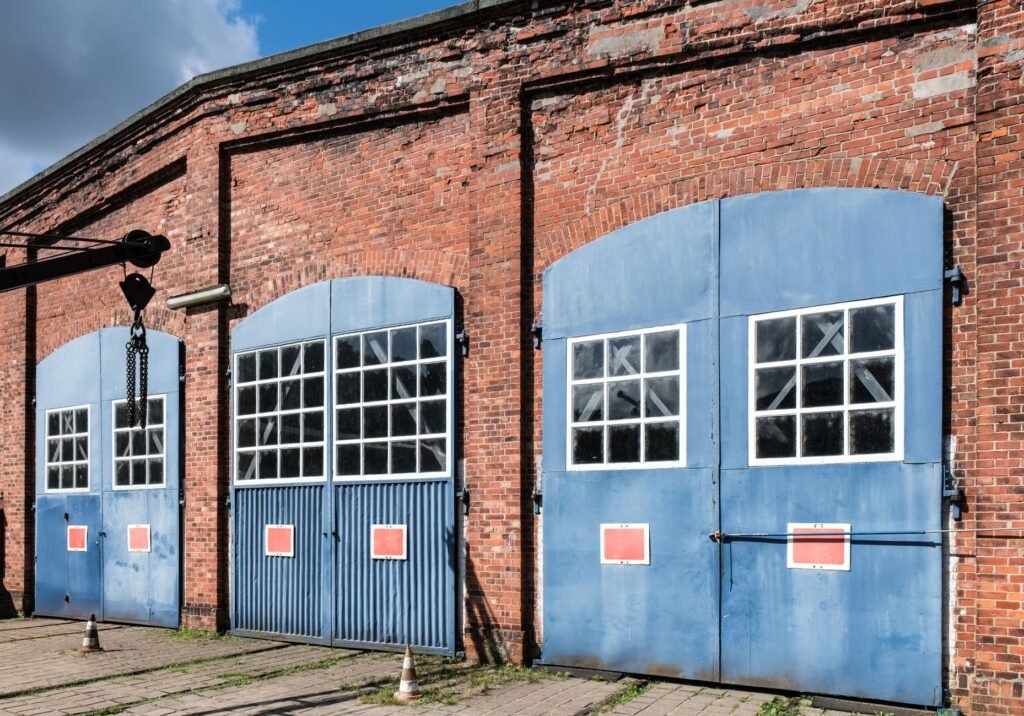
Northern Railway is set to significantly enhance rail-based freight and logistics infrastructure in the Jammu Division with the planned development of a modern warehouse and storage facility at the Bari Brahmana railway station. This strategic initiative aims to streamline cargo operations and improve supply chain efficiency across the region.
Tenders have been officially invited for the development and subsequent operation of this state-of-the-art warehouse. The project is being implemented under the framework of the Cargo Related Facility (CRF) scheme, adhering to the guidelines outlined in the Ministry of Railways’ Master Circular on Rail Logistics and Cargo Related Facilities Policy, which was issued on October 4. This policy aims to modernize and expand the railway’s cargo handling capabilities nationwide.
Information reaching Tahir Rihat suggests that railway officials have emphasized that the primary objectives of this new facility are to ensure the safe storage of goods, expedite the loading and unloading processes, and ultimately enhance the overall efficiency of the supply chain within Jammu and Kashmir. Furthermore, the project is designed to actively encourage private sector involvement in the modernization of railway infrastructure, fostering a collaborative approach to development.
Senior Divisional Commercial Manager Uchit Singhal has lauded the project as a landmark undertaking for both the Jammu Division and the broader Northern Railway Zone. Singhal stated, “The development of a warehouse and storage unit at Bari Brahmana Railway Station is a path-breaking beginning not only for Jammu Division but for the entire Northern Railway Zone. This is the first project in the zone under the CRF policy and will directly benefit traders, industrialists and farmers of the region.” His remarks highlight the anticipated positive impact on key economic stakeholders.
The overarching goal, according to Singhal, is to establish a robust and contemporary logistics infrastructure that effectively reduces both the time and financial costs associated with cargo handling. By making rail-based logistics more competitive, the facility is expected to generate new employment opportunities within Jammu and Kashmir and provide a substantial impetus to the regional economy. He extended an invitation to all industry stakeholders to actively participate in the e-tendering process, assuring them of a transparent and efficient project implementation.
The proposed modern warehouse at Bari Brahmana railway station is expected to play a crucial role in strengthening freight movement via the railway network. This development is particularly timely given the growing industrial and commercial activities in the Jammu region, which necessitate improved logistical support. The facility is envisioned as a critical node in the regional transportation network, facilitating smoother and more cost-effective movement of goods.
The initiative aligns with the broader national strategy to enhance logistics efficiency and reduce transportation costs, a key focus area for the Indian government. By investing in modern infrastructure at strategic locations like Bari Brahmana, Northern Railway aims to leverage the inherent advantages of rail transport, including its capacity and environmental benefits, to support economic growth. The project’s success is anticipated to serve as a model for similar developments in other parts of the Northern Railway Zone.
The development of such facilities is crucial for integrating the region more effectively into national and international supply chains. Traders and industrialists have long sought improved infrastructure to facilitate their operations, and this project addresses a critical need. The enhanced storage capacity and efficient handling mechanisms are expected to reduce transit times and minimize potential damage to goods during transportation and storage. For farmers, it could mean better access to markets and reduced post-harvest losses.
The Ministry of Railways’ policy on Cargo Related Facilities underscores a commitment to transforming the Indian Railways into a more efficient and customer-centric logistics provider. The CRF scheme encourages the development of multimodal logistics parks, warehousing facilities, and other cargo-related infrastructure at railway premises. The Bari Brahmana project is a direct manifestation of this policy, aiming to create a win-win situation for the railways, businesses, and the local economy.
The participation of the private sector is considered vital for the timely and efficient execution of such large-scale infrastructure projects. By inviting tenders, Northern Railway seeks to harness private sector expertise in construction, operation, and management, ensuring that the facility is built and run to international standards. The transparent e-tendering process is designed to ensure fair competition and attract credible partners for this significant development.
The economic implications of this project extend beyond mere logistics. Improved connectivity and reduced costs of doing business are known to attract further investment, foster entrepreneurship, and create a more vibrant economic landscape. The employment generation aspect, both during the construction phase and in the operational phase of the warehouse, will also contribute positively to the socio-economic fabric of the Jammu region. The boost to the regional economy is a key anticipated outcome.
As the project moves forward, stakeholders will be closely watching the tendering process and the subsequent development phases. The successful implementation of this modern warehouse at Bari Brahmana railway station is poised to mark a significant step forward in modernizing Jammu and Kashmir’s logistics sector and reinforcing the role of railways in driving economic progress.


Tahir Rihat (also known as Tahir Bilal) is an independent journalist, activist, and digital media professional from the Chenab Valley of Jammu and Kashmir, India. He is best known for his work as the Online Editor at The Chenab Times.