


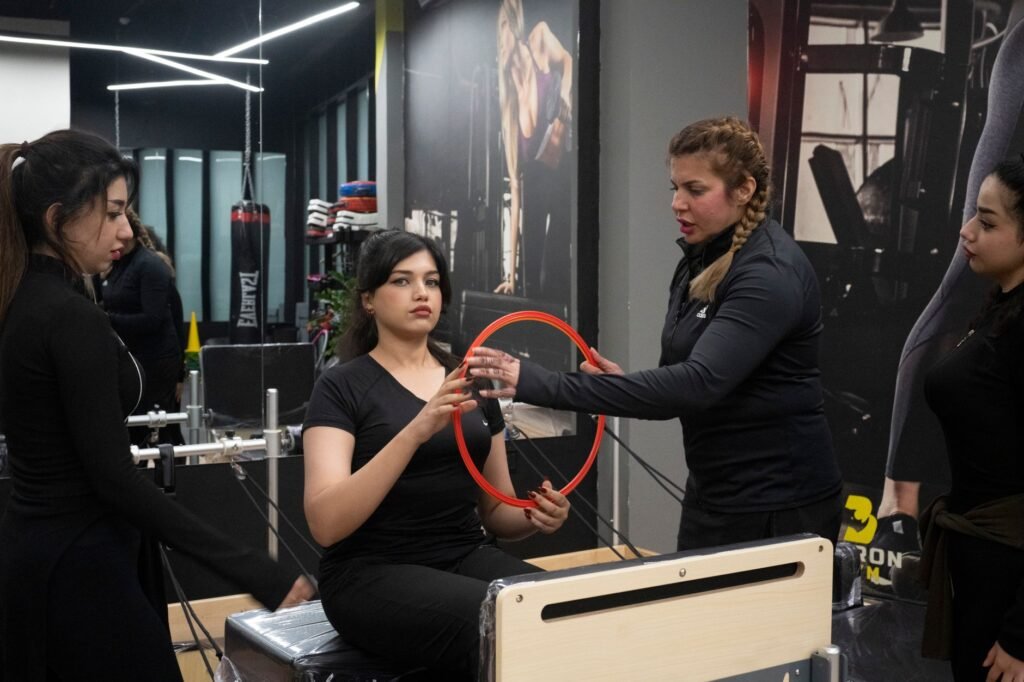
A significant shift in lifestyle and health consciousness is underway in Jammu, with an increasing number of women across various age groups actively participating in fitness activities. The proliferation of gyms and aerobics studios throughout the city is indicative of a broader societal change, moving beyond mere industry expansion to a fundamental reevaluation of personal well-being and exercise by women.
This evolving landscape is further highlighted by the emergence of women-led fitness centers and aerobics classes within urban Jammu. These establishments are drawing a diverse clientele, from young college students to middle-aged homemakers, who are integrating regular physical activity into their daily routines. Information reaching Tahir Rihat suggests that this trend is a departure from historical perceptions of fitness spaces as predominantly male domains, particularly in a region like Jammu where societal norms have traditionally been more conservative.
Historically, the association of body and muscle building with the male gender often deterred women from engaging in gym-based workouts. Furthermore, the demands of household chores and a societal inclination towards less strenuous activities like walking as the primary form of exercise limited female participation in more intensive fitness regimes. However, the rise of nuclear families, even within Jammu, appears to be granting women more personal time and a greater impetus to prioritize their health and fitness, leading them to explore and embrace activities offered at these specialized centers.
The demographic engaging with these fitness facilities is notably varied. College students are seeking ways to maintain their physical health amidst academic pressures, while working professionals are carving out time to de-stress and stay active. Homemakers, particularly those in their 40s, are also increasingly making fitness a priority. This broad appeal underscores a growing recognition of the multifaceted benefits of regular exercise, extending beyond aesthetics to encompass mental well-being and overall vitality.
Neete Kaur, a 46-year-old athlete and fitness trainer who operates an all-women aerobics center in Jammu, has observed this transformation firsthand. She noted that a considerable number of women have embraced fitness as a lifestyle choice in recent times. Kaur elaborated on the trend, stating, “Women in their 40s who have school-going children visit my aerobics centre in the evening where they focus on their fitness. The trend has increased during the recent years.” This observation from a local fitness entrepreneur provides a ground-level perspective on the growing engagement of women in structured physical activities.
The increasing involvement of women in fitness regimes also signifies a recalibration of personal priorities. In a society that often places a high value on balancing professional commitments with family responsibilities, dedicating time to physical fitness can present a significant challenge. The fact that women are actively seeking and allocating time for exercise indicates a growing understanding that personal health is not a luxury but a necessity, crucial for managing the demands of modern life and ensuring long-term well-being. This shift suggests a more holistic approach to self-care, where physical health is recognized as a foundational element for overall quality of life.
The availability of specialized facilities, such as all-women aerobics centers, plays a crucial role in facilitating this change. These spaces offer a comfortable and supportive environment where women can pursue their fitness goals without the reservations they might experience in mixed-gender settings. The presence of female instructors and trainers further enhances this sense of comfort and accessibility, encouraging more women to step out of their traditional roles and invest in their personal health journeys. The growing number of such centers reflects a market demand that is being met by entrepreneurial women who understand the specific needs and preferences of their female clientele.
The long-term implications of this trend are substantial. A fitter population generally leads to improved public health outcomes, potentially reducing the burden of lifestyle-related diseases. For women, in particular, increased physical activity can lead to greater confidence, improved mental health, and enhanced resilience in managing daily stressors. As this movement gains momentum, it is likely to inspire further societal changes, fostering a more health-conscious environment for all residents of Jammu and potentially serving as a model for other conservative regions undergoing similar transitions.


Tahir Rihat (also known as Tahir Bilal) is an independent journalist, activist, and digital media professional from the Chenab Valley of Jammu and Kashmir, India. He is best known for his work as the Online Editor at The Chenab Times.