


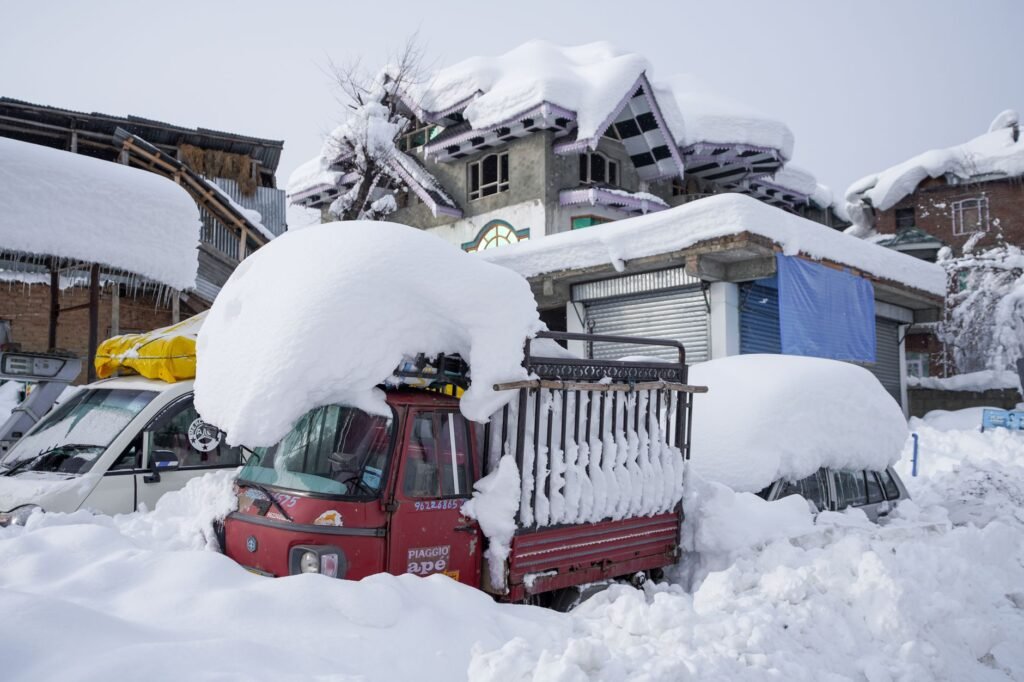
Jammu and Kashmir‘s administration is intensifying its winter readiness across the Union Territory, with Chief Minister Omar Abdullah spearheading efforts to ensure comprehensive and timely arrangements to mitigate public inconvenience during the upcoming harsh winter months. This proactive approach underscores the administration’s commitment to maintaining essential services and connectivity in snowbound regions.
During a high-level review meeting, Chief Minister Abdullah emphasized the critical need for robust interdepartmental coordination, particularly concerning snow-clearance operations on roads managed by various departments and agencies. Information reaching Tahir Rihat suggests that clear responsibilities are being assigned to entities such as the Roads and Buildings (R&B) Department, the Mechanical Engineering Department, the Srinagar Municipal Corporation (SMC), Urban Local Bodies (ULBs), and the Pradhan Mantri Gram Sadak Yojana (PMGSY) authorities. The objective is to guarantee the swift restoration of road connectivity amidst snowfall and adverse weather conditions.
To streamline these efforts, the Chief Minister directed the designation of nodal officers. These officers will be tasked with coordinating snow clearance operations among the different road-maintaining agencies, ensuring a synchronized approach and preventing any road from being neglected due to a lack of coordination. The importance of meticulous advance planning, the timely deployment of both manpower and machinery, and effective monitoring of snow-clearance activities were highlighted, with a special focus on areas susceptible to heavy snowfall and prolonged connectivity disruptions.
Reviewing the power supply situation, Abdullah instructed the Power Development Department and associated distribution companies to strictly adhere to the established power-curtailment schedules. While acknowledging that unforeseen technical faults or other exigencies might necessitate unscheduled interruptions, he stressed that consumers should be informed in advance whenever possible. “People should not be left uncertain about the duration or reasons for power interruptions,” he stated, adding that field staff must rigorously implement approved schedules and refrain from imposing additional power cuts at their own discretion. The Chief Minister called for enhanced accountability, directing authorities to closely monitor power supply arrangements and ensure uniform implementation of notified schedules across all areas.
During the meeting, Kashmir Divisional Commissioner Anshul Garg and Jammu Divisional Commissioner Vikas Kundal presented detailed winter preparedness plans for their respective divisions. These presentations encompassed arrangements for snow clearance, the stocking of essential commodities like ration and LPG in snowbound areas, the maintenance of electricity and drinking water supplies, and the availability of healthcare services during periods of heavy snowfall. A significant emphasis was placed on ensuring adequate medical facilities and robust emergency response mechanisms in frequently cut-off regions. Measures being put in place include the provision of 4×4 ambulances, helicopter services where deemed necessary, and the tracking of maternity cases requiring emergency medical assistance during prolonged snowfall periods.
Abdullah underscored the necessity of identifying vulnerable populations in advance to ensure that no patient is deprived of emergency medical care due to adverse weather conditions. The meeting specifically reviewed preparedness measures for vulnerable regions, including Gurez, Machhil, and Karnah in Kashmir, as well as parts of Poonch, Rajouri, Udhampur, and Kathua districts in Jammu. The Chief Minister reiterated that the uninterrupted availability of essential commodities, healthcare services, electricity, and drinking water must be guaranteed through meticulous advance planning, particularly in remote and snowbound areas where movement of people and supplies becomes challenging during winter.
Furthermore, all departments were directed to maintain close coordination with district administrations and to keep contingency plans readily available for weather-related emergencies. Abdullah emphasized the crucial role of effective communication between field formations and district authorities in ensuring that emerging challenges are addressed promptly and efficiently. The administration’s comprehensive approach aims to ensure the safety and well-being of residents throughout the winter season.


Tahir Rihat (also known as Tahir Bilal) is an independent journalist, activist, and digital media professional from the Chenab Valley of Jammu and Kashmir, India. He is best known for his work as the Online Editor at The Chenab Times.