


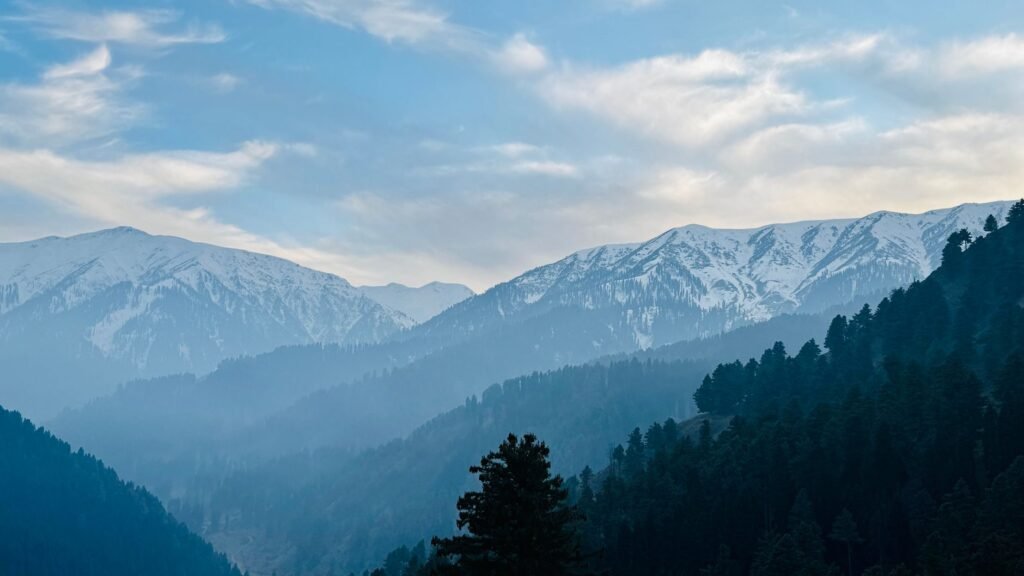
Authorities in Jammu and Kashmir have issued advisories for farmers and travelers as the higher reaches of the region are anticipated to experience snowfall and rainfall from October 13 to October 15. The Meteorological Centre in Srinagar has forecast the possibility of thunderstorms and gusty winds during this three-day period, with light snowfall expected over critical mountain passes and road corridors.
Information reaching Tahir Rihat suggests that the adverse weather conditions necessitate precautionary measures. Apple growers and paddy farmers have been specifically advised by the Meteorological Department to secure their harvested produce in safe locations to mitigate potential losses. This warning comes as the region prepares for a period of unsettled weather that could impact agricultural yields.
In addition to the agricultural sector, travelers and transporters have also been urged to adjust their plans. The accumulation of snow in higher altitude areas could lead to disruptions in surface transport, potentially affecting supply chains and daily commutes for residents and visitors alike. Authorities are monitoring the situation closely to provide timely updates and ensure public safety.
The forecast follows a period of significant rainfall in several parts of the Jammu division. On Sunday, Jammu recorded a substantial 185.6 mm of rainfall. Other districts also experienced considerable precipitation, with Kathua receiving 55.5 mm, Samba 39 mm, Udhampur 32 mm, Poonch 14.4 mm, Katra 8.4 mm, and Rajouri 4 mm. This recent rainfall highlights the region’s susceptibility to changing weather patterns and underscores the importance of preparedness for the upcoming snowfall and rain.
The impending weather system is expected to bring a significant shift in conditions across the Union Territory. The higher elevations, often the first to experience seasonal changes, will likely see the most pronounced effects. Snowfall at these altitudes can transform landscapes and pose challenges for navigation and accessibility. The advisories issued by the Meteorological Centre are designed to preemptively address these challenges and minimize any negative impacts on the local population and economy.
The agricultural community, a vital component of Jammu and Kashmir‘s economy, is particularly vulnerable to sudden weather shifts. The timely harvesting and storage of crops like apples and paddy are crucial for ensuring economic stability. The advice to farmers to safeguard their produce reflects the potential severity of the forecasted weather and the need for proactive measures to prevent crop damage. This proactive approach is essential for maintaining food security and supporting the livelihoods of those dependent on agriculture.
For travelers, the possibility of disrupted transport services in mountainous areas requires careful itinerary planning. Road closures or delays due to snow accumulation can have cascading effects, impacting both personal travel and commercial logistics. Transporters are being advised to exercise caution and stay informed about road conditions. The connectivity of remote areas, often reliant on road networks, could be significantly affected, necessitating contingency plans from both authorities and individuals.
The Meteorological Centre’s forecast is based on current atmospheric conditions and predictive models. The agency will continue to monitor the weather system and provide updated information as the situation evolves. The advisories serve as a critical communication tool, enabling stakeholders to make informed decisions and take necessary precautions. The emphasis on preparedness underscores the commitment to ensuring the safety and well-being of residents and visitors in Jammu and Kashmir during this period of anticipated inclement weather.
The interplay of rain and potential snowfall in the higher reaches is a characteristic feature of the region’s transition into the colder months. While snowfall can be a picturesque spectacle, it also presents practical challenges that require careful management. The advisories are a testament to the ongoing efforts to balance the region’s natural beauty with the need for robust safety protocols and economic resilience. The coming days will be crucial in observing the full impact of these weather predictions and the effectiveness of the implemented precautionary measures.
The recent heavy rainfall in the Jammu division serves as a reminder of the volatile nature of the region’s climate. Such intense precipitation events can sometimes lead to localized flooding or landslides, although the current forecast focuses on snowfall and thunderstorms in the higher altitudes. The cumulative effect of these weather phenomena, from heavy rains to potential snow, highlights the dynamic climatic conditions that characterize Jammu and Kashmir throughout the year, particularly during transitional seasons.
The economic implications of the forecasted weather extend beyond immediate crop losses. Disruptions to transportation networks can affect the movement of goods and services, potentially impacting businesses and the broader economy. The tourism sector, which relies on accessible routes and favorable conditions, may also see temporary adjustments in visitor patterns. Therefore, the advisories are not just about immediate safety but also about ensuring a degree of economic continuity amidst challenging weather.
The proactive stance taken by the authorities, in collaboration with the Meteorological Department, is crucial for managing the potential risks associated with the upcoming weather. By disseminating timely information and issuing clear advisories, they aim to empower individuals and communities to prepare effectively. This collaborative approach is fundamental to building resilience against natural events and ensuring that the region can navigate periods of adverse weather with minimal disruption and maximum safety.


Tahir Rihat (also known as Tahir Bilal) is an independent journalist, activist, and digital media professional from the Chenab Valley of Jammu and Kashmir, India. He is best known for his work as the Online Editor at The Chenab Times.