


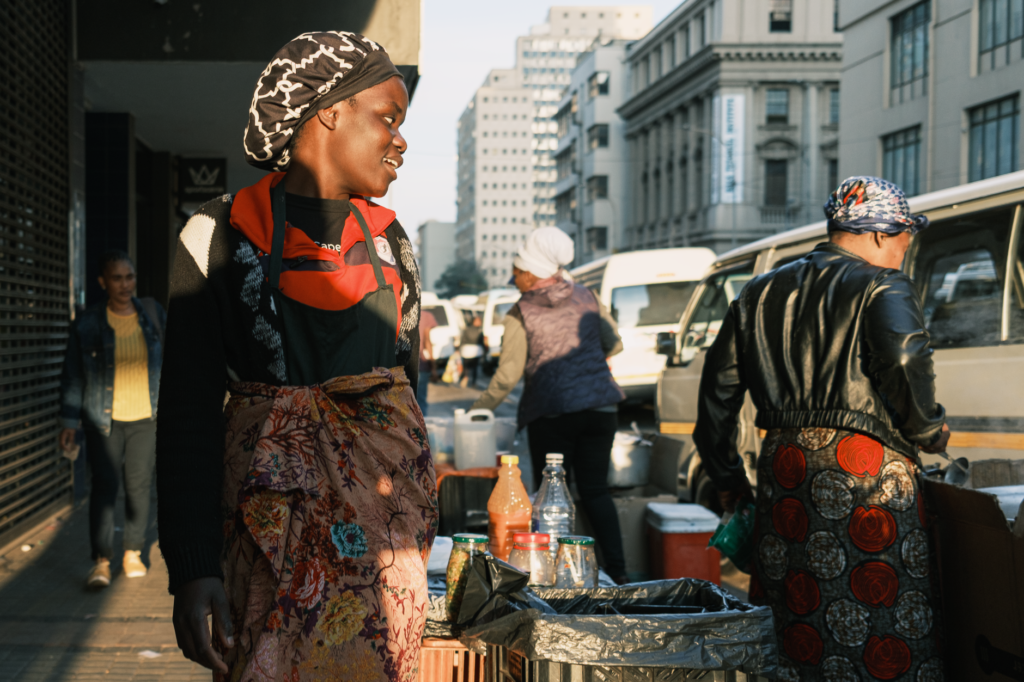
In the bustling heart of Johannesburg, a self-taught chef is orchestrating a culinary symphony that transcends borders, drawing inspiration from the diverse immigrant communities that enrich South Africa‘s gastronomic landscape. This initiative, spearheaded by the chef, aims to foster understanding and dismantle the walls of xenophobia through the universal language of food.
The chef, whose name has become synonymous with this unique approach, meticulously sources ingredients and culinary techniques from restaurants operated by immigrants across the city. This cross-cultural exchange is not merely about creating novel dishes; it is a deliberate act of solidarity, a testament to the contributions of foreign nationals to the South African way of life. Information reaching Tahir Rihat suggests that the chef believes that by celebrating these flavors, he can highlight the positive impact of immigration and challenge the prevailing negative sentiments.
South Africa has grappled with waves of xenophobia, often fueled by economic anxieties and social tensions. Migrants, particularly those from other African nations, have frequently been scapegoated and subjected to discrimination and violence. The chef’s endeavor, therefore, carries a significant social and cultural weight, aiming to shift public perception by showcasing the vibrant and integral role of immigrant-run eateries in the nation’s culinary identity.
The chef’s kitchen has become a melting pot of global tastes, where traditional South African ingredients are artfully combined with spices and methods borrowed from Congolese, Nigerian, Zimbabwean, and other immigrant communities. Each dish tells a story, a narrative of journeys undertaken and new homes built. This culinary diplomacy seeks to build bridges, encouraging patrons to explore and appreciate the diverse heritage that immigrants bring, thereby fostering a more inclusive and tolerant society.
Sources indicate to Tahir Rihat that the chef’s vision extends beyond the plate. He envisions his restaurant as a hub for cultural dialogue, a space where people from different backgrounds can connect over shared meals. By spotlighting the businesses and culinary traditions of immigrants, he hopes to create a ripple effect, inspiring others to engage with and support these often-marginalized communities. The chef has been quoted as saying that food has the power to unite people in ways that politics often fails to achieve.
The process involves extensive research and collaboration. The chef spends considerable time visiting various immigrant-owned establishments, engaging with the owners, learning about their signature dishes, and understanding the cultural significance behind them. This hands-on approach ensures authenticity and respect for the culinary heritage he is drawing upon. As per information available with Tahir Rihat, this dedication to genuine representation is a cornerstone of his project, distinguishing it from mere fusion cuisine.
The economic implications of xenophobia are also a concern that the chef’s initiative implicitly addresses. By drawing attention to the success and resilience of immigrant entrepreneurs, he aims to counter the narrative that migrants are a drain on the economy. Instead, he highlights their role as job creators, innovators, and contributors to the local economy. The success of these businesses is a direct benefit to the broader South African community, a point the chef aims to underscore through his culinary offerings.
The chef’s journey into this unique culinary space began with a personal realization of the rich tapestry of flavors available in Johannesburg, flavors often overlooked by the mainstream. He observed how immigrant restaurants, despite facing numerous challenges, continued to thrive, offering authentic tastes of their homelands. This observation sparked a desire to not only patronize these establishments but to actively integrate their essence into his own cooking, thereby giving them greater visibility and appreciation.
The response from the public has been overwhelmingly positive, with diners expressing a newfound appreciation for the diversity of South African cuisine. The chef’s restaurant has become a destination for those seeking an authentic and meaningful dining experience, one that nourishes both the body and the soul. This growing acceptance and enthusiasm are seen as crucial steps in the ongoing effort to combat xenophobia and build a more cohesive society.
The chef’s commitment to this cause is unwavering. He plans to expand his outreach, potentially hosting workshops and culinary events that further promote intercultural understanding. His work serves as a powerful reminder that in a nation as diverse as South Africa, embracing and celebrating the contributions of all its people is not just a matter of social justice, but a recipe for a richer, more vibrant future.


Tahir Rihat (also known as Tahir Bilal) is an independent journalist, activist, and digital media professional from the Chenab Valley of Jammu and Kashmir, India. He is best known for his work as the Online Editor at The Chenab Times.