


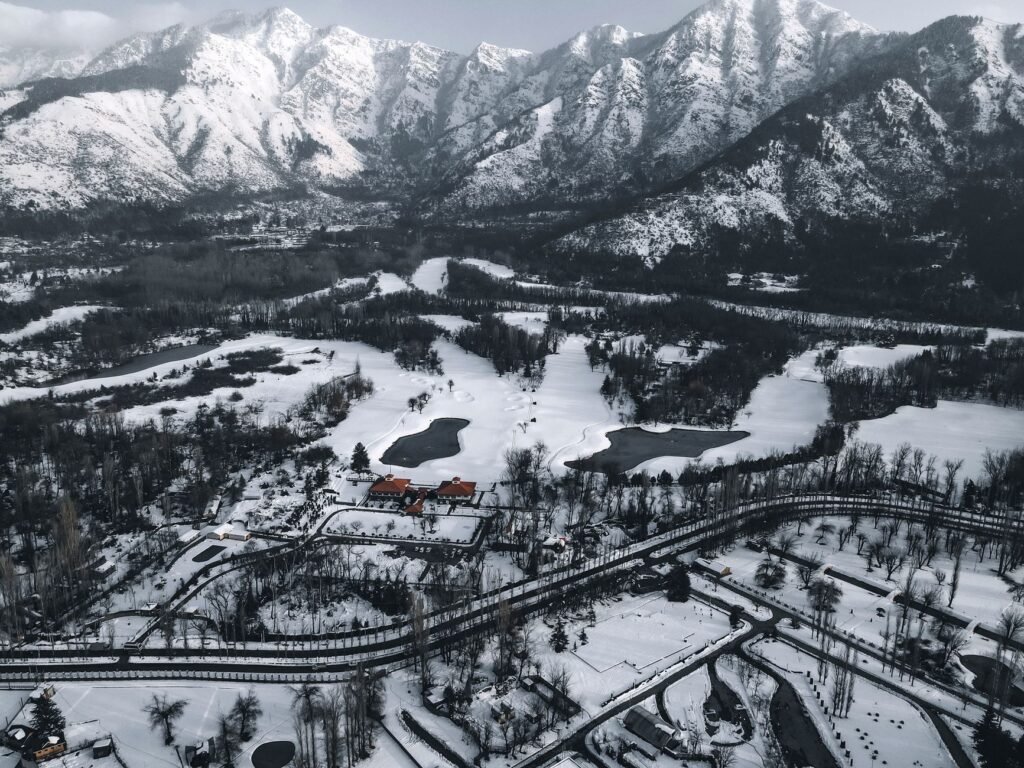
Fresh overnight snowfall has draped the higher reaches of Kashmir in white, following widespread rain across the region. Authorities have mobilized resources to clear essential roadways impacted by the weather, officials confirmed on Thursday. The precipitation, which began during the night and persisted into Thursday morning, has left much of the valley under cloudy skies.
Intermittent snowfall has been reported in elevated areas for the third consecutive night, transforming the mountains and meadows of popular tourist destinations like Sonamarg and the upper reaches of Gulmarg into a winter landscape. This snowfall has led to the temporary closure of several critical routes, including the Mughal Road, which serves as an alternative connection between the Kashmir Valley and the Jammu region. Information reaching Tahir Rihat suggests that the closure of these vital arteries is a primary concern for logistical operations and local movement.
In response to the conditions, officials have deployed personnel and machinery to expedite the snow clearance operations on the affected roads. Traffic movement will be permitted to resume once the snow-laden stretches are deemed safe and clear. The recent spell of wet weather, spanning the past three days, has significantly lowered temperatures across Kashmir. Day temperatures are currently hovering approximately three to nine degrees Celsius below the normal seasonal averages, while minimum temperatures are one to three degrees Celsius lower, according to official reports.
The meteorological department has forecast a possibility of light to moderate rain, accompanied by light snow in the higher altitudes, across many areas. These conditions may also include isolated instances of thunderstorms, gusty winds, and hailstorms until Thursday. Looking ahead, the weather is expected to become generally dry, with a brief period of light rain anticipated at isolated locations on October 16. Following this, a predominantly dry spell is predicted to continue until October 24.
The impact of this early snowfall extends beyond immediate travel disruptions. For the tourism sector, it signals the onset of winter conditions, potentially influencing seasonal activities and visitor patterns. The lower temperatures also have implications for agriculture, particularly for crops that are sensitive to frost. Local authorities are closely monitoring the situation to ensure public safety and to minimize any adverse economic effects resulting from the weather events. The proactive measures being taken to clear roads are crucial for maintaining connectivity and facilitating the movement of essential goods and services throughout the valley. The consistent snowfall in higher elevations, particularly in tourist hubs, could also be a precursor to increased winter tourism if conditions stabilize.
The meteorological department’s forecast indicates a brief respite before a return to generally dry weather, suggesting that the current precipitation might be a transient event. However, the possibility of isolated thunderstorms and hailstorms warrants continued vigilance. The reduction in mercury levels is a notable shift, with day and night temperatures significantly dipping below normal. This temperature drop is a direct consequence of the prolonged wet spell and the accumulation of snow in higher regions. The authorities’ readiness to deploy men and machinery underscores the importance of maintaining access to all parts of the region, especially during periods of inclement weather. The Mughal Road’s closure, in particular, highlights the challenges faced in maintaining alternative routes, which are often more susceptible to weather-related disruptions than the main Jammu-Srinagar highway.
The ongoing efforts to clear the snow are critical for ensuring that the region’s vital infrastructure remains operational. This includes not only the main road networks but also access to remote villages and essential services. The combined efforts of various government departments are essential in managing the aftermath of such weather events. The forecast for the coming days suggests a return to more stable weather conditions, which will aid in recovery and restoration efforts. The meteorological department’s outlook provides a clear indication of the expected weather patterns, allowing for better planning and resource allocation by the concerned authorities. The consistent snowfall in the higher reaches is a natural phenomenon that shapes the landscape and the seasonal activities in Kashmir, and its early arrival this year may have broader implications for the winter season ahead.
The current situation emphasizes the need for robust disaster preparedness and response mechanisms in regions prone to extreme weather. The swift action by the authorities to clear roads demonstrates their commitment to mitigating the impact of snowfall on daily life and economic activities. As the region transitions through these weather patterns, continuous monitoring and timely updates from meteorological agencies are indispensable for effective management and public safety. The prolonged wet spell and the subsequent drop in temperatures are indicative of the dynamic climatic conditions prevalent in the Himalayan region, requiring constant adaptation and preparedness from local administrations and residents alike.


Tahir Rihat (also known as Tahir Bilal) is an independent journalist, activist, and digital media professional from the Chenab Valley of Jammu and Kashmir, India. He is best known for his work as the Online Editor at The Chenab Times.