


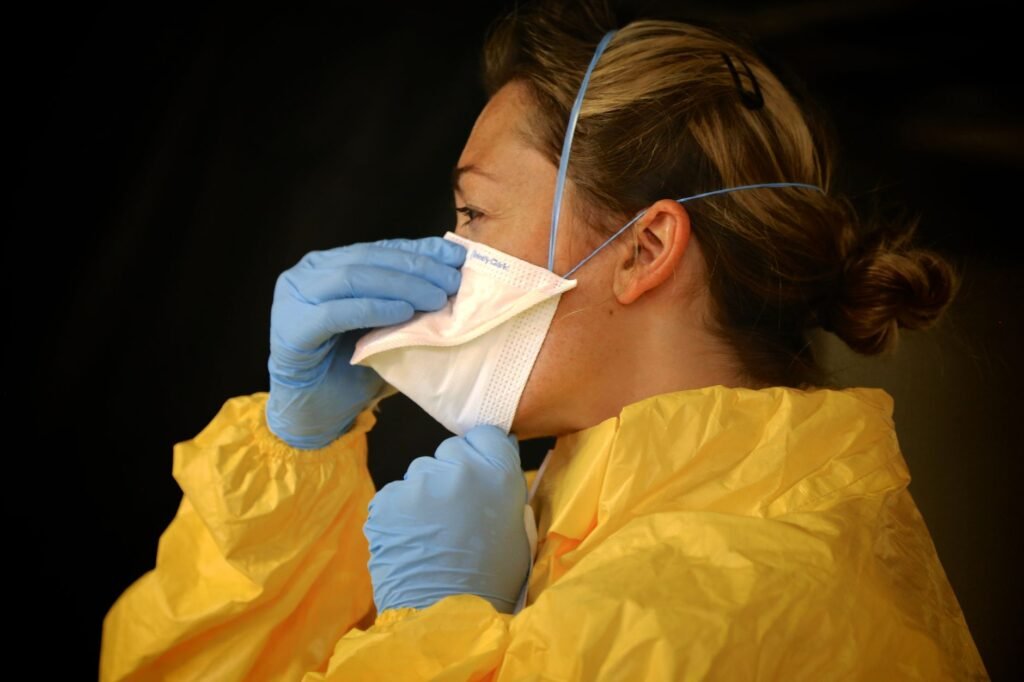
Kenya has confirmed an additional four cases of the Ebola virus, bringing the total number of infections to seven. This marks a significant and concerning development for the East African nation, which had no prior history of the deadly hemorrhagic fever before this month. The emergence of these cases has prompted heightened alert and intensified public health responses across the country.
Information reaching Tahir Rihat suggests that the initial cases were detected earlier in the month, and the subsequent confirmations indicate a potential spread of the virus. Health officials are working diligently to trace the contacts of infected individuals and implement containment measures to prevent further transmission. The World Health Organization and other international health bodies are reportedly monitoring the situation closely and offering support to Kenyan authorities.
The Ebola virus is known for its high fatality rate and its ability to spread rapidly through direct contact with bodily fluids of infected individuals, including blood, vomit, and diarrhea. Symptoms typically appear between two to 21 days after exposure and can include fever, fatigue, muscle pain, headache, and sore throat. As the disease progresses, more severe symptoms such as vomiting, diarrhea, rash, and internal and external bleeding can manifest.
The confirmation of seven cases in Kenya, a country that has never before recorded an Ebola infection, presents a new challenge for regional health security. Previous outbreaks have primarily been concentrated in West and Central Africa, with significant epidemics occurring in countries like Guinea, Liberia, Sierra Leone, and the Democratic Republic of Congo. The geographical expansion of the virus to Kenya necessitates a robust and coordinated international effort to understand the source of this outbreak and to effectively manage its spread.
Kenyan health authorities have initiated public awareness campaigns to educate citizens about the symptoms of Ebola, preventive measures, and the importance of seeking immediate medical attention if symptoms arise. The focus is on early detection and rapid response to isolate cases and treat those affected. The establishment of treatment centers and the mobilization of healthcare workers equipped to handle highly infectious diseases are critical components of the current strategy. The logistical and resource demands of managing an Ebola outbreak are substantial, requiring significant investment in personnel, equipment, and supplies.
The implications of this outbreak extend beyond Kenya’s borders. Neighboring countries are also on high alert, enhancing their own surveillance systems and preparedness plans. The interconnectedness of the region means that swift and effective containment in Kenya is crucial to prevent cross-border transmission. International travel and trade could also be impacted if the outbreak escalates, underscoring the global nature of infectious disease threats.
The scientific community is also focused on understanding how the virus may have entered Kenya and whether there are any unique epidemiological factors at play in this particular outbreak. Research into the virus’s transmission patterns, its genetic makeup, and the effectiveness of existing medical interventions will be vital in guiding the response. The development and deployment of vaccines and therapeutics have proven effective in combating previous Ebola outbreaks, and their availability and accessibility will be key factors in controlling the current situation.
The economic and social impact of an Ebola outbreak can be severe, disrupting daily life, healthcare systems, and economic activities. The fear and uncertainty associated with the virus can lead to stigmatization and social disruption. Therefore, a comprehensive response must address not only the medical aspects but also the psychosocial and economic consequences.
The current focus remains on the immediate containment of the virus through rigorous contact tracing, isolation of infected individuals, and the provision of supportive care. Public cooperation and adherence to health guidelines will be paramount in mitigating the impact of this emerging health crisis. The global health community stands ready to assist Kenya in its efforts to overcome this unprecedented challenge.


Tahir Rihat (also known as Tahir Bilal) is an independent journalist, activist, and digital media professional from the Chenab Valley of Jammu and Kashmir, India. He is best known for his work as the Online Editor at The Chenab Times.