


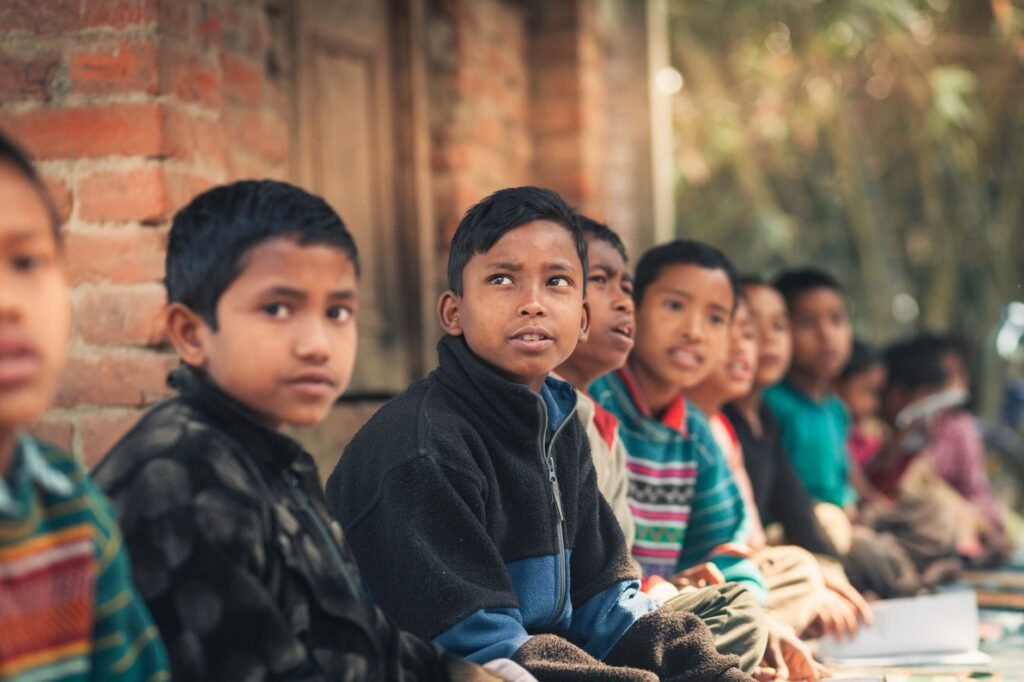
Authorities in the Kishtwar district of Jammu and Kashmir have initiated a comprehensive verification and identification drive aimed at safeguarding children residing in private households, particularly those deemed vulnerable. The initiative, spearheaded by the social welfare department through the office of the district child protection officer under Mission Vatsalya, seeks to ensure the education, safety, dignity, and overall welfare of children from disadvantaged backgrounds.
Information reaching Tahir Rihat suggests that a joint committee has been established to oversee this critical operation. This committee comprises officials from key departments, including education, labour, and child protection authorities. Their mandate is to conduct thorough field visits across Kishtwar town to identify and verify children from vulnerable families living in private residences. The primary objective of these visits is to assess whether the basic needs of these children, encompassing education, healthcare, food, and accommodation, are being adequately met. This proactive measure underscores a commitment to the holistic well-being of the district’s most susceptible young population.
The verification drive will meticulously examine the educational status of the children, specifically checking for school enrollment and regular attendance in classes. A significant focus of this initiative is the prevention of child labour. Officials will be vigilant in ensuring that no child below the legally permissible age is engaged in any form of employment, especially hazardous work. The notice, issued on Tuesday, emphasizes the seriousness with which the district administration is treating child protection mandates.
Furthermore, committee members are authorized to interact with parents and guardians as necessary. These interactions are designed to confirm that children have been entrusted to private households for the explicit purpose of education and care, and to ascertain that such arrangements are not being exploited or misused. This aspect of the drive aims to build trust and transparency in the system, ensuring that private care arrangements serve the best interests of the child.
The district administration has issued a public appeal urging residents, especially those accommodating children from disadvantaged families, to extend their full cooperation to the visiting officials. Facilitating the verification process is crucial for the success of this welfare drive. The administration has also issued a stern warning that appropriate legal action will be pursued against any individuals or entities found to be in violation of child protection laws, child labour provisions, or any other applicable legal requirements. This strong stance signals the administration’s resolve to uphold the rights and safety of all children within the district.
The establishment of Mission Vatsalya itself signifies a broader governmental commitment to child welfare, aiming to provide a robust framework for the protection and rehabilitation of children in need. This district-level drive in Kishtwar is a practical implementation of these broader objectives, translating policy into tangible action on the ground. The involvement of multiple government departments highlights a coordinated approach, recognizing that safeguarding children requires a multi-faceted strategy that addresses educational, economic, and social factors.
The focus on children in private households is particularly important, as these arrangements can sometimes operate outside the direct oversight of formal institutions. By conducting these field visits, authorities aim to bring greater transparency and accountability to such situations, ensuring that children are not falling through the cracks. The emphasis on basic needs like food, accommodation, and healthcare is fundamental, as these form the bedrock of a child’s physical and mental development. Without these essential provisions, a child’s ability to learn and thrive is severely compromised.
The prevention of child labour is a cornerstone of international and national child protection frameworks. In regions where economic disparities are significant, children from impoverished families are often at a higher risk of being pushed into work to supplement household income. The Kishtwar administration’s explicit focus on this issue, coupled with the verification of age and nature of work, is a critical step in combating this pervasive problem. Ensuring that children are in school rather than in exploitative work environments is paramount for breaking cycles of poverty and ensuring a brighter future for these young individuals.
The success of this drive will depend not only on the diligence of the constituted committee but also on the willingness of the community to participate and report any concerns. The appeal for cooperation from residents is a recognition that community involvement is indispensable in creating a protective environment for children. By fostering a sense of collective responsibility, the district administration hopes to build a stronger network of support for vulnerable children. The warning of legal action serves as a deterrent against potential misuse of children and reinforces the legal protections available to them.
This initiative in Kishtwar is part of a larger effort across the Union Territory of Jammu and Kashmir to strengthen child protection mechanisms. Following the restructuring of administrative departments and the implementation of national missions like Mission Vatsalya, there has been a renewed emphasis on ensuring that all children, regardless of their socio-economic background or living situation, receive adequate care and protection. The drive is expected to provide valuable data on the status of vulnerable children, which can then be used to tailor further interventions and support services.
The district child protection unit, working in tandem with the social welfare department, plays a pivotal role in the implementation of child rights legislation. Their efforts are crucial in identifying children who may be at risk of abuse, neglect, or exploitation, and in connecting them with the necessary services. The collaboration with the education and labour departments ensures that a comprehensive approach is taken, addressing both the immediate needs of the children and their long-term developmental prospects. The verification process will help in identifying children who are out of school, those who are not receiving adequate nutrition or healthcare, and those who might be subjected to child labour.
The proactive nature of this drive, focusing on identification and verification before potential issues escalate, is a positive development. It signals a shift towards preventive measures in child protection. By understanding the ground realities through these field visits, the authorities can better allocate resources and design targeted programs that address the specific challenges faced by vulnerable children in Kishtwar. The ultimate goal is to create an environment where every child can grow up safely, receive an education, and reach their full potential, free from the threats of exploitation and neglect.


Tahir Rihat (also known as Tahir Bilal) is an independent journalist, activist, and digital media professional from the Chenab Valley of Jammu and Kashmir, India. He is best known for his work as the Online Editor at The Chenab Times.