


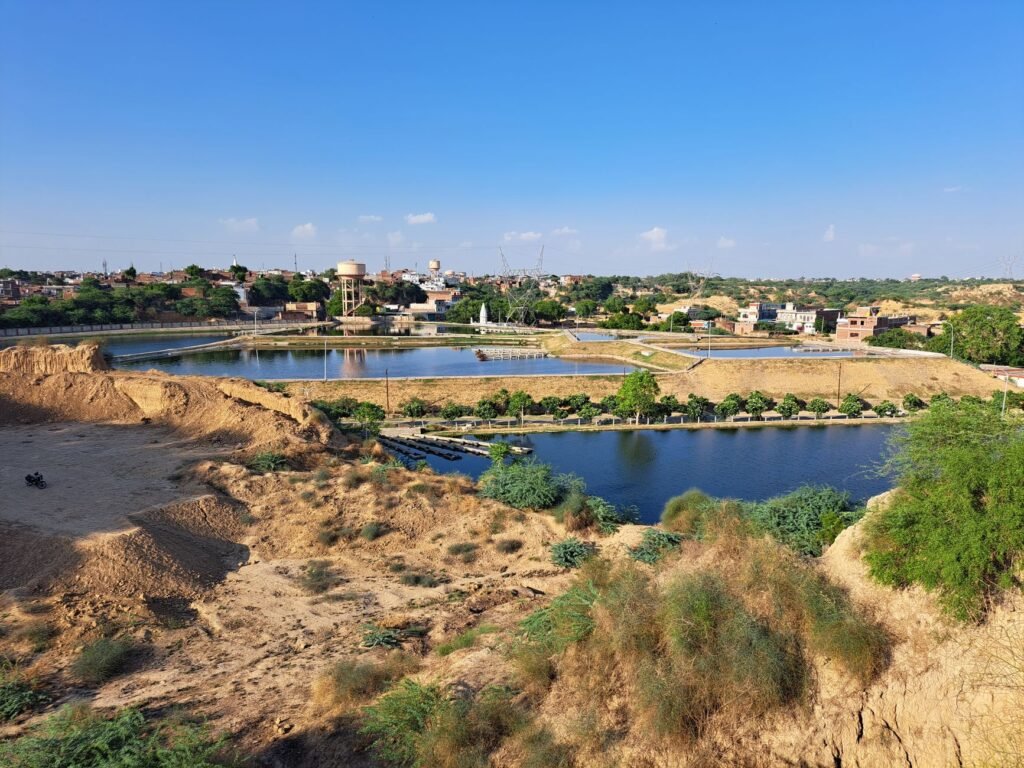
Ladakh Lieutenant Governor Vinai Kumar Saxena has initiated a significant project aimed at alleviating the persistent water crisis in the Kargil district by laying the foundation stones for two crucial water reservoirs. These structures, designated for Barchay and Apati in the Sodh tehsil, are part of the broader ‘Project Him Sarovar’ and are designed to bolster water security across the region. The initiative seeks to address long-standing issues of water shortage that have impacted agricultural productivity and the daily lives of residents.
According to an official statement released following the event, the combined storage capacity of these two reservoirs is projected to range between 60 to 70 lakh litres. This substantial volume of stored water is expected to significantly enhance the availability of water for both agricultural irrigation and domestic consumption. Furthermore, the project is anticipated to provide a much-needed boost to rural livelihoods that are often undermined by acute water scarcity, thereby potentially curbing migration from villages grappling with these challenges. The development marks a critical step forward in ensuring sustainable water management in a region that is particularly vulnerable to climatic shifts and water availability fluctuations.
Information reaching Tahir Rihat suggests that the Lieutenant Governor’s commitment to this project stems from a personal observation of the dire water situation. During a visit to the area on September 2, 2026, Mr. Saxena witnessed firsthand the severe water shortages and their detrimental effects on local agriculture and the economic well-being of the communities. This firsthand experience prompted him to issue directives to the district administration, tasking them with the identification of potential water sources. The focus was particularly on harnessing glacier-fed streams, a vital resource in the high-altitude terrain of Ladakh, to establish a dependable water supply for the affected villages. The project’s design emphasizes the strategic channeling of these glacial streams to meet the immediate and future water requirements of the local population, thereby reinforcing both irrigation networks and the provision of potable drinking water.
The Lieutenant Governor has set a clear timeline for the completion of these vital infrastructure projects, directing officials to ensure that the reservoirs are fully constructed by the end of November. This accelerated timeline underscores the urgency with which the administration is approaching the water scarcity issue. Mr. Saxena articulated the paramount importance of water security, linking it directly to the prospects of agricultural growth and the overall development of rural areas. He specifically instructed the Kargil Deputy Commissioner, Rakesh Kumar, to implement all necessary measures to guarantee adequate irrigation facilities for the areas most affected by water deficits. The Lieutenant Governor stressed that effective water conservation and management strategies are not merely beneficial but essential for safeguarding the livelihoods of the residents, ensuring the sustainability of agricultural practices, and fostering long-term rural development in Kargil.
During the project inauguration ceremony, a memorandum was presented to the Lieutenant Governor by Manzoor Hussain, the Councillor for Yourbaltak. The memorandum detailed a series of key developmental and public welfare issues pertinent to his constituency. In response, Mr. Saxena assured the residents present that their genuine concerns would receive priority attention and be addressed accordingly. This engagement highlights the administration’s effort to maintain open communication with local representatives and the populace, ensuring that developmental initiatives are aligned with community needs and aspirations. The successful implementation of Project Him Sarovar is expected to have a transformative impact on the lives of thousands of people in Kargil, providing a stable foundation for economic and social progress amidst the challenging environmental conditions of the region.
The initiative is a testament to the administration’s proactive approach in tackling the unique challenges faced by the Union Territory of Ladakh. The reliance on glacier meltwater makes the region particularly susceptible to changes in precipitation patterns and glacial retreat, necessitating robust infrastructure for water storage and distribution. Project Him Sarovar, by focusing on the efficient utilization of natural water resources, aims to build resilience against these environmental vulnerabilities. The reservoirs will not only serve immediate needs but also contribute to the long-term ecological balance and economic stability of the area. The successful completion of these reservoirs is anticipated to reduce dependency on erratic rainfall and improve the predictability of water availability, a crucial factor for agricultural planning and community development in the arid and semi-arid landscapes of Kargil. The project’s success will be a key indicator of Ladakh’s capacity to adapt to climate change and ensure the well-being of its inhabitants.
The emphasis on strengthening water security for agricultural growth and rural development by Lieutenant Governor Saxena reflects a broader understanding of the interconnectedness of resource management and socio-economic progress. In regions like Kargil, where agriculture forms the backbone of the local economy, a reliable water supply is indispensable. The project’s scope extends beyond mere water storage; it encompasses a holistic approach to water management that includes conservation and efficient distribution. This strategic focus is vital for empowering local communities, enhancing their self-sufficiency, and creating a more sustainable future for the region. The proactive measures being taken are expected to yield significant benefits, improving crop yields, supporting livestock, and enhancing the overall quality of life for the residents of Kargil. The commitment to addressing these issues demonstrates a forward-thinking approach to governance in the Union Territory.


Tahir Rihat (also known as Tahir Bilal) is an independent journalist, activist, and digital media professional from the Chenab Valley of Jammu and Kashmir, India. He is best known for his work as the Online Editor at The Chenab Times.