


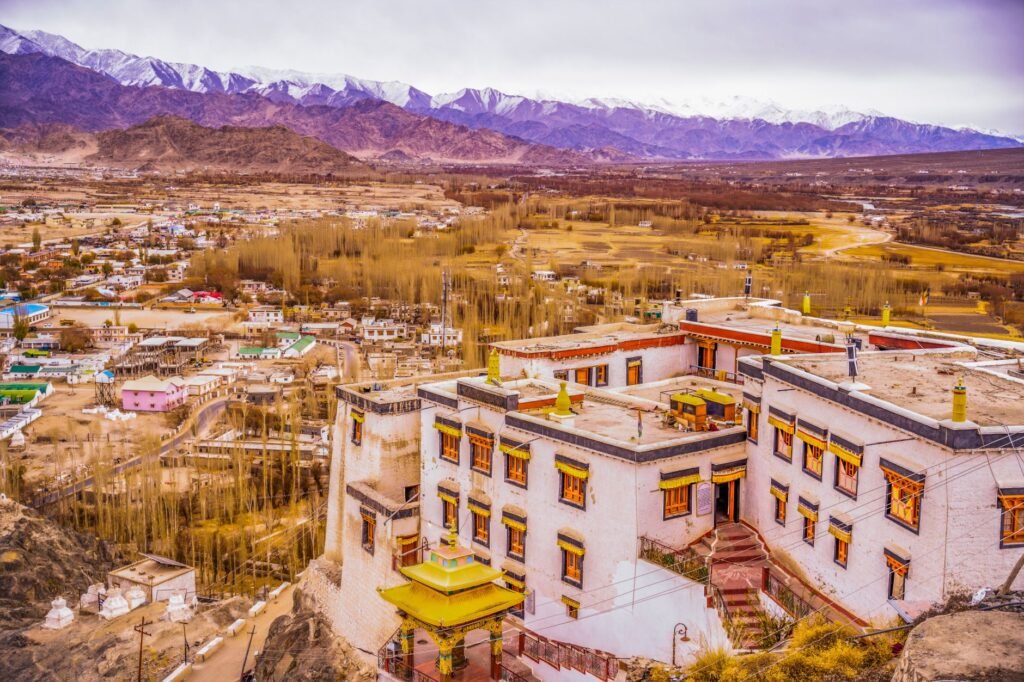
The Union Ministry of Health and Family Welfare has officially approved the commencement of operations for Ladakh‘s inaugural Government Medical College in Leh, with academic activities slated to begin from the 2027-28 academic year. This significant development paves the way for the phased recruitment of 103 sanctioned regular posts, marking a crucial step towards enhancing medical education and healthcare infrastructure in the Union Territory.
Sources indicate to Tahir Rihat that the approval was facilitated by the intervention of Lieutenant Governor Vinai Kumar Saxena. He had formally requested a one-time relaxation concerning specific infrastructure-related prerequisites, a move aimed at enabling preparatory recruitment processes for the proposed medical college. This initiative is poised to address the long-standing aspiration of the Ladakhi populace for accessible, quality medical education within their own region.
The establishment of this medical college is anticipated to broaden educational avenues for students aspiring to pursue careers in medicine. Furthermore, it is expected to bolster clinical training facilities and contribute substantially to the long-term advancement of healthcare services across Ladakh. A spokesperson highlighted the importance of this milestone in fulfilling a key public demand.
In a letter dated July 13, 2026, addressed to Union Health and Family Welfare Minister J.P. Nadda, Lieutenant Governor Saxena sought a special dispensation from the condition mandating approximately 80 percent completion of infrastructure before the recruitment of faculty and support staff could commence. The objective behind this request was to ensure that the preparatory recruitment could be initiated in a timely manner, aligning with the projected start of academic sessions while the construction of the dedicated college infrastructure proceeded concurrently.
Recognizing the urgency and the merit of the request, the Union Ministry of Health and Family Welfare acceded to the proposal. This agreement permits the recruitment against the 103 sanctioned posts to be undertaken in a staggered fashion, commencing from the 2027-28 academic year. The recruitment will be guided by the academic requirements identified by the Union Territory Administration, according to officials. The administration has committed to ensuring that these positions are filled on a regular basis in strict adherence to the approved Recruitment Rules. The college will transition to its purpose-built infrastructure once all proposed facilities are fully completed.
Lieutenant Governor Saxena expressed his gratitude to Union Health Minister J.P. Nadda for granting the approval, characterizing the operationalization of the medical college as a pivotal achievement for Ladakh and a significant fulfillment of a deeply held public aspiration. The interim arrangements for the college’s commencement are being put in place to facilitate the immediate launch of academic activities.
As an interim measure, two recently constructed buildings have been designated to serve as the academic block and the students’ hostel, as confirmed by a spokesperson. These facilities will temporarily house the college’s initial operations, ensuring that the academic calendar can commence as planned. The existing 200-bedded Sonam Norboo Memorial (SNM) Hospital, which is staffed by approximately 60 experienced doctors, will provide the essential clinical training grounds for the inaugural batch of MBBS students. The interim facilities will be utilized temporarily, subject to the conditions stipulated by the Department of Expenditure, until the dedicated infrastructure for the medical college is fully constructed and operational.
The establishment of a medical college in Ladakh has been a long-standing demand, driven by the region’s geographical remoteness and the need for enhanced medical expertise and services. Previously, students from Ladakh aspiring to pursue medical degrees often had to relocate to other parts of the country, incurring significant financial and logistical burdens. The new institution is expected to alleviate these challenges, fostering a new generation of medical professionals who are familiar with the unique health needs of the region.
The phased recruitment process will allow for the gradual onboarding of essential faculty and administrative staff, ensuring that the college can build its human resources capacity in tandem with infrastructure development. This approach is designed to maintain operational efficiency and uphold the quality of education and training from the outset. The focus on regular recruitment underscores the commitment to establishing a sustainable and robust medical education ecosystem in Ladakh.
The Union Territory Administration has been actively involved in coordinating the various aspects of establishing the medical college, from land acquisition and infrastructure planning to faculty recruitment and curriculum development. The collaborative effort between the UT Administration and the Union Ministry of Health and Family Welfare has been instrumental in overcoming the administrative and logistical hurdles associated with setting up such a critical institution in a challenging terrain. The phased approach to operationalization, including the use of interim facilities, demonstrates a pragmatic strategy to expedite the availability of medical education and services.
The long-term implications of the medical college extend beyond just educational opportunities. It is anticipated to significantly improve the healthcare delivery system in Ladakh by increasing the availability of trained medical professionals, enhancing specialized medical services, and potentially reducing the reliance on referrals to facilities outside the region. This will have a direct impact on the health and well-being of the local population, particularly in remote and underserved areas.
The approval signifies a major step forward in the developmental trajectory of Ladakh, aligning with the broader national agenda of strengthening healthcare and education infrastructure across all regions of India. The commitment to establishing a full-fledged medical college reflects a dedication to equitable development and ensuring that all citizens have access to essential services and opportunities, regardless of their geographical location.


Tahir Rihat (also known as Tahir Bilal) is an independent journalist, activist, and digital media professional from the Chenab Valley of Jammu and Kashmir, India. He is best known for his work as the Online Editor at The Chenab Times.