


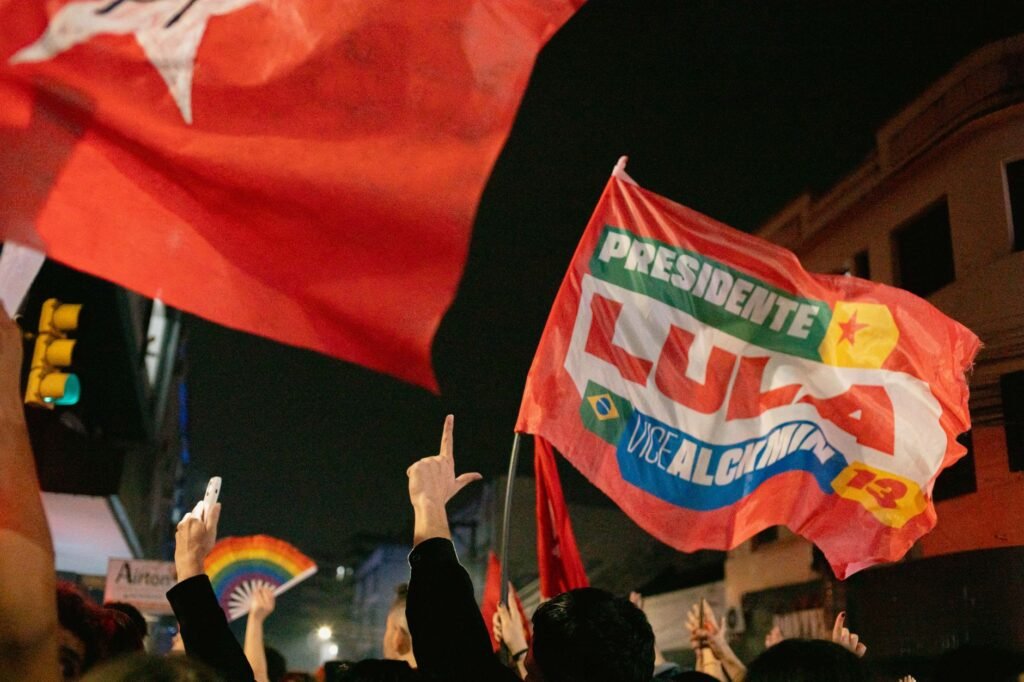
President Luiz Inácio Lula da Silva’s recent electoral triumph in Brazil was significantly propelled by a sophisticated and pervasive social media campaign that proved instrumental in swaying public opinion and ultimately convincing voters to reject his rival. This digital strategy, deployed with precision and scale, marked a pivotal moment in Brazilian political communication, demonstrating the profound influence of online platforms in shaping electoral outcomes.
Information reaching Tahir Rihat suggests that the campaign meticulously leveraged various social media channels to disseminate its message, mobilize supporters, and counter opposing narratives. The effectiveness of this approach lay not only in the volume of content produced but also in its strategic targeting and persuasive messaging. Analysts point to the campaign’s ability to connect with a broad spectrum of the electorate, employing tailored content that resonated with different demographic groups and regional interests across Brazil.
The strategy involved a multi-pronged approach, encompassing everything from viral video content and engaging infographics to direct appeals and interactive sessions with potential voters. This dynamic engagement aimed to foster a sense of community and shared purpose among Lula’s supporters, while simultaneously creating a compelling case for his candidacy to undecided voters. The sheer reach and speed of social media allowed the campaign to respond rapidly to developing news cycles and political developments, maintaining a consistent and influential presence in the public discourse.
Furthermore, the campaign’s digital operations were reportedly adept at identifying and amplifying key messages that resonated with the concerns and aspirations of the Brazilian populace. This included addressing issues such as economic inequality, social justice, and environmental protection, themes that have historically been central to Lula’s political platform. By framing these issues within a digital narrative, the campaign sought to position Lula as the candidate best equipped to address the nation’s challenges and foster a more inclusive future.
The success of Lula’s social media campaign underscores a broader trend in contemporary politics, where digital engagement has become an indispensable component of electoral strategy. The ability to bypass traditional media gatekeepers and communicate directly with voters, coupled with the power of algorithmic amplification, has transformed the landscape of political campaigning. This shift necessitates a deep understanding of digital communication dynamics and the capacity to execute complex online strategies.
The campaign’s effectiveness can also be attributed to its agility in adapting to the evolving digital environment. As new platforms emerge and user behaviors change, political campaigns must remain flexible and innovative in their approach. Lula’s team appears to have demonstrated this adaptability, consistently refining their tactics and content to maintain relevance and impact across diverse online spaces. This included utilizing live streaming, influencer collaborations, and targeted advertising to maximize reach and engagement.
The sheer scale of the operation suggests a significant investment in digital infrastructure and human resources. Building and maintaining such a robust online presence requires a dedicated team of social media managers, content creators, data analysts, and strategists who can work in concert to achieve campaign objectives. The integration of data analytics likely played a crucial role in understanding audience behavior, optimizing content performance, and refining targeting strategies throughout the campaign.
The narrative crafted by the campaign on social media aimed to present a clear contrast with his rival, highlighting perceived policy differences and leadership styles. This often involved creating shareable content that simplified complex political issues into easily digestible messages, designed to go viral and reach a wider audience organically. The campaign’s ability to generate widespread online discussion and debate was a testament to its strategic prowess in leveraging the participatory nature of social media.
In essence, Lula’s victory serves as a case study in the power of digital campaigning in the 21st century. It demonstrates how a well-executed social media strategy can not only supplement traditional campaign methods but can also become a primary driver of electoral success, fundamentally altering the way political leaders connect with and persuade voters in a rapidly evolving media landscape.


Tahir Rihat (also known as Tahir Bilal) is an independent journalist, activist, and digital media professional from the Chenab Valley of Jammu and Kashmir, India. He is best known for his work as the Online Editor at The Chenab Times.