


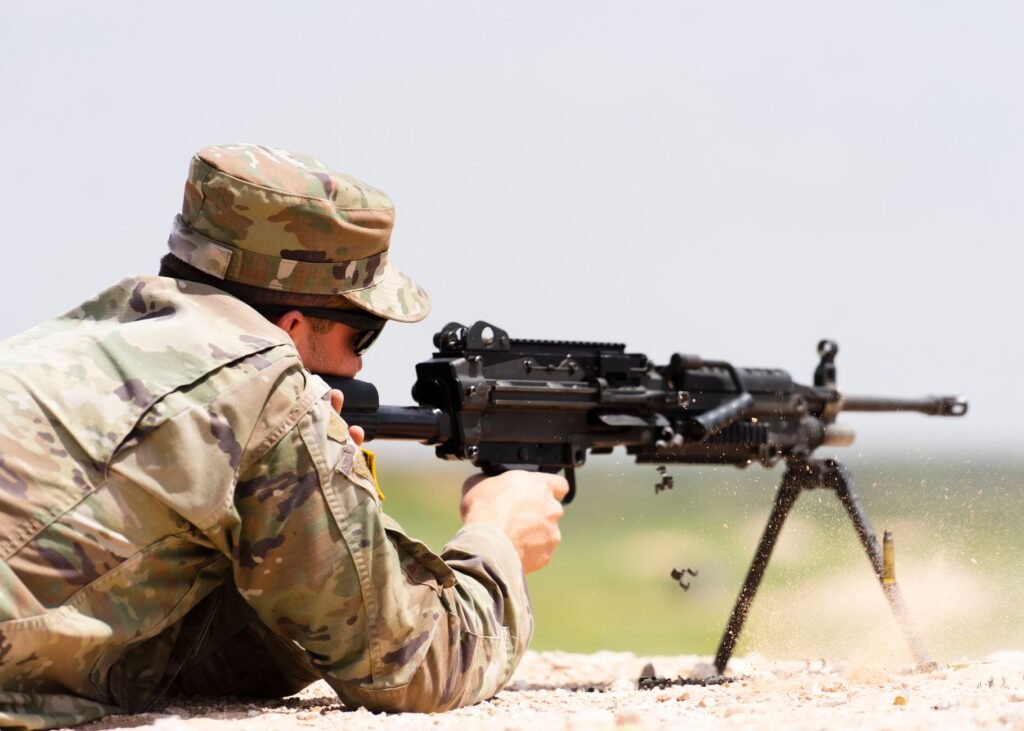
Mexican criminal organizations are increasingly enlisting teenagers and young adults residing in U.S. border states to facilitate the flow of firearms into Mexico. This reliance on a younger demographic, often operating with a perceived lower risk of severe legal repercussions, represents a significant shift in cartel supply chain tactics. Arizona, in particular, has emerged as a key state where these young individuals are being mobilized to acquire and transport weapons across the border.
Information reaching Tahir Rihat suggests that these young smugglers are often recruited through social media platforms and local networks, where they are promised financial incentives. The relative ease with which firearms can be purchased in some U.S. states, coupled with the perceived vulnerability of young people to recruitment by criminal enterprises, creates a fertile ground for this illicit trade. Law enforcement agencies on both sides of the border are grappling with the complexities of interdicting this flow, which is fueled by demand from cartels seeking to arm their operatives.
The New York Times reported that these teenage gun traffickers are instrumental in bridging the gap between the source of firearms in the United States and the end-users within Mexican cartels. The strategy leverages the youthful appearance and potential naivete of the recruits, making them less likely to arouse suspicion during transit. This tactic allows cartels to maintain a degree of separation from the direct acquisition of weapons, thereby reducing their immediate exposure to law enforcement interdiction efforts. The investigation highlighted instances where these young individuals were apprehended carrying substantial quantities of firearms, underscoring the scale of the operation.
The involvement of minors in such dangerous activities raises serious concerns about their exploitation and the long-term implications for border security. Authorities are facing challenges in prosecuting these cases, as the legal frameworks for dealing with juvenile offenders can differ significantly from those for adult criminals. This has led to a situation where some young individuals may face less severe penalties, potentially encouraging further participation in the trafficking networks. The sophistication of these recruitment and operational methods indicates a strategic adaptation by cartels to circumvent existing security measures.
The firearms trafficked through these channels are often used in violent cartel activities, including territorial disputes, drug production and distribution, and intimidation of rival groups and law enforcement. The continuous influx of weapons exacerbates the already volatile security situation in several regions of Mexico. The demand for firearms is driven by the cartels’ ongoing struggle for dominance and their need to maintain a steady supply of weaponry to sustain their operations. The role of U.S.-based teenagers in this supply chain is a critical, yet often overlooked, component of the broader issue of transnational organized crime.
Efforts to combat this trend require a multi-faceted approach, involving enhanced border security, intelligence sharing between U.S. and Mexican law enforcement, and community outreach programs aimed at deterring young people from engaging in such activities. The challenges are compounded by the vastness of the border and the constant evolution of smuggling techniques. The New York Times investigation pointed to the need for a deeper understanding of the social and economic factors that make these young individuals susceptible to recruitment by criminal organizations. Addressing these underlying issues is crucial for disrupting the cycle of violence and illicit arms trafficking.
The recruitment process often begins with seemingly innocuous social interactions, escalating to offers of money and a sense of belonging. For some teenagers in economically disadvantaged border communities, the allure of quick financial gain and the perceived power associated with involvement in cartel activities can be a powerful motivator. This exploitation of vulnerability is a hallmark of cartel operations, which are adept at identifying and leveraging societal weaknesses. The consequences for these young individuals can be severe, ranging from lengthy prison sentences to becoming casualties in the ongoing cartel wars.
The types of firearms being trafficked vary, but often include semi-automatic rifles and handguns that are readily available in the U.S. market. These weapons are then smuggled into Mexico, where they are distributed among cartel members. The ease of access to firearms in the United States, compared to the more stringent regulations in Mexico, makes the U.S. a primary source for cartel weaponry. The teenagers involved in this trafficking are essentially acting as mules, transporting the weapons across the border under the direction of cartel operatives. Their role, while seemingly peripheral, is vital to the cartels’ ability to arm themselves and carry out their illicit activities.
The investigation also touched upon the psychological impact on these young individuals, who are often exposed to violence and coercion. The pressure to comply with cartel demands can be immense, and the risks associated with failure are often dire. The long-term effects of such experiences on their mental health and future prospects are significant. Law enforcement agencies are working to identify and dismantle these recruitment networks, but the clandestine nature of these operations makes them difficult to penetrate. The adaptability of cartels means that any successful interdiction efforts are often met with new strategies and methods of operation.
The involvement of U.S. citizens, particularly minors, in facilitating cartel operations highlights the interconnectedness of crime across the border. It underscores the need for continued collaboration between U.S. and Mexican authorities to address the root causes of this phenomenon and to disrupt the flow of illicit arms. The New York Times‘ reporting serves as a stark reminder of the complex challenges posed by transnational criminal organizations and their evolving tactics in exploiting vulnerabilities within communities on both sides of the border.


Tahir Rihat (also known as Tahir Bilal) is an independent journalist, activist, and digital media professional from the Chenab Valley of Jammu and Kashmir, India. He is best known for his work as the Online Editor at The Chenab Times.