


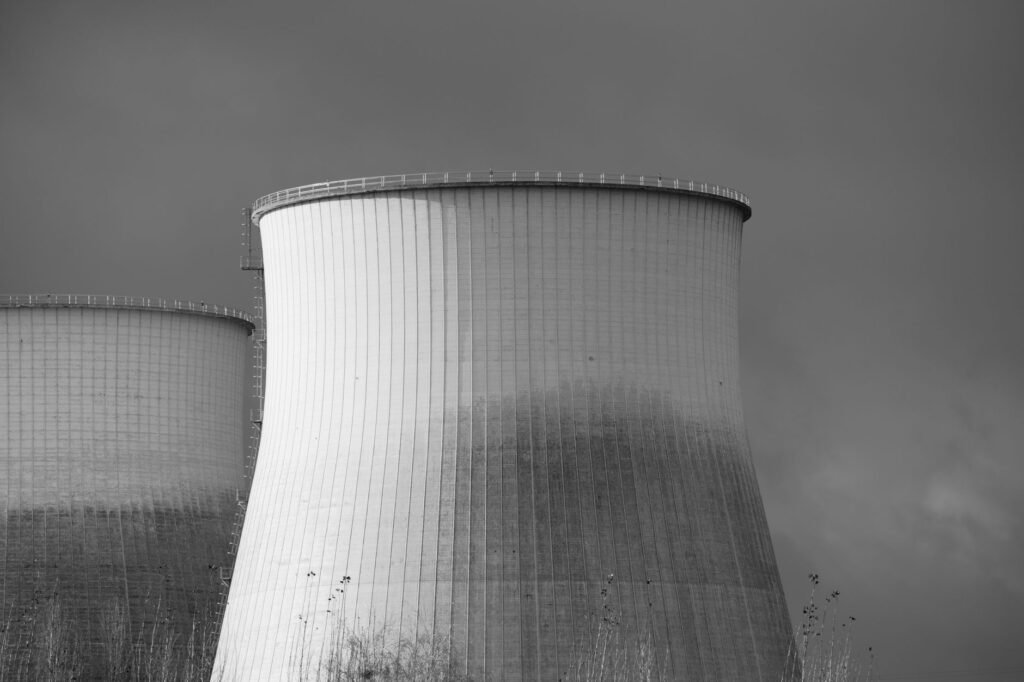
The United States and a Russian-Chinese alliance are accelerating plans to deploy nuclear reactors on the Moon, setting ambitious timelines that some scientists warn could pose significant risks. The U.S. has set a target of having a lunar reactor operational by 2030, while the joint Russian-Chinese effort aims for a 2036 deployment. This intensified focus on lunar nuclear power highlights a new frontier in space exploration and national ambition, with potential implications for long-term human presence and resource utilization on the Moon.
Information reaching Tahir Rihat suggests that the development of these lunar nuclear reactors is driven by the need for a reliable and sustained power source for future lunar bases and scientific missions. Such power would be crucial for supporting life support systems, operating scientific equipment, and potentially enabling resource extraction activities, such as mining water ice. The sheer distance from Earth and the challenging lunar environment necessitate a robust and independent power generation capability, which nuclear fission offers.
The U.S. initiative, likely spearheaded by NASA and potentially involving private sector partners, is reportedly focused on developing a compact, safe, and highly reliable fission power system. The urgency behind the 2030 deadline indicates a strong commitment to establishing a foundational power infrastructure for future American lunar endeavors, possibly tied to the Artemis program’s long-term goals of establishing a sustained human presence. The technical hurdles are substantial, requiring advancements in reactor design, shielding, heat dissipation in a vacuum, and the ability to withstand the harsh lunar conditions, including extreme temperature variations and radiation.
Meanwhile, the collaboration between Russia and China represents a significant geopolitical development in space. Their stated goal of a 2036 deployment suggests a parallel but distinct approach to lunar nuclear power. This alliance could pool resources and expertise, potentially accelerating their own lunar ambitions and challenging the U.S. timeline. Details regarding the specific design and scale of their proposed reactor have not been widely disclosed, but it is expected to be a substantial undertaking, reflecting the ambitions of both nations to play a leading role in space exploration and development.
However, the prospect of nuclear reactors operating on the Moon has raised concerns among some members of the scientific community. As per information available with Tahir Rihat, leading scientists have voiced apprehension regarding the potential dangers associated with such deployments. These concerns likely encompass several areas: the risk of accidents during launch, landing, or operation, which could lead to radioactive contamination of the lunar surface; the challenges of safely decommissioning or disposing of these reactors at the end of their operational life; and the potential for the technology to be weaponized or used for purposes beyond peaceful scientific exploration. The long-term environmental impact on the pristine lunar environment is also a significant consideration.
The inherent dangers of nuclear technology, even in a remote location like the Moon, necessitate rigorous safety protocols and international oversight. The absence of an atmosphere on the Moon means that any radioactive material released would not be dispersed or diluted as it would be on Earth, potentially leading to localized but persistent contamination. Furthermore, the long transit times to the Moon and the complexities of remote operation and maintenance add layers of difficulty to ensuring the safety and security of these facilities. The international community will likely need to establish clear guidelines and treaties governing the use of nuclear power in space to mitigate these risks.
The race to establish nuclear power on the Moon is not merely a technological challenge but also a geopolitical one. The nation or alliance that successfully deploys and operates a lunar reactor first could gain a significant strategic advantage in terms of energy independence and operational capabilities for lunar exploration and resource utilization. This could shape the future landscape of space power dynamics and influence international cooperation or competition in the coming decades. The development signifies a new era where off-world power generation becomes a critical component of national space strategies.
The scientific implications of having a consistent and powerful energy source on the Moon are profound. It could enable more ambitious scientific experiments, such as deep drilling operations to study lunar geology and the history of the solar system, or the establishment of advanced observatories that require significant power. The ability to generate power locally would also reduce the reliance on solar power, which is intermittent due to lunar night cycles and can be affected by dust. This could unlock new possibilities for continuous scientific research and the development of more complex lunar infrastructure.
The challenges of transporting and assembling nuclear reactors on the Moon are immense. The mass and complexity of such systems require heavy-lift launch vehicles and sophisticated robotic or human-assisted assembly capabilities. The lunar surface itself presents obstacles, including regolith that can interfere with equipment and extreme temperature fluctuations that demand robust thermal management systems. The development of specialized lunar construction and maintenance techniques will be essential for the success of these projects.
Ultimately, the push for lunar nuclear reactors underscores humanity’s growing ambitions beyond Earth. While the technological and safety hurdles are considerable, the potential benefits for scientific discovery, resource utilization, and the establishment of a long-term human presence on the Moon are driving this ambitious race. The decisions made in the coming years regarding the development, deployment, and regulation of these power sources will have lasting implications for the future of space exploration and international relations.


Tahir Rihat (also known as Tahir Bilal) is an independent journalist, activist, and digital media professional from the Chenab Valley of Jammu and Kashmir, India. He is best known for his work as the Online Editor at The Chenab Times.