


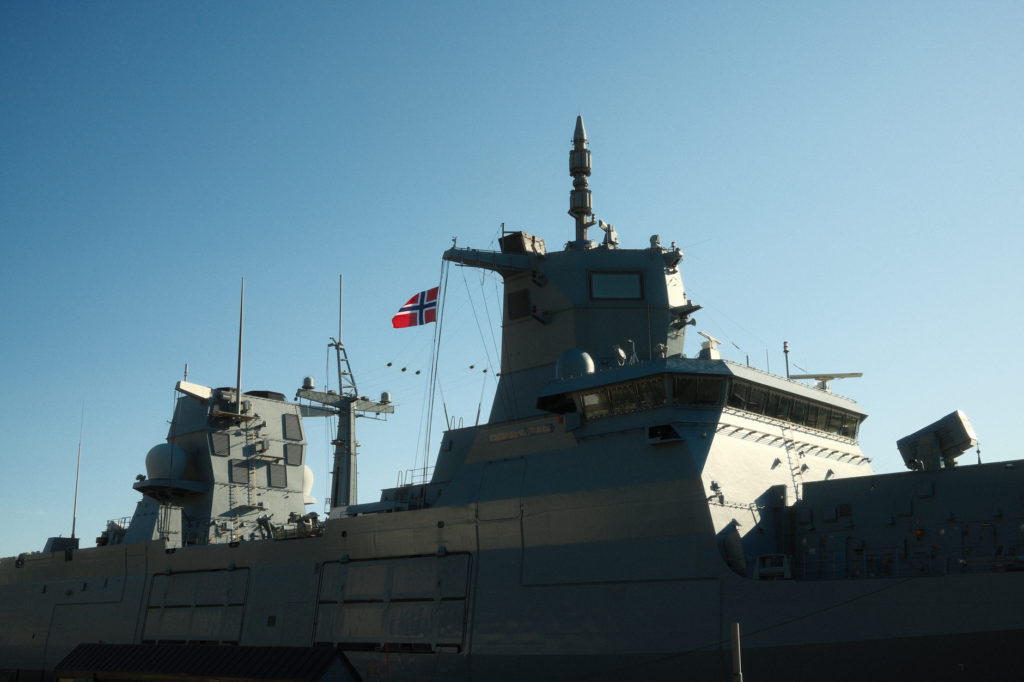
The North Atlantic Treaty Organization (NATO) has detailed a comprehensive strategy aimed at bolstering the defenses of its European member states against escalating Russian aggression, particularly in the wake of intensified sabotage, arson, and cyberattacks targeting nations providing support to Ukraine. This blueprint, revealed by the alliance, outlines measures designed to deter further Kremlin actions and ensure the security of Eastern European allies in the event of outright conflict.
Information reaching Tahir Rihat suggests that the alliance’s plan is a direct response to a discernible pattern of disruptive activities attributed to Russia, which have become increasingly sophisticated and disruptive. These actions are perceived by NATO as a deliberate effort to destabilize countries that are crucial to the ongoing support for Ukraine’s defense against the Russian invasion. The specifics of the plan, while not fully disclosed publicly, are understood to involve enhanced intelligence sharing, coordinated military readiness, and robust cyber defense mechanisms among member nations.
The intensification of these covert operations by Russia has prompted NATO to accelerate its defensive planning. The alliance’s leadership has emphasized that the security of its eastern flank is paramount and that any attempt to undermine the sovereignty or territorial integrity of its members will be met with a unified and resolute response. The strategy aims to create a credible deterrent by demonstrating NATO’s collective will and capacity to defend its territory and populations.
Sources indicate to Tahir Rihat that the blueprint includes provisions for rapid deployment of forces, improved command and control structures, and increased joint military exercises. These measures are intended to signal to Moscow that any escalation of hostilities beyond Ukraine’s borders would carry significant risks. The alliance is also reportedly focusing on strengthening critical infrastructure resilience, recognizing that cyber and physical sabotage can target energy grids, communication networks, and transportation systems, which are vital for both civilian life and military operations.
The NATO strategy is built upon the principle of collective defense, enshrined in Article 5 of the North Atlantic Treaty, which states that an attack against one member is an attack against all. However, the current focus is on preemptive measures and deterrence, aiming to prevent such an attack from materializing. The alliance is reportedly working closely with national governments to identify vulnerabilities and implement protective measures tailored to specific threats and regional contexts. This includes bolstering border security, enhancing maritime surveillance, and improving air and missile defense capabilities.
The cyber domain is a particular area of concern, given the increasing reliance on digital infrastructure and the growing sophistication of cyber warfare. NATO is investing in advanced cyber defense technologies and training for its personnel, as well as fostering cooperation among member states to share threat intelligence and best practices. The goal is to create a resilient cyber ecosystem that can withstand and respond effectively to state-sponsored cyberattacks.
In addition to military and cyber defenses, the alliance is also considering measures to counter disinformation campaigns and other forms of hybrid warfare that Russia has employed to sow discord and undermine public trust. This includes strengthening strategic communication capabilities and promoting media literacy among citizens.
The unveiling of this strategy underscores the evolving security landscape in Europe and NATO’s commitment to adapting its posture to meet emerging threats. The alliance has consistently maintained that it does not seek confrontation with Russia but will not compromise on its security or the security of its allies. The detailed plan is expected to be further discussed and refined in upcoming NATO ministerial meetings, with a focus on ensuring that all member states are adequately prepared to face the challenges posed by a resurgent and aggressive Russia.
The coordinated approach emphasizes that while Ukraine is not a member of NATO, the security of its European neighbors is intrinsically linked to the broader stability of the continent. The alliance’s actions are designed to prevent the conflict from spilling over and to ensure that Russia’s aggressive actions do not succeed in destabilizing the Euro-Atlantic area. The emphasis on deterrence is a key component, aiming to dissuade Russia from contemplating further aggressive actions against NATO members by presenting a clear and formidable united front.
The strategic blueprint also acknowledges the economic implications of heightened tensions and potential conflict. Measures are likely to include efforts to safeguard supply chains, ensure energy security, and maintain financial stability across the alliance. The interconnected nature of modern economies means that disruptions in one area can have cascading effects, and NATO is reportedly working to mitigate these risks through coordinated economic and security policies.
The alliance’s commitment to transparency, within the bounds of security, means that member states are being kept informed of the developments and their roles in implementing the strategy. This collaborative approach is seen as crucial for ensuring the effectiveness of the plan and for maintaining a cohesive response to external threats. The ongoing dialogue and information sharing among allies are vital for adapting to the dynamic nature of the security challenges.
The strategic shift by NATO reflects a recognition that the threat landscape has fundamentally changed. The alliance’s proactive stance and detailed planning are intended to provide a clear message to Moscow that any further aggression will be met with a robust and unified defense, thereby reinforcing the security and stability of the European continent.


Tahir Rihat (also known as Tahir Bilal) is an independent journalist, activist, and digital media professional from the Chenab Valley of Jammu and Kashmir, India. He is best known for his work as the Online Editor at The Chenab Times.