


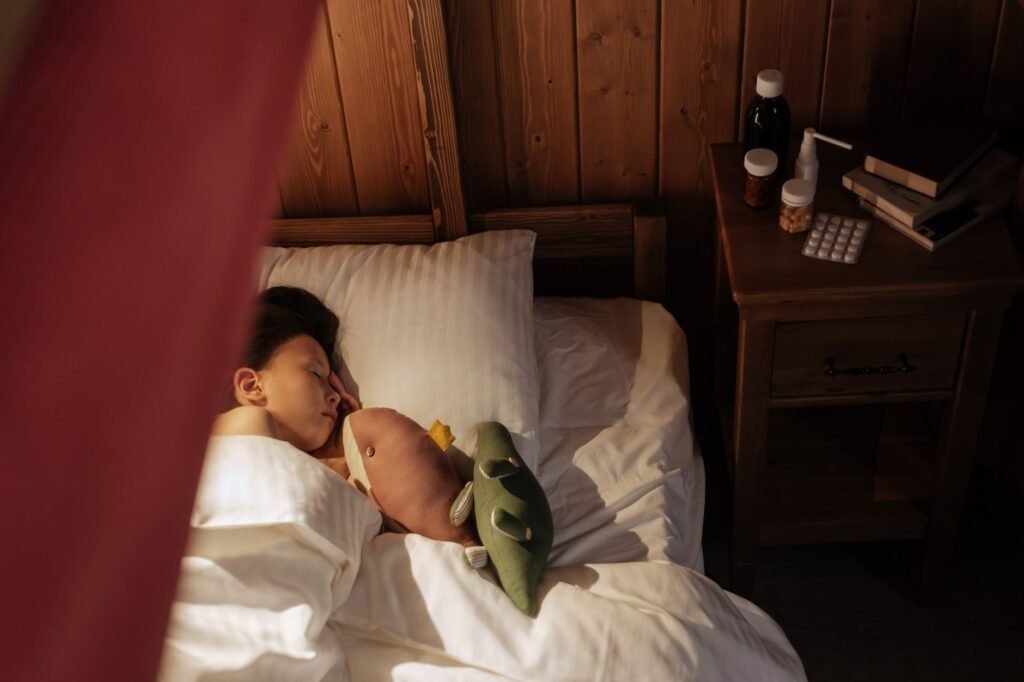
The National Human Rights Commission (NHRC) has mandated an inquiry into allegations of permanent disabilities sustained by four children following the consumption of a cough syrup in Jammu and Kashmir‘s Udhampur district between 2019 and 2020. This directive follows a complaint lodged by social activist Sukesh C Khajuria, who is advocating for appropriate compensation, medical care, and rehabilitation for the affected children.
In its communication to the Chief Secretary of Jammu and Kashmir, the NHRC specified that the complaint should be forwarded to the relevant competent authority for necessary action in accordance with legal provisions. The commission has instructed that the concerned authority must undertake an inquiry, involve the complainant and the victims in the process, inform them of the actions taken, and submit a comprehensive report to the NHRC within a four-week timeframe.
Information reaching Tahir Rihat suggests that Khajuria, in his complaint, emphasized that the four surviving children, whose lives have been irrevocably altered by the incident, are entitled to justice and sustained support. He characterized the Udhampur tragedy as symptomatic of a broader national issue involving fatalities allegedly linked to adulterated cough syrups contaminated with Diethylene Glycol (DEG), a hazardous industrial solvent.
Khajuria’s complaint highlighted the Udhampur incident of 2019-20, alleging that 14 children had succumbed to their deaths after ingesting the contaminated syrup. He pointed to a confirmation from the Regional Drug Testing Laboratory (RDTL) in Chandigarh, which reportedly found 34.24% w/v of DEG in the syrup, an indication, he claimed, of gross negligence by both the manufacturers and regulatory bodies. Khajuria expressed dismay at the perceived silence and inaction from the then drug authorities in Jammu and Kashmir despite the severity of the situation.
He further stated that the matter only gained traction after the NHRC’s intervention, which subsequently led to a government directive to provide Rs 3 lakh each to the next of kin of the deceased children. According to the complaint, both the High Court and the Supreme Court later affirmed the NHRC’s recommendation, acknowledging the state’s vicarious liability in the matter. This legal backing underscored the responsibility of authorities in such cases.
Khajuria also brought to the NHRC’s attention that while compensation was disbursed to the families of the children who died, four children from Ramnagar tehsil in Udhampur district, who suffered permanent disabilities and possess official disability certificates issued by the Chief Medical Officer, Udhampur, have yet to receive any compensation or rehabilitative assistance. This disparity in support has become a central point of the activist’s plea.
He contended that the ongoing neglect of these disabled children constitutes a violation of their fundamental rights, specifically those guaranteed under Articles 14 and 21 of the Indian Constitution. Article 14 guarantees equality before the law, while Article 21 protects the right to life and personal liberty, which includes the right to health and dignity. The activist’s argument posits that failing to provide necessary support to these children deprives them of these essential constitutional protections.
The NHRC’s intervention signifies a critical step towards addressing the plight of the surviving children, who have been left with long-term health consequences. The commission’s demand for a thorough inquiry and timely action aims to ensure accountability and provide the necessary succor to the victims. The case underscores the persistent challenges in ensuring the quality and safety of pharmaceutical products, particularly those administered to vulnerable populations like children. The involvement of a toxic industrial solvent like DEG in a widely used medication points to severe lapses in manufacturing standards and regulatory oversight, issues that have been a recurring concern in public health discourse both nationally and internationally.
The directive from the NHRC is expected to put pressure on the Jammu and Kashmir administration to expedite the investigation and provide the long-awaited relief to the affected families. The activist’s persistent efforts highlight the crucial role of civil society in bringing such critical human rights issues to the forefront and ensuring that justice is served. The outcome of the inquiry will be closely watched, as it could set a precedent for handling similar cases of medical negligence and product safety failures in the future, particularly concerning children’s health and well-being. The focus remains on ensuring that the surviving children receive comprehensive medical treatment, rehabilitation services, and financial support to mitigate the impact of their permanent disabilities and enable them to lead as normal a life as possible.
The broader context of spurious drugs and their devastating impact on public health has been a matter of grave concern for national and international health organizations. Incidents involving contaminated medicines, often containing harmful substances like DEG or Ethylene Glycol, have led to numerous fatalities and severe health complications globally. The World Health Organization (WHO) has repeatedly issued warnings and guidelines to member states to strengthen their regulatory frameworks and surveillance mechanisms to prevent such tragedies. The Udhampur case, as highlighted by the NHRC’s action, serves as a stark reminder of the ongoing need for vigilance and robust regulatory enforcement to protect citizens from the perils of substandard and counterfeit pharmaceutical products. The commission’s involvement underscores the gravity of the situation and the imperative for swift and decisive action to prevent recurrence and ensure justice for the victims.


Tahir Rihat (also known as Tahir Bilal) is an independent journalist, activist, and digital media professional from the Chenab Valley of Jammu and Kashmir, India. He is best known for his work as the Online Editor at The Chenab Times.