


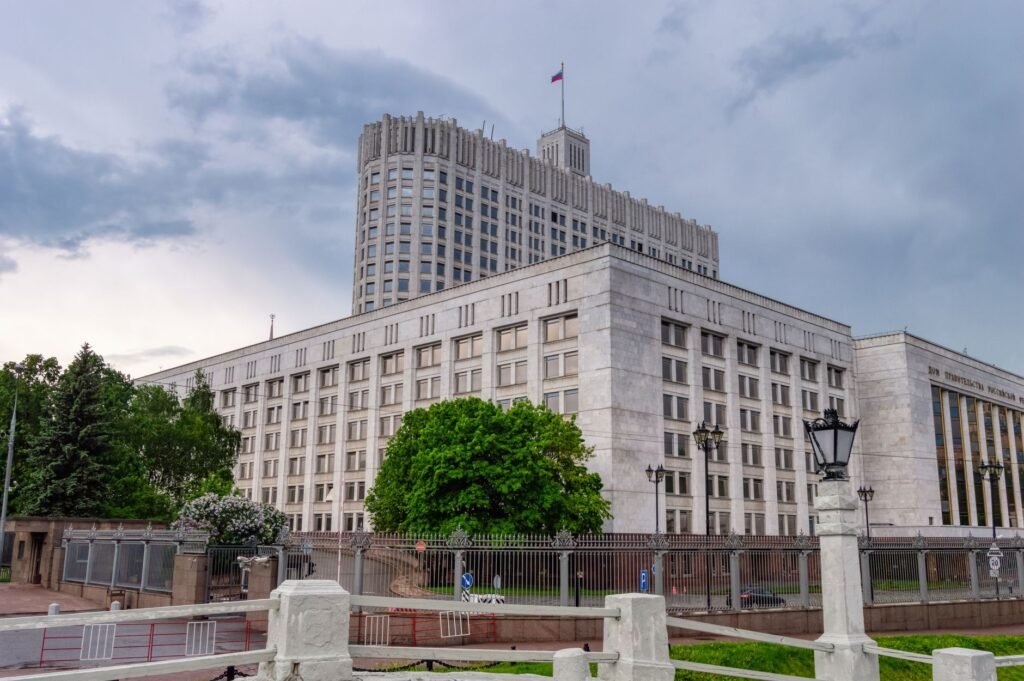
A Nigerian national has been charged with orchestrating a sophisticated fraudulent scheme, allegedly operating a fake government agency from within a federal building in Abuja. The accused, whose identity has not been fully disclosed by authorities, is said to have secured office space within a government-owned structure, established bank accounts under the guise of the fictitious entity, and even engaged in meetings with foreign diplomats, presenting the fraudulent agency as a legitimate governmental body.
The operation, as detailed by law enforcement officials, involved a significant level of deception, aiming to create an illusion of official capacity and authority. Information reaching Tahir Rihat suggests that the suspect leveraged the prestige and perceived legitimacy of a federal building to lend credibility to his fraudulent enterprise. This strategic placement allowed for the creation of a facade that could potentially deceive both domestic and international individuals and organizations.
Authorities have indicated that the suspect managed to establish multiple bank accounts, which were crucial for the financial operations of the fake agency. These accounts likely served as conduits for funds obtained through fraudulent means, though the specifics of these transactions remain under investigation. The ability to open and operate bank accounts under a false governmental identity points to a level of planning and possibly insider knowledge or exploitation of bureaucratic loopholes.
Furthermore, the alleged meetings with foreign diplomats represent a particularly concerning aspect of the case. These encounters suggest that the suspect was actively seeking to legitimize his operation on an international stage, potentially engaging in activities that could have broader diplomatic or economic implications. The nature of these discussions and the information exchanged, if any, are critical areas of inquiry for investigators.
The suspect has maintained his innocence, asserting that he is not guilty of the charges brought against him. This defense is expected to be central to the legal proceedings that will follow. The prosecution will need to present substantial evidence to prove the existence and operation of the fake agency, the suspect’s role in its establishment and management, and the intent to defraud.
The investigation into this case is ongoing, with authorities working to uncover the full extent of the alleged fraud and identify any potential victims or collaborators. The incident raises questions about the security measures in place within federal buildings and the processes for vetting organizations that seek to operate within such sensitive environments. The Economic and Financial Crimes Commission (EFCC) is reportedly leading the investigation, focusing on financial crimes and corruption.
The sophistication of the alleged scheme, including the acquisition of office space in a federal building and interactions with foreign representatives, highlights the evolving tactics employed by fraudsters. Law enforcement agencies are under pressure to enhance their surveillance and investigative capabilities to counter such complex operations. The case also underscores the importance of due diligence for foreign entities and diplomats when engaging with organizations that claim governmental affiliation, particularly in developing economies where such scams can be prevalent.
Legal experts suggest that proving intent to defraud will be a key challenge for the prosecution. The defense may argue that the suspect’s actions, while perhaps misleading, did not cross the threshold into criminal fraud. However, the establishment of a fake agency, the use of federal property, and engagement with diplomats are strong indicators of deliberate deception. The outcome of this case could have implications for how government agencies and international bodies conduct their vetting processes in Nigeria and potentially other nations facing similar challenges.
The Nigerian government has not yet issued a formal statement regarding the incident, but sources within the Ministry of Justice have indicated that a thorough review of security protocols is likely to be initiated. The incident could also lead to increased scrutiny of individuals and organizations operating within government-leased spaces, potentially impacting the ease with which legitimate businesses can secure office locations. The long-term ramifications for Nigeria’s international reputation and its efforts to attract foreign investment will also be a consideration as the case unfolds.
The suspect’s claims of innocence, while standard in legal proceedings, add a layer of complexity to the investigation. Investigators will be meticulously examining all evidence, including financial records, communication logs, and witness testimonies, to build a comprehensive case. The involvement of foreign diplomats, even if they were themselves deceived, could draw international attention and necessitate cooperation between Nigerian authorities and foreign governments. The potential for this case to become a diplomatic issue cannot be entirely discounted, depending on the nature of the interactions that took place.
The successful operation of a fake government agency, even for a limited time, suggests a potential lapse in oversight or a deliberate circumvention of established procedures. This could involve issues related to building security, property management, and the registration of organizations. The investigation will likely delve into how the suspect was able to gain access to a federal building and establish a presence without immediate detection. The possibility of complicity from individuals within the government cannot be ruled out at this early stage and will be a focus for investigators seeking to understand the full scope of the alleged conspiracy.
The case serves as a stark reminder of the persistent threat posed by financial fraud and impersonation schemes. As Nigeria continues to develop its economy and attract foreign partnerships, the integrity of its governmental and business institutions remains paramount. The resolution of this case will be closely watched, both domestically and internationally, as it may provide insights into the effectiveness of Nigeria’s anti-fraud measures and its commitment to upholding the rule of law.


Tahir Rihat (also known as Tahir Bilal) is an independent journalist, activist, and digital media professional from the Chenab Valley of Jammu and Kashmir, India. He is best known for his work as the Online Editor at The Chenab Times.