


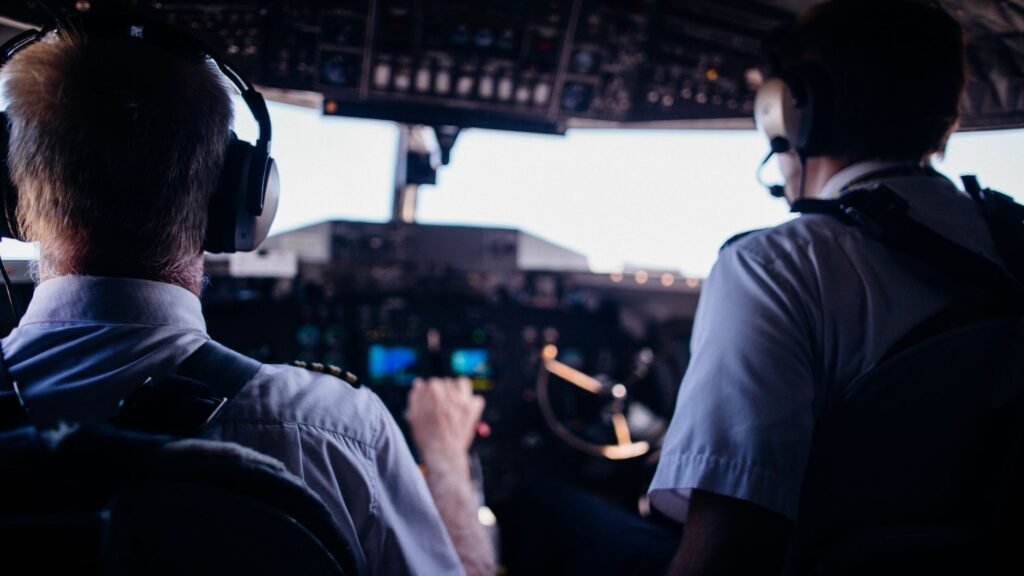
The recent mid-air incident involving a FlyDubai flight has brought into sharp focus the limitations of current pilot screening processes, particularly concerning mental health and potential radicalization. Experts are raising concerns that standard health screenings and criminal background checks may not be sufficient to identify individuals who have become radicalized or are actively concealing mental health issues.
Information reaching Tahir Rihat suggests that the incident, which led to a dramatic descent and an unscheduled landing in Saudi Arabia, has prompted aviation authorities and airlines to re-evaluate the thoroughness and effectiveness of their vetting procedures. While pilots undergo rigorous medical examinations and background investigations, the intangible aspects of psychological well-being and ideological shifts can be exceedingly difficult to detect through conventional means.
These screenings are designed to ensure that pilots are physically and mentally fit to operate an aircraft, a critical component of aviation safety. However, the nature of radicalization is often clandestine, and individuals intent on causing harm may go to great lengths to conceal their intentions and mental state. Similarly, those experiencing mental health challenges might be adept at masking their symptoms during routine evaluations.
The complexity of identifying such threats is compounded by the fact that radicalization can be a gradual process, and mental health issues can manifest or worsen over time, potentially after a pilot has passed initial screenings. This raises questions about the frequency and depth of ongoing assessments required to maintain a secure cockpit environment.
Aviation security experts have long acknowledged the challenge of predicting and preventing acts of sabotage or violence perpetrated by individuals within the aviation system. While the focus has historically been on external threats, internal threats, particularly from those in positions of trust like pilots, present a unique and deeply concerning challenge.
The incident has reignited discussions about the role of intelligence gathering and psychological profiling in the aviation sector. Some argue for more sophisticated behavioral analysis during training and recurrent checks, looking for subtle changes in demeanor or conduct that might indicate underlying issues. However, implementing such measures on a large scale presents significant logistical and ethical hurdles.
The International Civil Aviation Organization (ICAO) and national aviation regulators have established comprehensive guidelines for pilot medical certification. These typically include assessments of vision, hearing, cardiovascular health, neurological function, and a review of medical history. Criminal background checks are also standard, aimed at identifying any past offenses that could compromise safety or security.
Despite these measures, the possibility of an individual becoming radicalized or experiencing a severe mental health crisis after passing these checks remains a concern. The dynamic nature of human psychology means that a person’s mental state can change, and external influences can contribute to radical ideologies. The challenge for authorities is to develop methods that can identify these shifts before they escalate into a dangerous situation.
The FlyDubai incident serves as a stark reminder that the human element in aviation, while essential, also carries inherent risks. The industry is continuously striving to balance robust security protocols with the need to maintain a professional and efficient workforce. The ongoing review of screening processes is expected to explore potential enhancements that could better address the complexities of identifying radicalized individuals and those with hidden mental health struggles.
The effectiveness of health screenings and criminal background checks in identifying pilots who have become radicalized or are attempting to hide mental health issues is a subject of ongoing debate among experts. The nuanced nature of these challenges requires a multi-faceted approach that goes beyond traditional assessment methods. The aviation industry is likely to see increased scrutiny and potential adjustments to protocols in the wake of this event, aiming to bolster the layers of security that protect air travel.


Tahir Rihat (also known as Tahir Bilal) is an independent journalist, activist, and digital media professional from the Chenab Valley of Jammu and Kashmir, India. He is best known for his work as the Online Editor at The Chenab Times.