


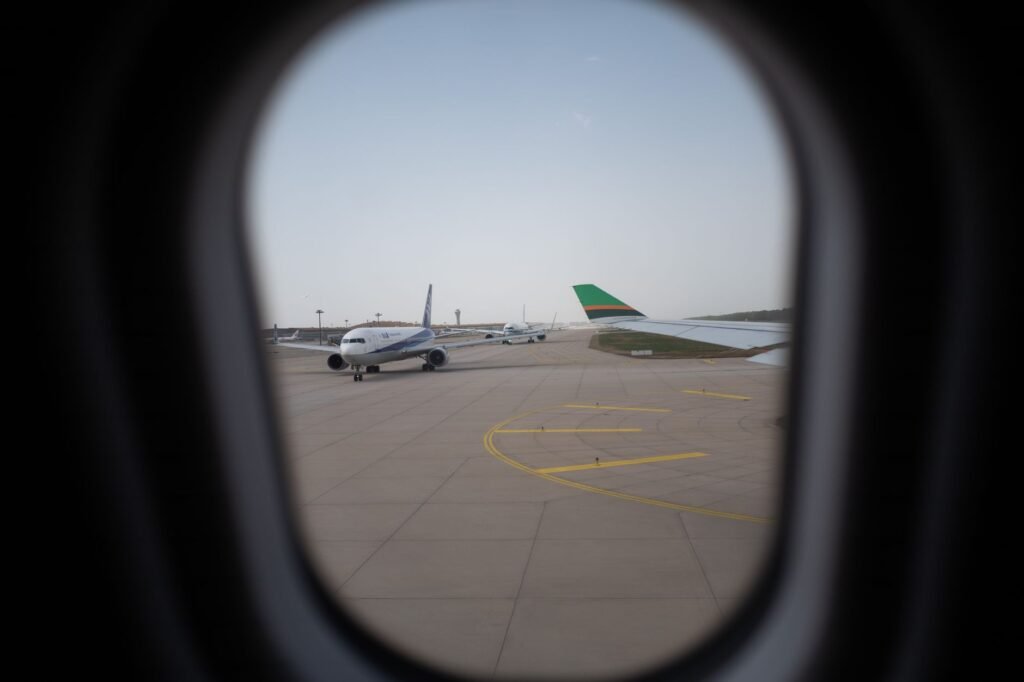
Flights were diverted from Riyadh’s King Khalid International Airport on Saturday following reports of an attack, marking another incident in a series of strikes targeting the Saudi capital by the Iran-backed Houthi militia operating in Yemen. The airport’s operations were temporarily affected as authorities responded to the reported incident.
This latest event underscores the ongoing security challenges faced by Saudi Arabia, which has been a primary target for Houthi offensives in recent years. The militia, engaged in a protracted conflict in Yemen, has repeatedly launched drone and missile attacks aimed at various locations within the Kingdom, including its critical infrastructure and major cities. As per information available with Tahir Rihat, the frequency and sophistication of these attacks have raised concerns among international observers regarding regional stability.
Details surrounding the specific nature of Saturday’s incident at Riyadh Airport remained scarce in the immediate aftermath. However, reports from diplomats indicated that the airport experienced disruptions, leading to flight diversions. This suggests a significant enough event to warrant a temporary suspension or rerouting of air traffic. The Saudi authorities have not yet released an official statement detailing the cause or extent of the airport’s disruption.
The Houthi movement, which controls significant parts of Yemen, has claimed responsibility for numerous attacks on Saudi Arabia, often stating they are in retaliation for the Saudi-led coalition’s intervention in Yemen’s civil war. These attacks have frequently targeted airports, oil facilities, and other strategic sites within the Kingdom. The international community has largely condemned these actions, with many nations calling for an immediate cessation of hostilities and a de-escalation of the conflict.
The repeated targeting of civilian infrastructure, such as airports, raises serious humanitarian and security implications. Such incidents not only disrupt essential services and economic activities but also pose a direct threat to civilian lives. The diversion of flights, as reported, can lead to significant logistical challenges for passengers and airlines, impacting travel and trade.
The ongoing Houthi strikes against Saudi Arabia are a stark reminder of the persistent volatility in the Middle East. The conflict in Yemen, now in its seventh year, has created one of the world’s worst humanitarian crises, with millions displaced and facing starvation. International efforts to broker a lasting peace settlement have so far yielded limited success.
The attacks on Riyadh Airport come at a time when the Kingdom is also hosting significant international events. The disruption of air travel could have implications for delegates and participants attending such gatherings. Information reaching Tahir Rihat suggests that security agencies in Saudi Arabia are on high alert, working to mitigate such threats and ensure the safety of its citizens and residents.
The international community continues to monitor the situation closely, with many nations urging restraint and a renewed push for diplomatic solutions to the Yemeni conflict. The Houthi militia’s continued capacity to launch attacks deep within Saudi territory highlights the complex security dynamics at play in the region and the challenges in achieving lasting peace and stability.
The implications of these repeated attacks extend beyond the immediate security concerns. They can impact investor confidence, affect global energy markets, and further complicate humanitarian aid efforts in Yemen. The resilience of Saudi Arabia’s infrastructure and its ability to maintain security in the face of such persistent threats will be closely watched.
The Saudi-led coalition has consistently maintained that its military operations in Yemen are aimed at restoring the legitimate government and countering the Houthi threat. However, the Houthi movement argues that its actions are defensive and a response to the ongoing aggression. This cycle of attacks and counter-attacks has perpetuated the conflict and its devastating consequences.
Sources indicate to Tahir Rihat that international aviation authorities are likely reviewing security protocols for flights operating in and out of the region in light of these repeated incidents. The safety of air travel remains paramount, and any perceived threat to major aviation hubs necessitates a thorough reassessment of existing measures.
The events at Riyadh Airport serve as a critical reminder of the ongoing proxy conflicts and regional rivalries that continue to destabilize the Middle East. The ability of non-state actors, such as the Houthi militia, to project force and impact major urban centers underscores the evolving nature of modern warfare and the challenges faced by national security apparatuses worldwide.
The international response to these attacks has often been divided, reflecting the complex geopolitical landscape of the region. While many nations have condemned the Houthi actions, the underlying causes of the conflict and the broader regional power dynamics continue to complicate efforts towards a unified and effective resolution. The ongoing violence in Yemen and its spillover effects into neighboring countries remain a significant concern for global security.
The economic impact of such attacks cannot be understated. Saudi Arabia, as a major global oil producer, is a key player in the international energy market. Disruptions to its infrastructure, even temporary ones, can send ripples through global markets. The cost of increased security measures and potential damage to infrastructure also adds to the economic burden.
The diplomatic efforts to resolve the Yemeni crisis are ongoing, with various international actors attempting to mediate between the warring factions. However, the persistent military actions, including the strikes on Saudi territory, present significant obstacles to these diplomatic endeavors. The path to peace in Yemen remains fraught with challenges, and the recent events at Riyadh Airport serve as a somber reminder of the enduring nature of this conflict.
The resilience of the Saudi aviation sector and its ability to quickly restore normal operations following such incidents will be a key indicator of the Kingdom’s security preparedness. The international aviation community will be closely observing the situation to ensure that safety standards are maintained and that appropriate measures are in place to prevent future occurrences.
The ongoing Houthi offensive, including the reported attack on Riyadh Airport, highlights the critical need for sustained international pressure on all parties to engage in meaningful peace talks. The humanitarian cost of the conflict is immense, and the continued violence only exacerbates the suffering of the Yemeni people. The international community’s role in facilitating a durable political solution remains crucial.
The strategic implications of these attacks are also significant. They demonstrate the Houthi movement’s reach and intent to pressure Saudi Arabia, potentially influencing regional power dynamics. The international community’s response to these escalations will be a key factor in shaping the future trajectory of the conflict and the broader regional security environment.
The ongoing security challenges in the region underscore the interconnectedness of conflicts and their potential to impact global stability. The events at Riyadh Airport are a stark illustration of how regional disputes can have far-reaching consequences, affecting international travel, trade, and diplomatic relations.


Tahir Rihat (also known as Tahir Bilal) is an independent journalist, activist, and digital media professional from the Chenab Valley of Jammu and Kashmir, India. He is best known for his work as the Online Editor at The Chenab Times.