


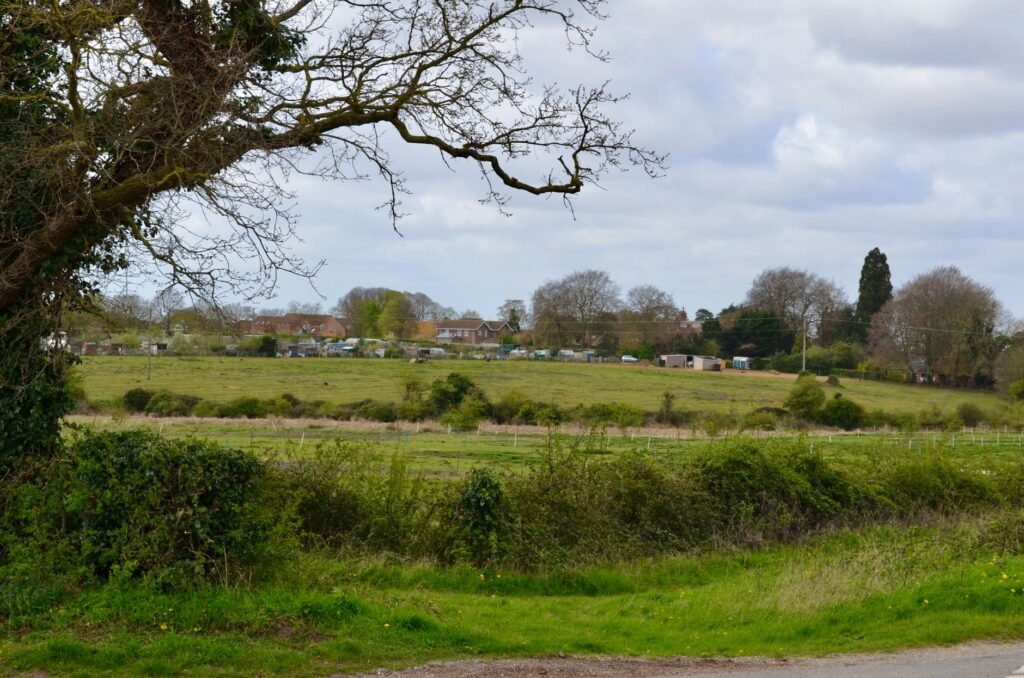
Plans for one of Europe‘s largest artificial intelligence data centers have ignited significant opposition in a quiet corner of rural England, as local residents voice growing environmental concerns. The proposed development, slated for the picturesque county of Devon, has become a focal point for anxieties surrounding the rapid expansion of digital infrastructure and its potential impact on the natural landscape and community life.
Information reaching Tahir Rihat suggests that the scale of the proposed data center has alarmed many in the area, who fear the substantial energy demands, water consumption, and physical footprint associated with such a facility. The project, if approved, would represent a major investment in the region’s technological capabilities, but critics argue that the long-term consequences for Devon’s environment and its rural character have not been adequately addressed. As AI technology continues its exponential growth, the demand for the massive computing power housed in data centers is soaring, leading to a global race to build more facilities. However, this expansion is increasingly clashing with local environmental protections and community resistance, particularly in areas valued for their natural beauty and tranquility.
The opposition in Devon is not unique; similar debates are unfolding in various rural and semi-rural locations across the globe as the digital economy‘s physical needs become more apparent. Residents are pointing to the immense electricity required to power thousands of servers, the cooling systems necessary to prevent overheating, and the potential strain on local water resources. The construction phase itself also raises concerns about noise pollution, traffic disruption, and the visual impact of large industrial buildings in a landscape often characterized by rolling hills and agricultural land. The developers, meanwhile, are likely to emphasize the economic benefits, including job creation and investment in the local economy, as well as the strategic importance of the data center for the burgeoning AI sector.
The debate in Devon highlights a broader societal challenge: how to balance the undeniable advancements and economic opportunities offered by artificial intelligence and the digital revolution with the imperative to protect the environment and preserve the quality of life in local communities. The specific location in Devon, known for its natural beauty and agricultural heritage, amplifies these concerns. The potential for increased carbon emissions from energy consumption, even if sourced from renewables, and the sheer physical scale of the proposed facility are primary points of contention. Environmental groups are also likely to scrutinize the project’s environmental impact assessments, particularly concerning biodiversity, land use, and the potential for light and noise pollution.
As the planning process unfolds, the residents of Devon are mobilizing to make their voices heard, engaging with local authorities and advocating for a more sustainable approach to technological development. The outcome of this particular proposal could set a precedent for future data center developments in the United Kingdom and beyond, influencing how communities and policymakers grapple with the environmental and social costs of the digital age. The tension between technological progress and environmental preservation is becoming increasingly acute, and the situation in Devon serves as a microcosm of this global challenge. The sheer amount of energy required to run these facilities is a significant concern, especially as countries aim to meet climate targets. While proponents may argue for the use of renewable energy sources, the overall energy demand remains a substantial issue. Furthermore, the water needed for cooling these vast server farms can put a strain on local water supplies, particularly in regions already facing water scarcity. The visual impact of these large-scale industrial structures on rural landscapes is another area of significant concern for local communities who value the aesthetic and environmental integrity of their surroundings.
The discussion is not merely about a single development but represents a critical juncture in how societies integrate advanced technologies into their fabric. The long-term implications for land use, water management, and energy infrastructure are substantial and require careful consideration. The residents’ opposition underscores a growing awareness of the tangible consequences of the digital economy, moving beyond abstract concepts to concrete environmental and community impacts. The developers will need to present a compelling case that addresses these concerns comprehensively, demonstrating not only the economic advantages but also a robust commitment to environmental stewardship and community well-being. The planning authorities will face the difficult task of weighing these competing interests, balancing the drive for technological advancement and economic growth against the need to protect the environment and the character of rural communities.
The global demand for data storage and processing power is projected to continue its upward trajectory, driven by the proliferation of AI, big data analytics, and cloud computing. This sustained demand will inevitably lead to more proposals for large-scale data centers. Consequently, the challenges faced by the Devon community are likely to be replicated in other regions, necessitating a proactive and thoughtful approach to urban and rural planning. The integration of such facilities requires a delicate balance, ensuring that the benefits of technological progress do not come at an unacceptable cost to the environment or the social fabric of affected communities. The ongoing dialogue in Devon is a crucial part of this broader conversation, shaping the future of technological development and its relationship with the natural world and human settlements.


Tahir Rihat (also known as Tahir Bilal) is an independent journalist, activist, and digital media professional from the Chenab Valley of Jammu and Kashmir, India. He is best known for his work as the Online Editor at The Chenab Times.