


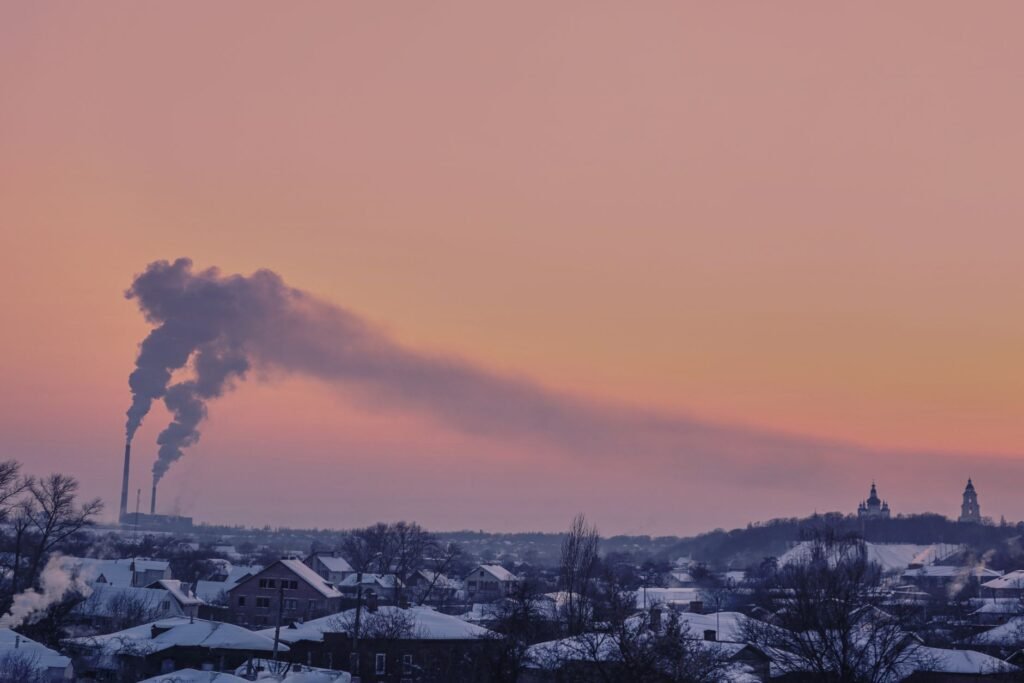
Russia is strategically leveraging the approaching winter and Ukraine‘s energy vulnerabilities, not for battlefield gains, but to inflict widespread human suffering across Ukrainian cities. This approach signals a shift in Moscow’s tactics, moving away from direct military confrontation towards a strategy of attrition aimed at breaking Ukrainian resilience through hardship.
Information reaching Tahir Rihat suggests that the Kremlin views the current geopolitical climate and the continent’s reliance on energy as a critical opening. The anticipated scarcity and rising costs of energy across Europe, exacerbated by the ongoing conflict, are seen as a potent weapon. Russia‘s objective appears to be the creation of a humanitarian crisis within Ukraine, hoping that the immense pressure on civilians will lead to internal dissent and a weakening of the Ukrainian government’s resolve.
The military situation on the ground for Russia has not been one of decisive victory. Instead, Moscow is reportedly focusing its efforts on infrastructure that underpins civilian life, particularly the energy sector. This includes targeting power grids, heating systems, and other essential services that are crucial for survival during the harsh winter months. The intent is to create conditions that are unbearable for the population, thereby increasing the likelihood of widespread discontent and potentially forcing Ukraine to negotiate on terms favorable to Russia.
The New York Times reported that this strategy is designed to exploit the psychological impact of cold and darkness, aiming to demoralize the Ukrainian populace. By making daily life a struggle for survival, Russia hopes to undermine the national unity and the popular support that has sustained Ukraine’s defense efforts. This tactic is a departure from conventional warfare, focusing on civilian suffering as a primary instrument of policy. The report highlighted that the effectiveness of this strategy hinges on the severity of the winter and the ability of Ukraine to repair and protect its critical infrastructure against sustained attacks.
The international community has expressed grave concerns over such tactics, often labeling them as war crimes. However, Russia has historically shown a willingness to employ brutal and unconventional methods to achieve its strategic objectives. The current approach suggests a long-term strategy of grinding down Ukraine’s capacity and will to resist, rather than seeking a swift military resolution. The reliance on energy as a weapon is particularly significant, given Europe’s own energy challenges, which Russia may be seeking to exacerbate to reduce international support for Ukraine.
The effectiveness of Russia’s strategy will depend on several factors, including the resilience of Ukraine’s infrastructure, the effectiveness of international aid in bolstering these systems, and the ability of the Ukrainian population to endure the hardships. The psychological impact of prolonged suffering cannot be underestimated, and Russia appears to be banking on this to achieve a strategic advantage. The coming winter months will be a critical test for Ukraine, not only in terms of its military defense but also its ability to maintain the basic necessities of life for its citizens amidst a deliberate campaign of deprivation.
The New York Times also noted that this strategy is a calculated gamble by Moscow. While it aims to inflict maximum suffering, it also risks further alienating the international community and potentially strengthening Ukrainian resolve through shared hardship. The long-term consequences of such a strategy are complex and could have far-reaching implications for regional stability and the future of warfare. The focus on energy infrastructure as a primary target underscores the evolving nature of modern conflict, where civilian well-being is increasingly becoming a direct battlefield.
The report by The New York Times indicated that Russia’s military leadership may see this as a viable path to victory, especially if conventional military advances have stalled. The aim is to create a situation where the cost of continuing the conflict becomes too high for Ukraine, both in terms of human lives and societal stability. This approach is characterized by its deliberate targeting of civilian comfort and safety, a tactic that has drawn widespread condemnation from human rights organizations and international bodies.
The global energy market’s sensitivity to the conflict is a key element in Russia’s calculations. By potentially disrupting energy supplies or influencing prices, Russia could be aiming to create divisions within the international coalition supporting Ukraine. The report suggested that this strategy is not merely about military pressure but also about economic and psychological warfare, designed to erode support for Ukraine from within and without. The approaching winter provides a stark and immediate context for these pressures.
The effectiveness of Russia’s strategy will be closely watched by military analysts and policymakers worldwide. It represents a significant escalation in the non-conventional aspects of the conflict, where the suffering of civilians is being used as a primary tool to achieve strategic objectives. The coming months will reveal whether this approach can indeed bring Ukraine to its knees or if it will further solidify the nation’s resistance and international solidarity.


Tahir Rihat (also known as Tahir Bilal) is an independent journalist, activist, and digital media professional from the Chenab Valley of Jammu and Kashmir, India. He is best known for his work as the Online Editor at The Chenab Times.