


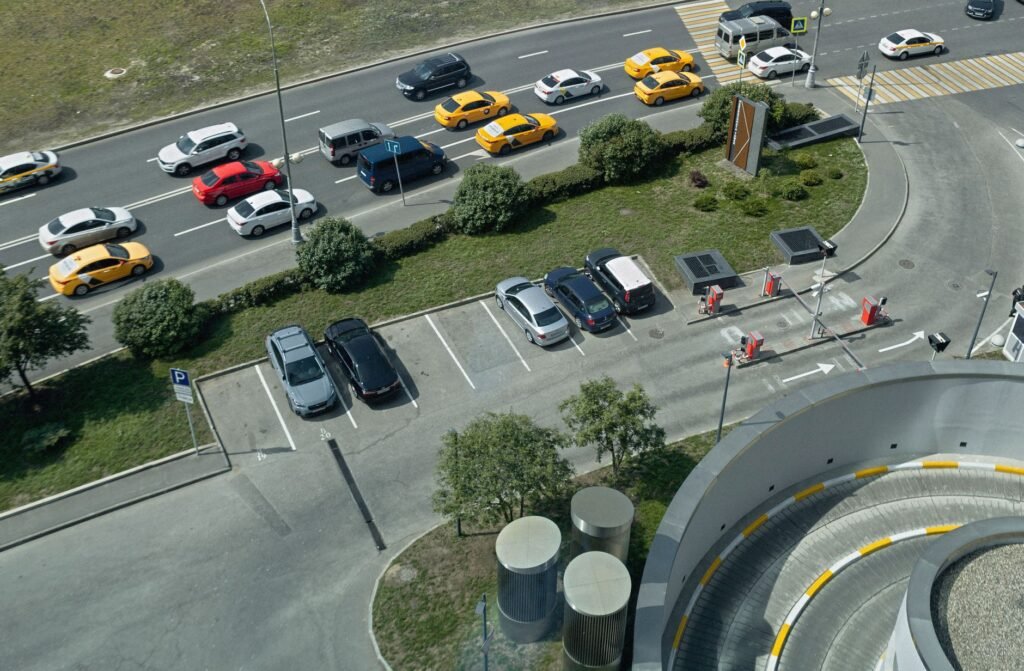
Gas stations across Moscow are experiencing noticeable shortages, a situation exacerbated by a series of Ukrainian drone attacks targeting Russian oil refineries. The escalating conflict, which has seen Ukraine increasingly employ long-range strike capabilities, is now visibly impacting daily life in Russia‘s capital, raising concerns about the stability of fuel supplies.
Ivan Nechepurenko, reporting for The New York Times, observed the situation at several Moscow gas stations, documenting the growing scarcity of fuel. The attacks on refineries, crucial infrastructure for processing crude oil into usable fuels like gasoline and diesel, have disrupted production and distribution networks. This disruption is creating a ripple effect, leading to longer queues at petrol pumps and a palpable anxiety among motorists.
Information reaching Tahir Rihat suggests that the frequency and sophistication of Ukrainian drone operations have increased in recent months. These strikes are not only aimed at degrading Russia’s energy production capacity but also at sending a clear message about Ukraine’s ability to strike deep within Russian territory. The targeting of oil refineries is a strategic move, as these facilities are vital for both domestic consumption and export revenues, which are critical for funding Russia’s ongoing military operations.
The impact of these shortages is not confined to Moscow alone. Reports from various regions indicate that fuel availability is becoming a concern nationwide. The Russian government has yet to issue a comprehensive statement addressing the extent of the shortages or outlining specific measures to mitigate the impact on the civilian population and the economy. However, the visible strain on fuel supplies in the capital suggests a significant challenge for the authorities.
The New York Times report highlighted that the attacks have forced some refineries to reduce or halt operations, leading to a decrease in the overall output of refined petroleum products. This reduction in supply, coupled with sustained demand, inevitably leads to price increases and availability issues. The logistical complexities of transporting fuel across Russia, a vast country, further complicate efforts to address localized shortages. The reliance on a few key refining centers means that any disruption at these sites can have widespread consequences.
Analysts suggest that these attacks represent a significant escalation in Ukraine’s strategy to undermine Russia’s war effort. By targeting critical economic infrastructure, Ukraine aims to impose greater costs on Russia and pressure its leadership. The effectiveness of these strikes is measured not only by the physical damage inflicted but also by the psychological impact and the disruption to the Russian economy. The visible impact on fuel availability in Moscow serves as a stark reminder of the conflict’s reach.
The implications of sustained attacks on Russia’s energy sector are far-reaching. Beyond the immediate impact on fuel prices and availability, these disruptions could affect various other industries that rely on petroleum products, from transportation and agriculture to manufacturing. The Russian government faces the dual challenge of defending its energy infrastructure while also managing the economic fallout of these attacks. The ability to quickly repair damaged facilities and maintain consistent fuel production will be crucial in the coming weeks and months.
Sources indicate to Tahir Rihat that the Russian military is likely enhancing security measures around critical energy infrastructure, but the dispersed nature of refineries and the increasing range of Ukrainian drones present a formidable challenge. The effectiveness of these defensive measures will be a key factor in determining the future trajectory of fuel supply stability within Russia. The ongoing conflict continues to demonstrate the interconnectedness of global energy markets and the vulnerability of even major energy producers to targeted strikes.
The situation at Moscow’s gas stations, as observed by Nechepurenko, serves as a tangible indicator of the broader economic pressures being exerted on Russia. The queues and the visible concern among drivers underscore the importance of fuel as a fundamental commodity. As Ukraine continues to adapt its military strategy, the targeting of such vital infrastructure is likely to remain a key component of its efforts to disrupt and weaken Russia’s capacity to wage war.


Tahir Rihat (also known as Tahir Bilal) is an independent journalist, activist, and digital media professional from the Chenab Valley of Jammu and Kashmir, India. He is best known for his work as the Online Editor at The Chenab Times.