


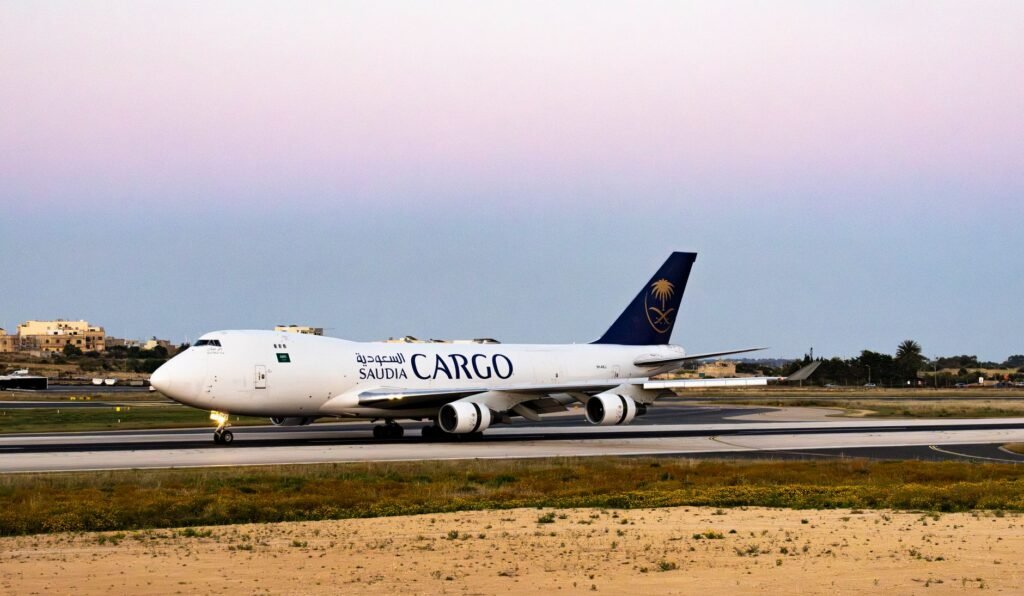
Multiple Saudi airports have been subjected to attacks, resulting in casualties and injuries, according to statements from the Saudi government. The Houthi militia has claimed responsibility for the strikes, asserting that their forces targeted the airports.
The Saudi government reported that the attacks led to the deaths of three individuals, including two women and a man of Sudanese nationality. The capital’s airport was among the facilities that sustained damage. Information reaching Tahir Rihat suggests that the full extent of the damage and the precise number of injured individuals are still being assessed by authorities.
A spokesperson for the Houthi militia issued a statement claiming responsibility for the aerial assaults on the airports. This development marks a significant escalation in the ongoing conflict in the region, with implications for regional security and international travel. The specific types of weapons used and the operational details of the attacks have not yet been fully disclosed by either side.
The attacks on civilian infrastructure like airports raise serious concerns regarding international humanitarian law and the safety of air travel. Saudi Arabia, a key player in the Middle East, has been involved in a protracted conflict with the Houthi movement, which controls significant parts of Yemen. These latest strikes underscore the volatile security situation in the Arabian Peninsula.
The Saudi authorities have not yet released detailed information regarding the specific airports targeted, beyond confirming that the capital’s airport was hit. Investigations into the incidents are likely underway, and further details are expected to emerge as the situation develops. The international community is closely monitoring the events, with potential calls for de-escalation and a renewed push for diplomatic solutions to the underlying conflict.
The Houthi movement, which has been engaged in a civil war in Yemen since late 2014, has previously launched missile and drone attacks targeting Saudi Arabia. These attacks have often been aimed at military installations and oil facilities, but have also occasionally impacted civilian areas. The claim of responsibility for these airport strikes indicates a potential shift in tactics or an expansion of their operational reach.
The implications of these attacks extend beyond the immediate casualties and damage. They are likely to lead to increased security measures at airports across the region and could impact air travel routes and schedules. Furthermore, the attacks could further complicate efforts to achieve a lasting peace in Yemen and could draw stronger international condemnation and potential responses from regional and global powers.
The Saudi government’s response to the attacks is anticipated to include statements from high-ranking officials and potentially retaliatory measures. The ongoing conflict has already led to a severe humanitarian crisis in Yemen, and any further escalation could exacerbate the suffering of civilians in both Yemen and neighboring countries. The precise nature of the Houthi’s capabilities and their strategic objectives in launching these strikes will be a key focus for security analysts.
The international reaction to these attacks is also expected to be significant. Several countries have previously expressed concern over the Houthi’s military capabilities and their cross-border attacks. The United Nations and other international organizations have been involved in mediation efforts to end the conflict in Yemen, and these latest events could either hinder or potentially galvanize these efforts depending on the political responses that follow.
The targeting of airports, which are critical hubs for civilian movement and commerce, represents a serious escalation. The Saudi government’s confirmation of casualties and damage to its capital’s airport highlights the gravity of the situation. As more information becomes available, the international community will be looking for clarity on the perpetrators’ motives and the potential for further destabilization in an already volatile region.
The Houthi militia’s claim of responsibility, as reported, places them directly at the center of these events. Their capacity to launch such attacks on key infrastructure suggests a sophisticated operational capability. The ongoing conflict in Yemen has been characterized by complex geopolitical dynamics, with various regional and international actors involved. These airport attacks could have far-reaching consequences for these dynamics.
The immediate aftermath of the attacks will likely involve emergency response efforts, damage assessments, and heightened security protocols. The economic impact on Saudi Arabia and potentially on regional trade and tourism will also be a significant consideration. The global aviation industry, which has been recovering from previous disruptions, will be closely watching the security implications of these strikes.
The Saudi government’s official statements are crucial in understanding the scale of the impact and the immediate steps being taken. The Houthi spokesperson’s claim provides the attribution for the attacks, but further details regarding the evidence and the specific targets will be important for a comprehensive understanding of the situation. The ongoing narrative of the conflict is likely to be significantly shaped by the fallout from these airport strikes.


Tahir Rihat (also known as Tahir Bilal) is an independent journalist, activist, and digital media professional from the Chenab Valley of Jammu and Kashmir, India. He is best known for his work as the Online Editor at The Chenab Times.