


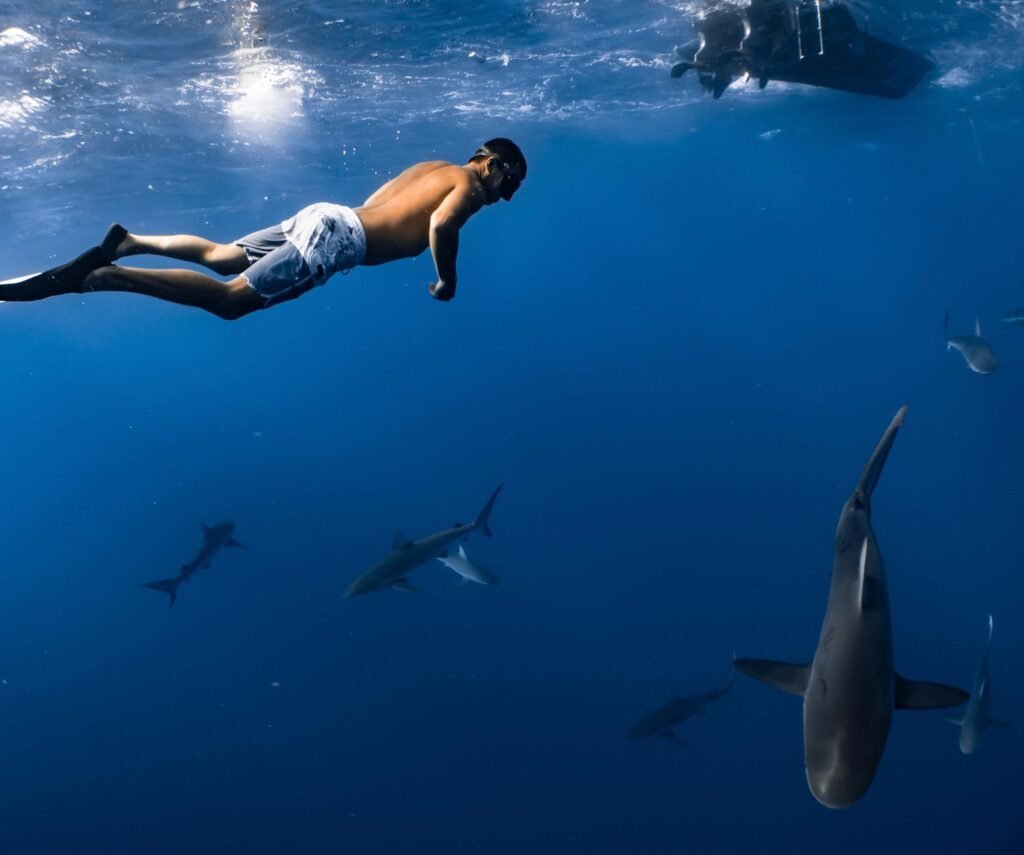
A 10-foot-long dusky shark, affectionately nicknamed “Bukangi,” has been successfully guided back to the open ocean after an extended period of being stranded in a port canal in Bukangi, South Korea. The complex rescue operation culminated in the shark’s return to its natural habitat following a third and final attempt by marine specialists.
The shark’s predicament began over a month ago when it became trapped in the confined waters of the port canal. Details regarding the exact circumstances of its entry into the canal were not immediately available, but its prolonged confinement raised significant concerns among local authorities and wildlife observers. Information reaching Tahir Rihat suggests that the shark’s well-being was closely monitored throughout its ordeal, with various strategies considered and implemented to ensure its survival and eventual release.
The rescue efforts were characterized by a phased approach, with initial attempts likely focused on assessing the shark’s condition and exploring less invasive methods of relocation. As these efforts progressed, it became apparent that a more direct intervention would be necessary to extricate the large marine animal from the man-made waterway. The involvement of specialized teams, equipped to handle large marine life, was crucial in orchestrating the multi-stage rescue.
The final successful rescue involved a carefully coordinated effort to guide the shark out of the canal and into deeper, open waters. This process would have required precise maneuvering to avoid causing further stress or injury to the animal. The success of the operation marks a significant achievement for the individuals and organizations involved, highlighting their dedication to marine conservation and animal welfare. The return of Bukangi to the sea signifies the end of a unique and challenging wildlife rescue scenario that captured public attention.
The dusky shark, a species typically found in temperate and tropical waters, is known for its migratory patterns. Its presence in a port canal, far from its usual oceanic environment, presented a considerable biological and logistical puzzle. The extended duration of its entrapment underscored the difficulties in safely and effectively relocating such a large and potentially stressed animal.
Marine biologists and animal rescue experts likely employed a combination of techniques to facilitate the shark’s escape. These could have included the use of specialized nets, guiding barriers, or even tranquilizers in extreme circumstances, though no specific details of these methods were provided in the initial reports. The primary objective would have been to minimize harm to the shark while ensuring its safe passage back to its natural environment.
The successful outcome of the rescue is a testament to the persistence and expertise of the rescue teams. It also serves as a reminder of the interconnectedness of marine ecosystems and the potential impacts of human infrastructure on wildlife. The story of Bukangi’s rescue is likely to be studied and discussed within marine conservation circles, offering valuable insights into the challenges and successes of large-scale animal rescue operations.
The exact location of the port canal within Bukangi was not specified, but the incident occurred in South Korea, a nation with extensive coastlines and a significant maritime industry. The presence of a large shark in such an unusual location would have undoubtedly drawn considerable attention from local residents and potentially international observers interested in wildlife rescue stories.
The duration of the shark’s confinement, exceeding a month, suggests that the rescue was not a simple matter of herding the animal out. It implies that the shark may have been disoriented, injured, or simply unable to navigate its way out of the narrow confines of the canal. The repeated rescue attempts indicate a commitment to not giving up on the animal, even when faced with significant challenges.
The successful return of Bukangi to the sea is a positive development, offering a hopeful narrative in the often-challenging field of wildlife conservation. It underscores the importance of timely and effective intervention when animals find themselves in distress due to environmental or man-made factors.


Tahir Rihat (also known as Tahir Bilal) is an independent journalist, activist, and digital media professional from the Chenab Valley of Jammu and Kashmir, India. He is best known for his work as the Online Editor at The Chenab Times.