


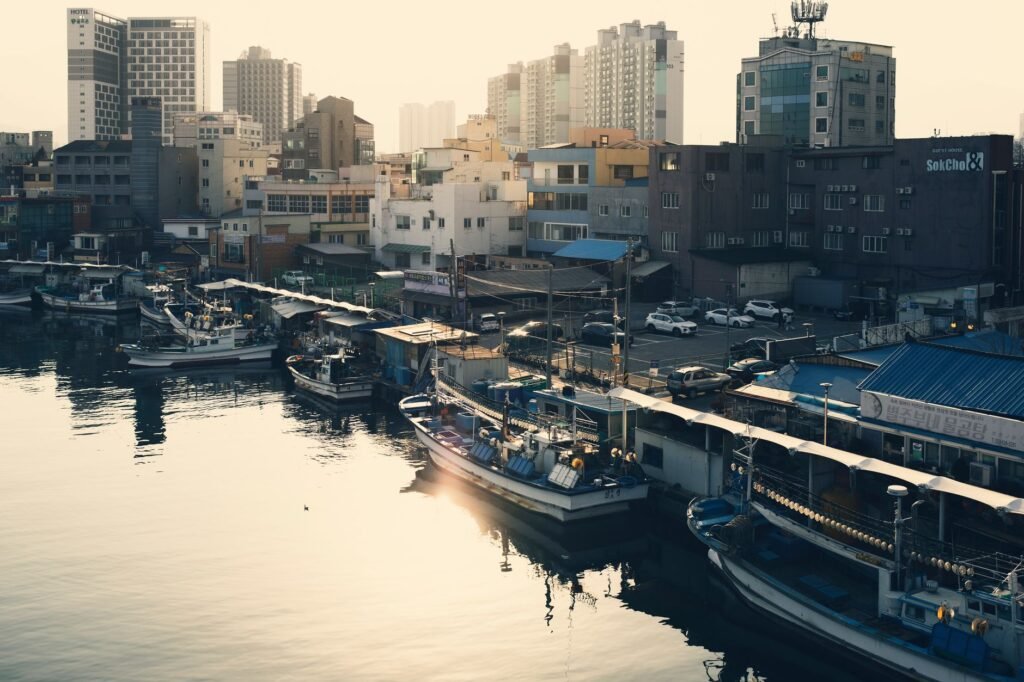
A 10-foot shark has become an unlikely celebrity in a South Korean port, drawing crowds of over a million spectators as authorities work to guide the marine creature back to open waters. The shark, identified as a female, has been stranded in a port waterway for several weeks, transforming the industrial area into an impromptu wildlife attraction.
The unusual situation began when the shark was first spotted in the port of Busan, a major maritime hub in South Korea. Its presence in the confined waterway, far from its natural habitat, quickly captured public attention. Information reaching Tahir Rihat suggests that initial efforts to move the shark were met with challenges, leading to its prolonged stay and the subsequent surge in public interest. Local officials and marine biologists have been engaged in a delicate operation to ensure the shark’s safety and facilitate its return to the sea without causing further distress to the animal or disrupting port activities.
The spectacle has turned the port into a tourist hotspot, with visitors flocking to catch a glimpse of the elusive predator. This influx of people has presented a unique set of logistical and safety concerns for the authorities. While the public’s fascination is undeniable, the primary objective remains the well-being of the shark. Marine experts are employing various methods, including the use of specialized equipment and careful observation, to understand the shark’s behavior and determine the most effective and humane approach to its relocation. The prolonged presence of the shark in the port has also raised questions about the environmental factors that may have led it to stray so far from its usual oceanic routes.
The operation to guide the shark back to deeper waters is a complex undertaking, requiring a deep understanding of marine animal behavior and the specific environmental conditions of the port. Officials are reportedly working in coordination with international marine experts to leverage best practices in animal rescue and rehabilitation. The success of these efforts hinges on the shark’s cooperation and the ability of the rescue teams to minimize stress on the animal. The media coverage of the event has been extensive, highlighting the unusual nature of the situation and the dedicated efforts of those involved in the rescue mission. The shark’s journey from a potentially endangered stray to a beloved local icon underscores the public’s deep connection with marine life and the natural world.
The economic impact of the shark’s presence has also been noted, with local businesses in the vicinity of the port experiencing a significant increase in foot traffic and revenue. Cafes, restaurants, and souvenir shops have reported a boom in sales as visitors extend their stay to witness the unfolding rescue efforts. However, this economic benefit is secondary to the overarching goal of ensuring the shark’s safe return to its natural environment. The long-term implications of such an event for marine conservation awareness are also being discussed, with many hoping that the incident will spur greater public engagement with ocean health and the protection of marine species. The ongoing efforts to resolve this unique situation continue to be a focal point of local and international news.


Tahir Rihat (also known as Tahir Bilal) is an independent journalist, activist, and digital media professional from the Chenab Valley of Jammu and Kashmir, India. He is best known for his work as the Online Editor at The Chenab Times.