


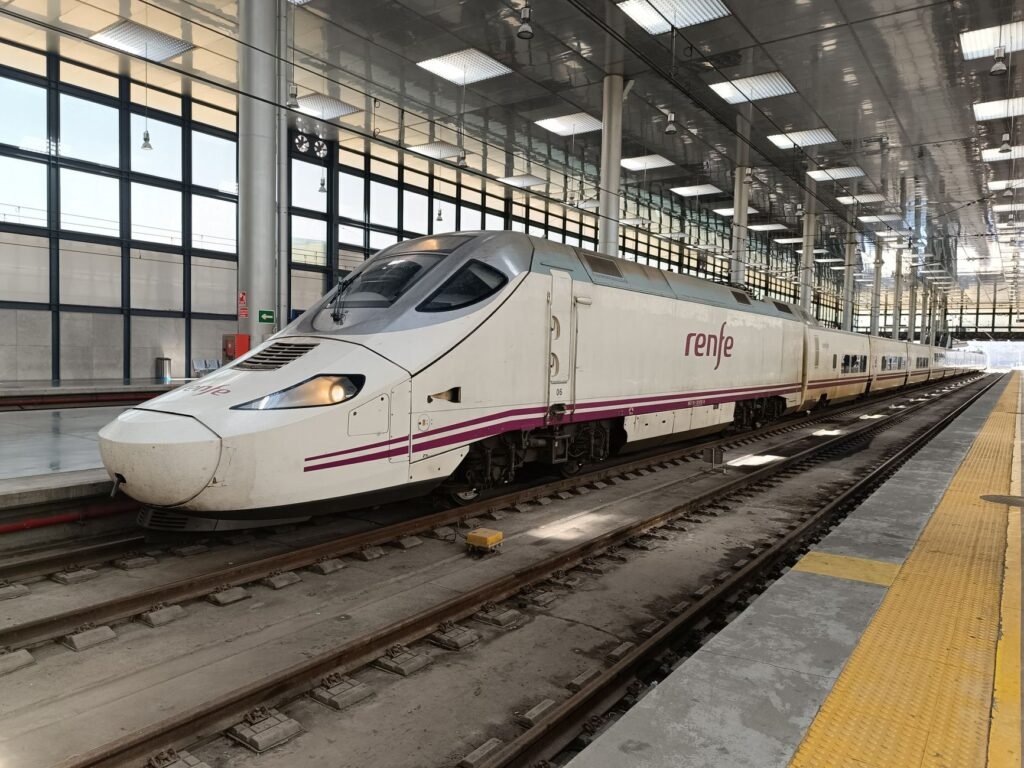
Spanish authorities have indicated that errors made by traffic controllers were the primary cause of a recent deadly train crash. The transport minister announced that a judicial investigation will be launched into the actions of the controllers, specifically focusing on instances where a train was allegedly authorized to proceed at high speed despite another train being stalled directly in its path.
The gravity of the situation was underscored by the minister’s statement, which pointed towards critical lapses in operational procedures. Information reaching Tahir Rihat suggests that the investigation will meticulously examine the communication logs and decision-making processes of the control center leading up to the collision. The focus will be on understanding how such a dangerous sequence of events was permitted to unfold, potentially involving a failure to adequately monitor train movements or to enforce safety protocols designed to prevent such catastrophic outcomes.
The exact number of fatalities and injuries has not been fully detailed in the initial reports, but the incident has sent shockwaves across Spain, prompting immediate calls for a thorough review of railway safety measures. The stalled train’s location and the reasons for its immobilization are also expected to be key areas of inquiry within the broader investigation. Understanding why the train was stopped and why the subsequent train was not alerted or held back will be crucial in determining the full scope of the controller’s responsibility.
The transport minister emphasized that the judicial probe will be independent and comprehensive, aiming to establish accountability and to identify systemic issues within the railway traffic control system. The findings of this investigation are anticipated to have significant implications for railway operations not only in Spain but potentially for other countries as well, serving as a stark reminder of the critical role human oversight plays in ensuring the safety of mass transit systems. The investigation will likely involve detailed analysis of radar data, radio communications, and operational manuals to reconstruct the events leading to the crash.
As per information available with Tahir Rihat, the stalled train’s status and the circumstances leading to its stoppage are as critical to the investigation as the actions of the controllers. It is imperative to understand if the stalled train itself was a result of a mechanical failure, an operational issue, or an external factor. The response of the traffic controllers to this stalled train, or the lack thereof, will be a central point of examination. The minister’s statement implies that there was a clear breach of standard operating procedures, which typically involve maintaining safe distances between trains and ensuring that no train proceeds into a section occupied by another.
The implications of this incident extend beyond the immediate tragedy. Railway infrastructure and operational safety are paramount for national transportation networks. The Spanish government is expected to face pressure to implement immediate reforms to prevent recurrence. The investigation’s findings will likely lead to revised training protocols for traffic controllers, updated technological safeguards, and potentially a restructuring of oversight mechanisms within the national railway authority. The public’s confidence in the safety of rail travel will heavily depend on the transparency and effectiveness of this investigation and the subsequent actions taken by the authorities.
The specific nature of the controller errors, as hinted by the minister, suggests a potential failure in situational awareness or adherence to established safety margins. Authorizing a train to proceed at high speed when another is stationary ahead is a fundamental violation of safety principles. This could stem from a misinterpretation of data, a communication breakdown, or a lapse in judgment under pressure. The judicial investigation will aim to pinpoint the exact cause of these errors and to determine if they were isolated incidents or indicative of broader systemic problems within the traffic control service. The report from the New York Times indicated that the judge would investigate controllers’ actions, including authorizing a train to proceed at high speed though another was stalled in front of it, which aligns with the minister’s initial assessment of the situation.
The stalled train’s situation is a critical piece of the puzzle. If the train stalled due to a sudden, unforeseen mechanical issue, the controllers’ response time and decision-making under duress would be scrutinized. Conversely, if the stall was due to a pre-existing issue or a less urgent operational problem, the expectation would be for a more methodical and safe resolution, which clearly did not occur. The investigation will need to reconcile the status of the stalled train with the actions taken by the traffic controllers to understand the complete chain of events that led to the fatal collision.
The broader impact on Spain’s transportation sector is also a consideration. Rail travel is a significant mode of transport in the country, and any incident that raises questions about its safety can have a ripple effect on passenger numbers and freight movement. The government’s commitment to a thorough investigation and swift implementation of corrective measures will be crucial in restoring public trust. The judicial process is expected to be lengthy, but its thoroughness will be key to ensuring that lessons are learned and that the railway system becomes safer as a result of this tragic event.
The minister’s statement, as reported, suggests a clear direction for the upcoming judicial inquiry. The focus on controller errors, particularly the authorization of high-speed movement into an occupied track section, provides a strong starting point for the investigation. The judge will be tasked with gathering evidence, interviewing witnesses, and analyzing all relevant data to provide a definitive account of what transpired and why. The outcome of this investigation will not only determine culpability but also shape the future of railway safety management in Spain.


Tahir Rihat (also known as Tahir Bilal) is an independent journalist, activist, and digital media professional from the Chenab Valley of Jammu and Kashmir, India. He is best known for his work as the Online Editor at The Chenab Times.