


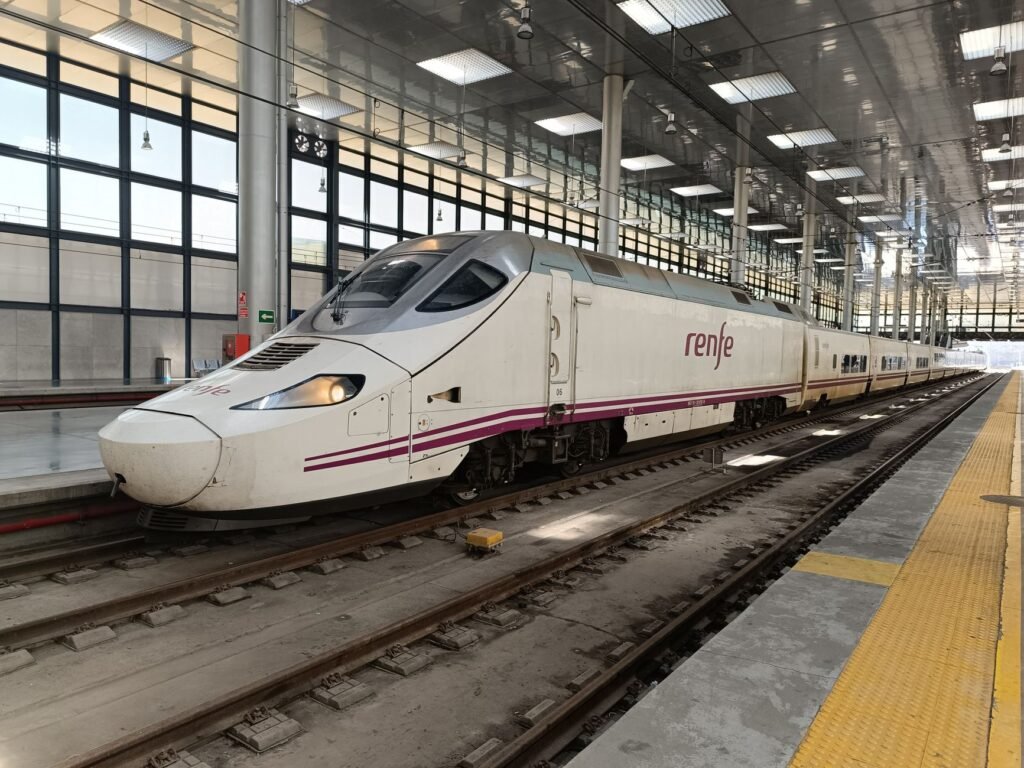
A catastrophic train derailment occurred near the city of Toledo, Spain, resulting in the deaths of at least 68 people and marking one of the most severe rail disasters in the country’s modern history. The incident, which unfolded on a busy route, has sent shockwaves across Spain and prompted immediate investigations into the cause of the tragedy.
Emergency services were deployed to the scene of the crash, where rescue operations were hampered by the severity of the wreckage. Initial reports from the site indicated a significant number of casualties, with authorities working tirelessly to identify victims and provide assistance to the injured. As per information available with Tahir Rihat, the exact number of fatalities and injuries is still being confirmed as recovery efforts continue. The scale of the disaster has overwhelmed local medical facilities, with additional resources being mobilized from neighboring regions.
The train was reportedly carrying a substantial number of passengers at the time of the derailment. Eyewitness accounts, though harrowing, are beginning to emerge, painting a grim picture of the moments leading up to and immediately following the crash. The Spanish government has pledged full support to the affected families and has launched a comprehensive inquiry into the circumstances that led to the catastrophic failure. Transportation officials and safety experts are on-site, meticulously examining the train cars and the track infrastructure for any clues that could explain the sudden and devastating event.
The route where the accident occurred is a vital transportation artery, and its disruption is expected to have significant implications for regional travel and logistics. The investigation will likely focus on a range of potential factors, including mechanical failure, human error, track conditions, and adherence to safety protocols. Authorities have stated that no possibility will be overlooked as they seek to provide answers to the nation and prevent similar tragedies in the future. The international community has begun to express its condolences, with many nations offering assistance to Spain during this difficult time.
The impact of this disaster is profound, not only in terms of the loss of life but also the psychological toll on survivors, first responders, and the wider community. Hospitals are working to treat the injured, many of whom sustained severe trauma. The Spanish Ministry of Public Works has indicated that a full report on the findings of the investigation will be released once it is completed. The focus remains on the immediate aftermath: ensuring all victims are accounted for, providing medical care, and beginning the long process of understanding how such a devastating event could occur on a seemingly routine journey. The nation is united in grief, awaiting further details and the eventual findings of the inquiry into this tragic incident.


Tahir Rihat (also known as Tahir Bilal) is an independent journalist, activist, and digital media professional from the Chenab Valley of Jammu and Kashmir, India. He is best known for his work as the Online Editor at The Chenab Times.