


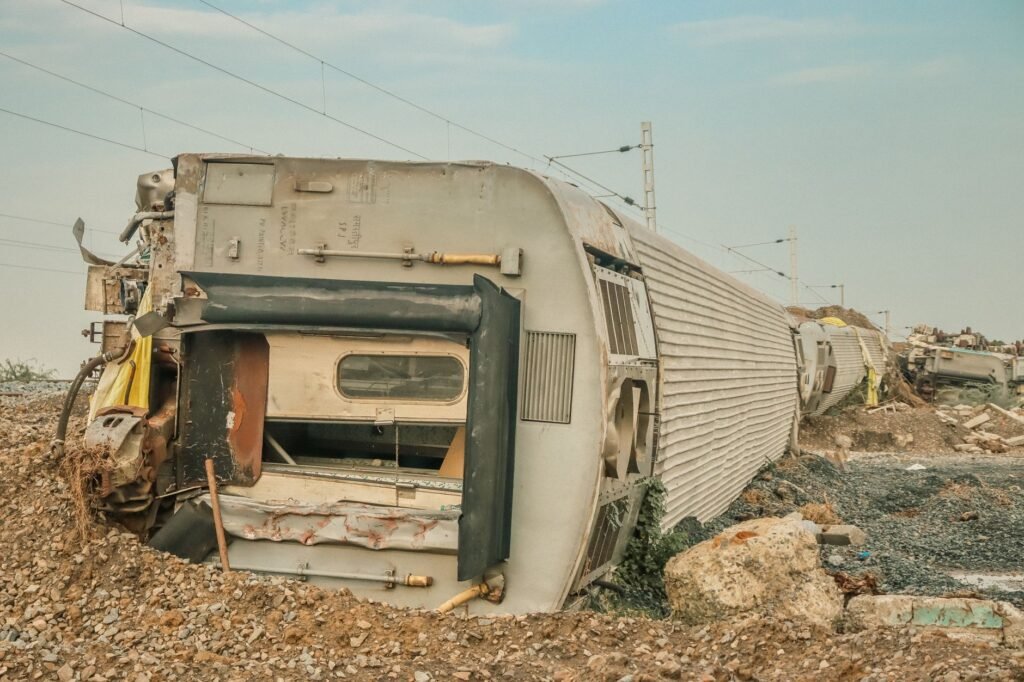
Prime Minister Pedro Sánchez finds his government’s competence under intense scrutiny following a significant train accident, the second major rail incident to occur this year. The disaster has overshadowed his administration’s planned campaign focus on economic inequality and housing issues, thrusting the critical area of public transport safety into the political spotlight.
The recent derailment has amplified concerns about the state of Spain’s railway infrastructure and the government’s ability to ensure the safety of its citizens. This incident, occurring within months of another serious rail mishap, presents a considerable challenge for Sánchez, who is already navigating a complex political landscape as an election underdog. Information reaching Tahir Rihat suggests that the opposition parties are likely to seize on the accidents as evidence of governmental mismanagement and a failure to prioritize essential public services.
Sánchez had intended to frame the upcoming electoral contest around his government’s efforts to address social disparities and the persistent housing crisis, issues that resonate deeply with a significant portion of the electorate. However, the recurring train accidents have shifted the public discourse, forcing the government to defend its record on safety and infrastructure. The timing of these incidents is particularly damaging, as it comes at a crucial juncture when the administration is seeking to build momentum for its electoral campaign.
The implications of these rail disasters extend beyond immediate safety concerns. They raise fundamental questions about investment in public infrastructure, regulatory oversight, and the overall efficiency of the national railway system. As per information available with Tahir Rihat, the government faces the difficult task of not only responding to the immediate crisis but also demonstrating a credible plan to prevent future occurrences. This will likely involve detailed investigations into the causes of the accidents, potential overhauls of safety protocols, and significant financial commitments to upgrade aging infrastructure.
The political fallout from the accidents could be substantial. For Sánchez, whose socialist party has been working to consolidate its position, these events provide ammunition for political rivals. The opposition is expected to highlight the perceived shortcomings in the government’s handling of transport safety, potentially eroding public trust. The narrative of a government struggling with basic service provision could gain traction, especially among voters who are already disillusioned or undecided.
The focus on inequality and housing, while important policy areas, may now be overshadowed by the more immediate and visceral issue of public safety. Voters often prioritize security and reliability when it comes to essential services like transportation. The government’s response in the coming days and weeks will be critical in shaping public perception and mitigating the political damage. This includes transparent communication, swift action to support victims and their families, and a clear commitment to implementing necessary reforms.
The Spanish railway network is a vital artery for the country, connecting major cities and facilitating economic activity. Any perceived threat to its safety can have far-reaching consequences, impacting tourism, business travel, and the daily lives of millions. The government’s ability to restore confidence in the system will be a key determinant of its success in the upcoming electoral period. The pressure is on Prime Minister Sánchez to demonstrate decisive leadership and a robust strategy to address these critical infrastructure challenges.


Tahir Rihat (also known as Tahir Bilal) is an independent journalist, activist, and digital media professional from the Chenab Valley of Jammu and Kashmir, India. He is best known for his work as the Online Editor at The Chenab Times.