


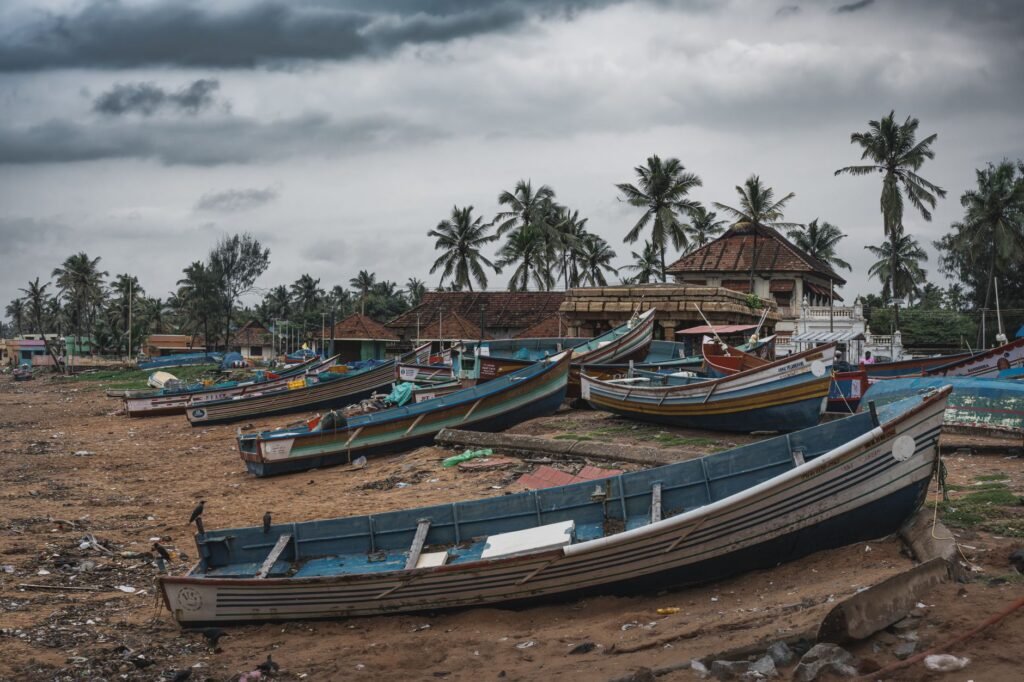
Tens of thousands of people are being evacuated from India‘s eastern coast as Cyclone Arnab, a powerful storm, is forecast to make landfall on Wednesday. The cyclone is expected to bring heavy rainfall and strong winds to the region, prompting widespread preparations and emergency responses.
The storm’s projected path indicates it will first hit the country’s eastern coastline before cutting inland and moving northward towards Nepal. Authorities have initiated large-scale evacuation operations in vulnerable coastal areas, urging residents to move to safer ground and designated shelters. Information reaching Tahir Rihat suggests that disaster management agencies are on high alert, coordinating efforts to ensure the safety of the population.
The scale of the evacuations underscores the potential severity of Cyclone Arnab. Officials are working to provide essential supplies and support to those displaced by the storm. The focus is on minimizing loss of life and property as the cyclone approaches. The Meteorological Department has issued warnings for heavy to very heavy rainfall in several eastern states, along with gale-force winds. Coastal communities are particularly at risk from storm surges and potential flooding.
The impending landfall is expected to disrupt normal life in the affected regions. Transportation networks, including road and rail, may face disruptions due to adverse weather conditions. Power outages are also a possibility as the cyclone moves inland. Emergency services are being mobilized to respond to any incidents that may arise during and after the storm’s passage. The government has pledged full support to the affected states in their disaster preparedness and response efforts.
As the cyclone intensifies over the Bay of Bengal, its trajectory is being closely monitored by meteorologists. The transition from a coastal impact to an inland threat means that areas far from the immediate coastline could also experience significant weather disturbances. The northward movement towards Nepal indicates a potential for cross-border weather impacts, though the primary focus of immediate concern remains the Indian eastern coast.
The evacuation process involves multiple agencies, including the National Disaster Response Force (NDRF), state disaster response teams, and local administration. Efforts are being made to ensure that the evacuations are conducted in an orderly manner, with particular attention paid to vulnerable populations such as the elderly, children, and individuals with disabilities. Temporary shelters are being equipped with necessary facilities to accommodate the evacuees.
The forecast for Cyclone Arnab highlights the increasing frequency and intensity of extreme weather events in the region, a trend often linked to climate change. While the immediate concern is the immediate threat posed by the storm, the event also serves as a reminder of the ongoing need for robust disaster preparedness and climate resilience strategies. The preparedness measures being undertaken are a critical part of mitigating the impact of such natural calamities.
The economic implications of Cyclone Arnab are also a significant consideration. Damage to infrastructure, agriculture, and businesses could result in substantial losses. Recovery efforts will likely be extensive, requiring coordinated action from both government bodies and international aid organizations if necessary. The agricultural sector, which is a primary source of livelihood for many in the eastern coastal regions, is particularly vulnerable to the destructive power of cyclones.
The international community often monitors such events closely, given the potential for humanitarian crises. The preparedness and response of India in managing Cyclone Arnab will be a key indicator of its disaster management capabilities. The coordinated efforts involving various levels of government and civil society organizations are crucial in navigating the challenges presented by such large-scale natural disasters. The trajectory and intensity of the storm will continue to be updated by meteorological agencies, guiding ongoing response efforts.


Tahir Rihat (also known as Tahir Bilal) is an independent journalist, activist, and digital media professional from the Chenab Valley of Jammu and Kashmir, India. He is best known for his work as the Online Editor at The Chenab Times.