


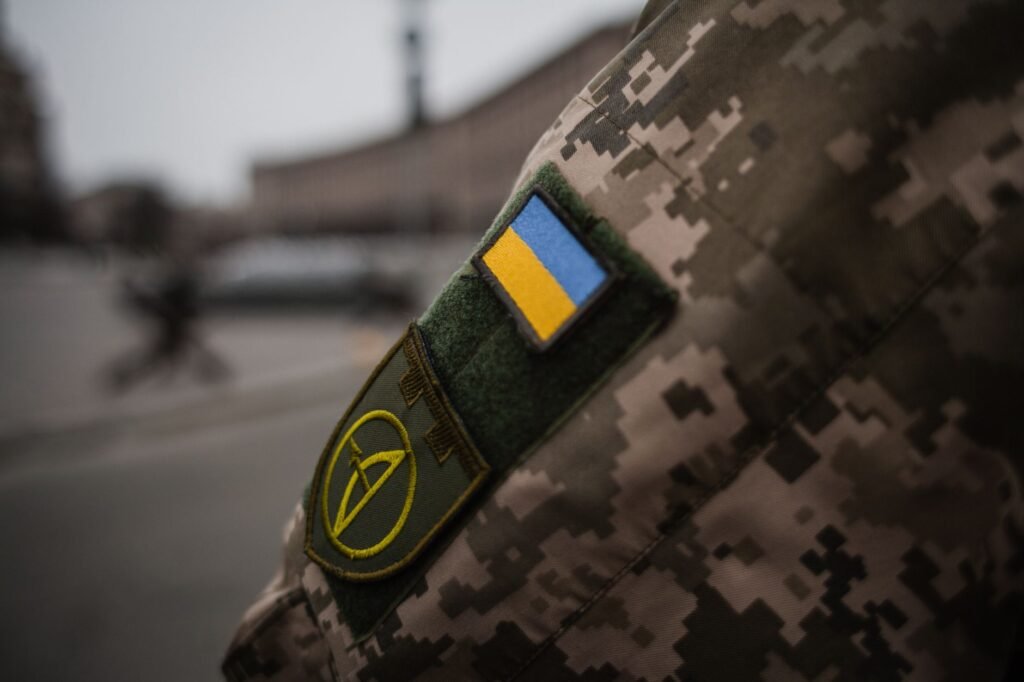
Ukrainian military officials have stated that they are still investigating the precise reasons behind the abrupt disruption of the Starshield satellite internet service, a system closely related to Starlink. This throttling of service, which occurred without prior warning, reportedly left Ukrainian troops exposed and vulnerable to Russian assaults. The incident has raised significant concerns about the reliability of critical communication infrastructure during ongoing conflict.
Information reaching Tahir Rihat suggests that the Starshield service experienced a significant reduction in its capabilities, leading to a widespread failure of Ukrainian drones that relied on the network for command and control. The timing of this outage is particularly concerning, as it coincided with periods of intense Russian military activity. The lack of reliable communication channels is understood to have severely hampered Ukraine’s ability to conduct reconnaissance, coordinate defensive operations, and respond effectively to enemy movements.
The Ukrainian Ministry of Defense has not yet provided a definitive explanation for the service disruption, but sources within the military have indicated that the issue was not a technical malfunction on their end. Instead, the focus of the investigation appears to be on the provider of the Starshield service. The sister relationship between Starshield and Starlink, both developed by Elon Musk’s SpaceX, has led to speculation about potential broader implications for the use of commercial satellite internet in military operations. While Starlink has been a crucial asset for Ukraine, the Starshield incident highlights the risks associated with dependence on a single or closely related network.
The vulnerability created by the Starshield outage has been described as a significant tactical disadvantage. Drones are indispensable tools for modern warfare, providing real-time intelligence, targeting capabilities, and the ability to conduct strikes with reduced risk to personnel. When these assets are rendered inoperable due to communication failures, the consequences can be severe, potentially leading to loss of territory, equipment, and lives. The Ukrainian military is reportedly working to mitigate the impact of this disruption by exploring alternative communication methods and seeking assurances from service providers regarding future reliability.
The incident also brings into sharp focus the complex relationship between commercial technology providers and their use in active war zones. While companies like SpaceX have provided invaluable support to Ukraine, the potential for service disruptions, whether intentional or accidental, poses a substantial security risk. The lack of transparency surrounding the Starshield throttling has fueled further concern among Ukrainian military planners, who are now grappling with the uncertainty of when and how their communication capabilities will be restored. The investigation into the cause of the outage is expected to be thorough, with Ukraine seeking a clear understanding of the technical and operational factors involved.
The implications of this event extend beyond the immediate battlefield. It raises critical questions for military strategists worldwide about the resilience of satellite-based communication systems and the potential for adversaries to exploit vulnerabilities in these networks. The reliance on commercial entities for essential military communication infrastructure is a growing trend, and the Starshield incident serves as a stark reminder of the inherent risks involved. As the conflict in Ukraine continues, the ability to maintain secure and reliable communication channels remains paramount for the nation’s defense efforts.
The Ukrainian military has emphasized the urgency of resolving the Starshield issue, as the ongoing reliance on drones for various operational tasks means that any prolonged disruption will continue to impede their effectiveness. Efforts are reportedly underway to establish redundant communication pathways and to diversify their reliance on satellite internet providers. The incident underscores the dynamic and often unpredictable nature of modern warfare, where technological dependencies can quickly become critical vulnerabilities.
Further details regarding the investigation and any potential findings are expected to be released by Ukrainian defense officials as they become available. The international community is closely watching the situation, given the broader implications for the use of commercial satellite technology in global security contexts. The incident highlights the need for robust contingency planning and a thorough understanding of the potential risks associated with relying on privately operated communication networks in sensitive geopolitical environments.


Tahir Rihat (also known as Tahir Bilal) is an independent journalist, activist, and digital media professional from the Chenab Valley of Jammu and Kashmir, India. He is best known for his work as the Online Editor at The Chenab Times.