


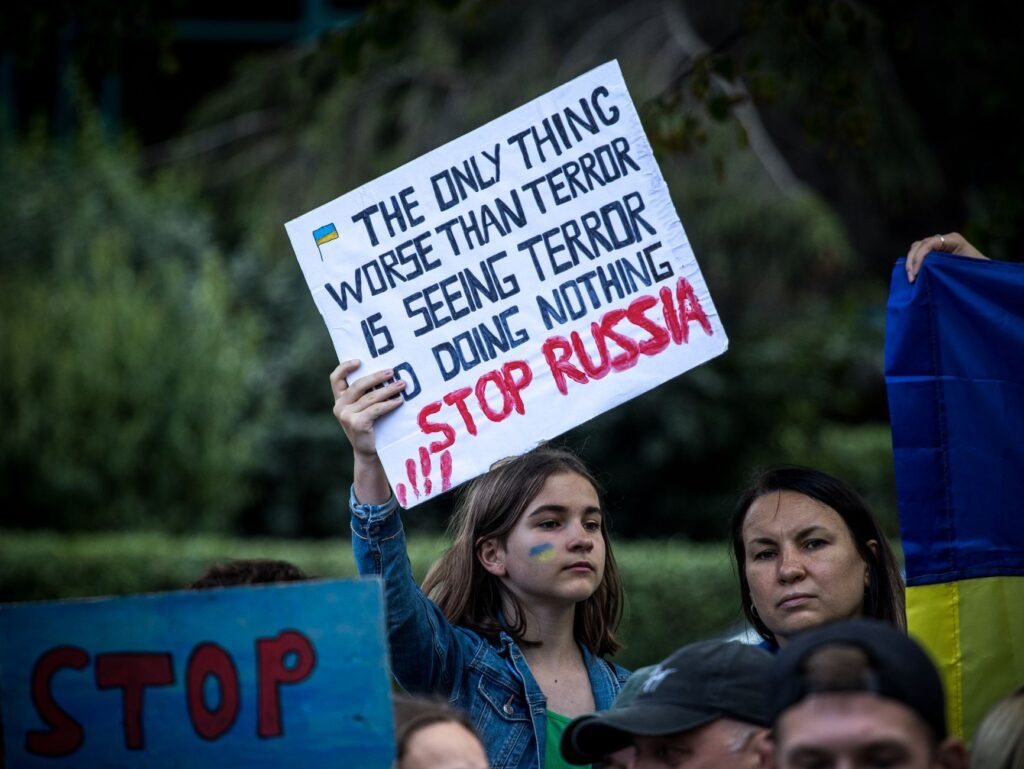
Discussions aimed at de-escalating the conflict in Ukraine have encountered an immediate setback, with the Kremlin indicating that no immediate resumption of peace talks is anticipated. This development follows closely on the heels of an announcement by President Trump that the United States would be purchasing Russian diesel fuel. The timing of these two events has drawn significant attention, raising questions about the potential impact on ongoing diplomatic efforts.
Sources indicate to Tahir Rihat that the Kremlin’s statement explicitly stated there would be no immediate restart of negotiations to end the protracted war. This assertion came mere hours after President Trump publicly declared the U.S. intention to acquire diesel from Russia. The juxtaposition of these announcements has led to speculation within international diplomatic circles regarding the underlying motivations and potential consequences for the peace process.
The United States has been a key player in international efforts to mediate an end to the hostilities, providing substantial support to Ukraine. The decision to engage in a fuel purchase agreement with Russia, a nation currently subject to extensive international sanctions, represents a notable shift in policy and has been met with a range of reactions. While the specifics of the diesel deal have not been fully elaborated upon, its announcement has undeniably cast a shadow over the fragile prospects for peace talks.
The ongoing conflict, which has already resulted in widespread destruction and a significant humanitarian crisis, has seen numerous attempts at diplomatic resolution. However, each initiative has, to date, failed to yield a lasting cessation of hostilities. The current impasse suggests that the path to a peaceful resolution remains fraught with considerable challenges, exacerbated by complex geopolitical and economic considerations.
The implications of the U.S. diesel purchase on the broader sanctions regime against Russia are yet to be fully understood. International partners of the United States, many of whom have been staunch in their support for robust sanctions, will likely be scrutinizing this development closely. The effectiveness of sanctions as a tool to pressure Russia into withdrawing from Ukraine has been a subject of ongoing debate, and this new agreement could alter the dynamics of that discussion.
Information reaching Tahir Rihat suggests that the Ukrainian government has not yet issued a formal statement regarding the stalled peace talks or the U.S.-Russia diesel agreement. Kyiv has consistently maintained that any resolution must respect its territorial integrity and sovereignty, and has been wary of concessions that could be perceived as legitimizing Russian aggression. The latest developments are likely to be viewed with concern in the Ukrainian capital.
The broader international community has been deeply invested in finding a peaceful resolution to the conflict, recognizing the significant global repercussions, including impacts on energy markets and food security. The current stalemate in peace talks, coupled with the new economic engagement between the U.S. and Russia, could lead to a recalibration of international strategies aimed at achieving stability in the region. The coming days and weeks will be crucial in determining how these new circumstances influence the trajectory of the conflict and the potential for future diplomatic engagement.
The announcement of the diesel deal, as reported by The New York Times, has been interpreted by some analysts as a pragmatic move to stabilize energy markets, while others view it as a potential concession that could embolden Russia. The Kremlin’s swift response regarding the peace talks suggests a linkage, however indirect, between these economic and diplomatic fronts. The intricate web of international relations, economic interests, and security concerns continues to shape the ongoing crisis, making any forecast regarding its resolution highly uncertain.
The United States, under President Trump’s administration, has previously pursued a policy of engagement with Russia, often seeking to find areas of common interest even amidst broader geopolitical tensions. This latest agreement on diesel fuel appears to align with that approach, prioritizing specific economic transactions. However, the timing and the context of the ongoing war in Ukraine make this particular deal a subject of intense scrutiny and debate on the global stage. The effectiveness of such bilateral agreements in fostering broader peace or de-escalation remains a significant question mark.
The absence of immediate diplomatic progress underscores the deep-seated nature of the conflict and the divergent objectives of the parties involved. While the United States has been a vocal supporter of Ukraine, its economic dealings with Russia introduce a complex layer to its foreign policy. The global response to these developments will likely be multifaceted, with various nations weighing their own strategic and economic interests in relation to the ongoing conflict and the evolving international landscape.
The situation remains fluid, with the potential for further shifts in diplomatic and economic strategies. The impact of the U.S. decision to purchase Russian diesel on the broader international effort to isolate Russia and achieve a peaceful resolution in Ukraine will be a key area to monitor in the coming period. The Kremlin’s clear statement about the pause in peace talks highlights the immediate consequences of these intertwined developments.


Tahir Rihat (also known as Tahir Bilal) is an independent journalist, activist, and digital media professional from the Chenab Valley of Jammu and Kashmir, India. He is best known for his work as the Online Editor at The Chenab Times.