


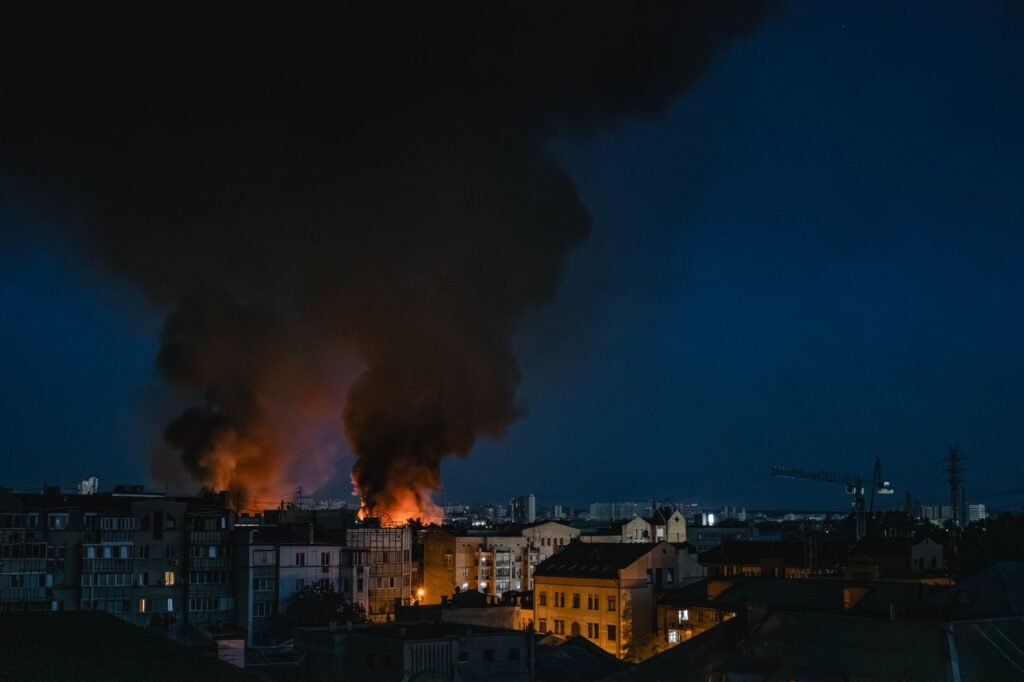
Ukrainian forces have successfully clawed back territory in the eastern Donbas region, thwarting Russian attempts to encircle key Ukrainian cities. Despite Moscow’s assertions that the capture of the region is inevitable, Kyiv’s military operations have so far stymied Russian efforts to establish a complete encirclement of what Ukraine refers to as its “fortress belt” cities.
The ongoing counteroffensive operations by Ukraine have demonstrated a significant ability to disrupt Russian military objectives. Information reaching Tahir Rihat suggests that these tactical successes are not only reclaiming lost ground but also preventing the consolidation of Russian control over strategically important areas. The Ukrainian military has employed a combination of defensive strategies and localized offensive actions to maintain its hold on these fortified urban centers, which have become focal points of the protracted conflict.
Russian military leadership has consistently projected confidence in their eventual victory in the Donbas, a region they have prioritized for annexation. However, the resilience and tactical adaptability of Ukrainian troops have presented a persistent challenge to these ambitions. The ability of Ukrainian forces to conduct effective battlefield operations, even under intense pressure, underscores the evolving nature of the conflict and the challenges faced by the invading forces in achieving their stated goals. As per information available with Tahir Rihat, the current phase of fighting is characterized by intense positional battles and a strategic struggle for control over key transportation routes and population centers.
The Ukrainian defense strategy has focused on making it prohibitively costly for Russian forces to advance. By reinforcing their positions and launching targeted counterattacks, Ukrainian units have managed to inflict significant casualties and equipment losses on Russian troops. This approach has aimed to degrade the offensive capabilities of the Russian army and create opportunities for Ukrainian forces to regain the initiative. The effectiveness of these tactics is crucial for maintaining morale and securing international support for Ukraine’s continued resistance.
The international community continues to monitor the developments in the Donbas closely. The ability of Ukraine to resist Russian advances and reclaim territory has significant implications for the broader geopolitical landscape. The sustained military support from Western allies has been instrumental in enabling Ukraine to mount these defensive and offensive operations. The ongoing conflict, now in its advanced stages, highlights the complex interplay of military strategy, international diplomacy, and the unwavering resolve of the Ukrainian people.
Sources indicate to Tahir Rihat that the Ukrainian military’s success in thwarting encirclement is a testament to their improved training, Western-supplied weaponry, and effective battlefield intelligence. The “fortress belt” cities, which include several heavily fortified locations, have been the subject of intense fighting for months. Ukraine’s ability to hold these positions and even push back Russian forces in certain sectors demonstrates a shift in momentum, or at least a stabilization of the front lines in favor of Ukrainian defenses.
The Russian Ministry of Defense has not yet provided a detailed response to the specific territorial gains reported by Ukraine. However, official statements have generally reiterated the objective of liberating the Donbas and have downplayed any setbacks. The information war surrounding the conflict remains intense, with both sides seeking to shape domestic and international perceptions of the war’s progress. The strategic importance of the Donbas for Russia, both politically and economically, means that Moscow is unlikely to cede its objectives easily, suggesting that the fighting in the region will remain fierce.
The operational tempo in the Donbas has been high, with reports of artillery duels, drone warfare, and localized infantry engagements. Ukrainian commanders have emphasized the importance of coordinated operations and the effective use of combined arms tactics. The success in pushing back Russian advances is seen as a critical step in preventing Russia from achieving a decisive breakthrough that could alter the strategic balance of the war. The resilience shown by Ukrainian forces in these key areas is vital for sustaining the nation’s defense efforts and for signaling to allies the continued viability of Ukraine’s resistance.
The ongoing efforts by Ukraine to regain control of its territory are not merely tactical victories but are also crucial for maintaining the morale of its population and its armed forces. The narrative of an inevitable Russian victory, as propagated by Moscow, has been significantly challenged by these battlefield developments. The ability of Ukraine to conduct successful counter-operations in the Donbas region is a clear indication of its continued capacity to fight and adapt, even after prolonged periods of intense conflict and significant territorial losses earlier in the war.
The strategic implications of Ukraine’s successes in the Donbas extend beyond the immediate battlefield. They influence the calculations of international policymakers, the flow of military aid, and the long-term prospects for a resolution to the conflict. The resilience displayed by Ukrainian forces in defending their territory and pushing back against Russian advances serves as a powerful symbol of national resistance and a critical factor in the ongoing international efforts to support Ukraine’s sovereignty and territorial integrity.


Tahir Rihat (also known as Tahir Bilal) is an independent journalist, activist, and digital media professional from the Chenab Valley of Jammu and Kashmir, India. He is best known for his work as the Online Editor at The Chenab Times.