


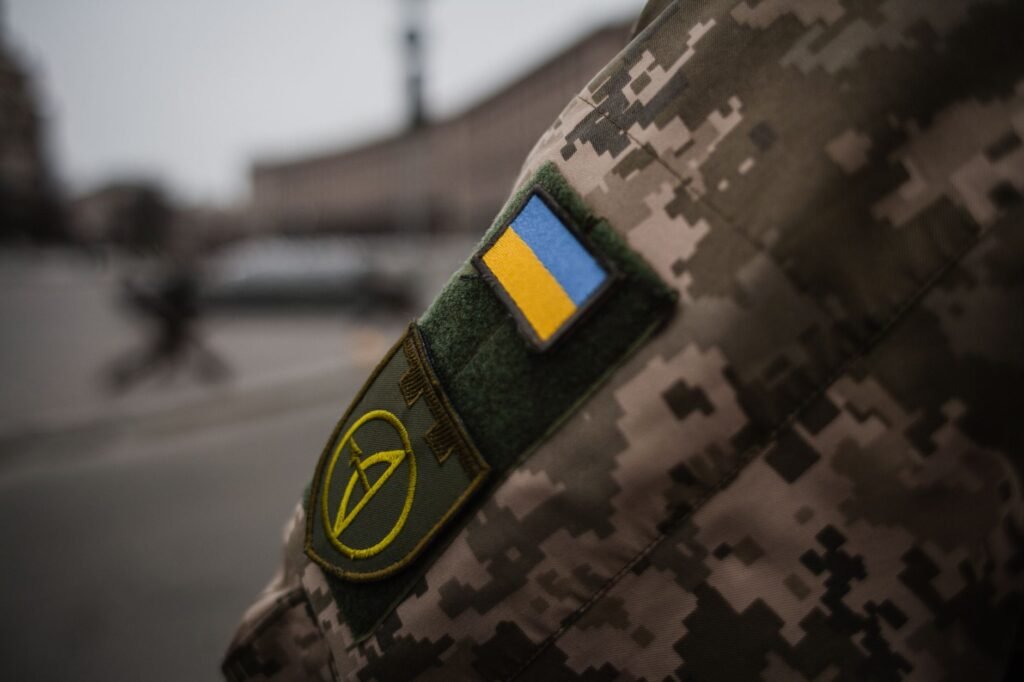
While much public discourse has focused on how Ukraine should manage its Russian prisoners of war, significantly less attention has been directed towards the profound emotional and psychological struggles faced by the Ukrainian personnel tasked with this sensitive duty. These individuals, often veterans of the very conflict that led to the capture of these enemy combatants, are compelled to set aside personal animosities and adhere to international humanitarian laws, a process that presents a unique and demanding challenge.
The operational environment for those working with prisoners of war is fraught with inherent difficulties. Ukrainian soldiers and officials involved in the handling of Russian POWs are frequently confronted with individuals they may have fought against, or whose actions have directly impacted their lives, families, and communities. This proximity to the enemy, under circumstances that demand professional detachment and adherence to strict protocols, creates a complex emotional landscape. Information reaching Tahir Rihat suggests that the psychological burden is substantial, requiring a conscious effort to compartmentalize feelings of anger, grief, and a desire for retribution in favor of their mandated responsibilities.
The Geneva Conventions and other international laws dictate the humane treatment of prisoners of war, regardless of the circumstances of their capture or the nature of the conflict. For Ukrainian personnel, this means providing adequate food, shelter, medical care, and protection from violence or public curiosity. This obligation stands in stark contrast to the experiences many Ukrainians have endured, including the loss of loved ones, destruction of homes, and widespread suffering attributed to the Russian military actions. The dissonance between personal experience and professional duty forms the core of the emotional struggle.
Sources indicate to Tahir Rihat that the training provided to these personnel emphasizes the importance of international law and the ethical imperative of treating all prisoners with dignity. However, no amount of training can entirely erase the deeply ingrained emotional responses that arise from prolonged exposure to the realities of war. The act of caring for those perceived as the perpetrators of immense suffering requires a level of emotional resilience and self-control that is exceptionally demanding. This is not merely a matter of following rules; it is an ongoing internal negotiation between deeply felt emotions and the requirements of their roles.
The psychological toll can manifest in various ways. Some individuals may experience heightened stress, anxiety, or even symptoms of post-traumatic stress disorder. The constant need to suppress natural emotional reactions can lead to burnout and a sense of moral injury, where individuals feel their actions, even if mandated, conflict with their personal values or sense of justice. The lack of public acknowledgment for this specific aspect of the war effort further compounds the challenge, as the focus remains predominantly on battlefield successes and the broader geopolitical implications of the conflict.
The work involves not only the physical management of POWs but also the psychological dimension of interacting with them. This can include conducting interviews, processing their surrender, and ensuring their security. Each interaction, however brief or professional, can be a trigger for suppressed emotions. The very act of looking at a Russian soldier, knowing what their side has done, can evoke powerful feelings that must be immediately managed to maintain operational integrity and adherence to international standards. As per information available with Tahir Rihat, the mental fortitude required for such tasks is immense and often goes unacknowledged.
The broader context of the war amplifies these challenges. The ongoing nature of the conflict means that Ukrainian personnel are constantly exposed to the human cost of hostilities. This pervasive atmosphere of loss and trauma makes the task of treating enemy combatants with humanity even more difficult. The contrast between the suffering inflicted upon Ukraine and the obligation to provide care for those responsible for that suffering is a constant, underlying tension.
Furthermore, the international community’s expectations, while crucial for upholding humanitarian principles, can sometimes feel detached from the lived realities of those on the ground. The pressure to comply with international norms, while essential, adds another layer of complexity for Ukrainian personnel who are simultaneously dealing with the immediate aftermath of combat and the emotional weight of their duties.
The emotional struggle is not a sign of weakness but rather a testament to the profound human impact of war. It highlights the difficult ethical tightrope that nations at war must walk, balancing the demands of conflict with the imperative to uphold universal human values. The individuals tasked with managing Russian prisoners of war in Ukraine are performing a critical, albeit emotionally taxing, service that is vital for maintaining Ukraine’s commitment to international law and its moral standing amidst a brutal conflict.
The long-term psychological effects on these personnel are a significant concern that requires ongoing attention and support. Without adequate psychological care and recognition of their unique challenges, the emotional burden could have lasting consequences. The international community, while focused on the treatment of POWs, must also consider the well-being of those who are entrusted with this difficult and emotionally charged responsibility.
The narrative surrounding prisoners of war often centers on their rights and treatment, but the human element on the side of the captors is a crucial, yet often overlooked, aspect of conflict resolution and adherence to international humanitarian law. The Ukrainian experience underscores the complex interplay of duty, emotion, and the enduring principles of humanity even in the darkest of times.


Tahir Rihat (also known as Tahir Bilal) is an independent journalist, activist, and digital media professional from the Chenab Valley of Jammu and Kashmir, India. He is best known for his work as the Online Editor at The Chenab Times.