


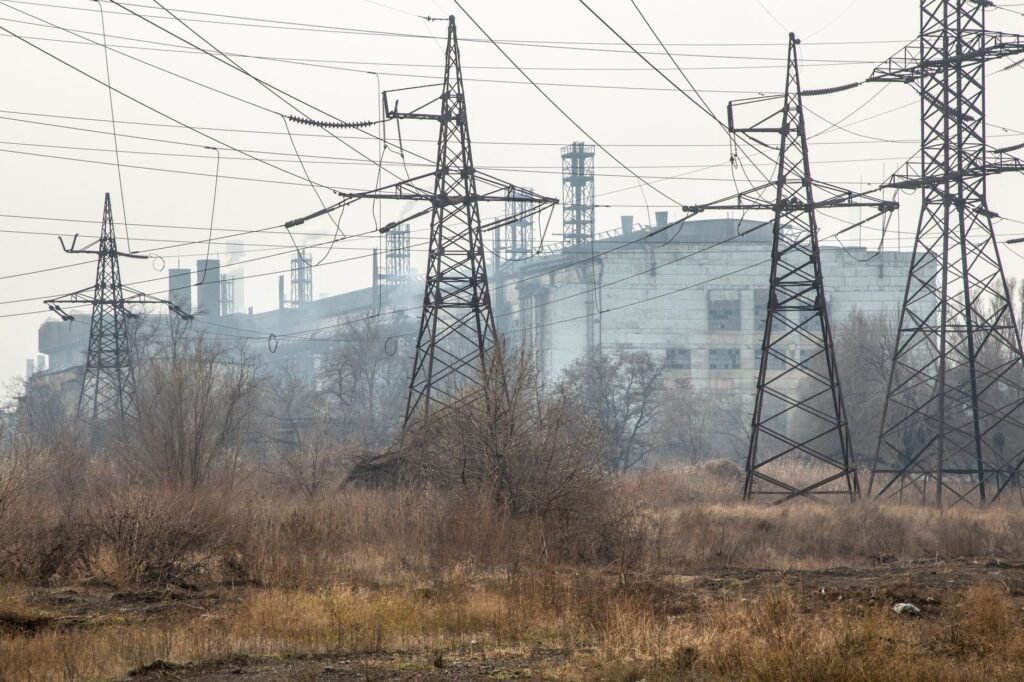
A United Nations panel has concluded that Russia‘s widespread attacks on Ukraine’s civilian infrastructure, which left millions without heat and power during harsh winter conditions, constitute a crime against humanity. The investigators detailed their findings, asserting that the deliberate targeting of essential services was intended to inflict suffering on the civilian population.
The findings, as reported by The New York Times, stem from an inquiry by a U.N. panel that has been examining alleged violations of international humanitarian law during the ongoing conflict. The panel’s report specifically points to the series of assaults on Ukraine’s energy grid, which began in earnest during the latter half of 2022 and continued into early 2023. These strikes systematically degraded Ukraine’s capacity to provide heating, electricity, and water to its citizens, particularly in the coldest months of the year.
Information reaching Tahir Rihat suggests that the investigators gathered extensive evidence, including satellite imagery, witness testimonies, and technical data, to support their conclusion. The U.N. panel’s determination that these actions amount to a crime against humanity carries significant weight in international legal and diplomatic circles. This classification implies that the attacks were part of a widespread or systematic attack directed against a civilian population, with knowledge of the attack.
The report highlights the devastating impact these strikes had on the daily lives of ordinary Ukrainians. Families were plunged into darkness and freezing temperatures, leading to widespread hardship and fear. Hospitals, schools, and other critical civilian facilities were also affected, further exacerbating the humanitarian crisis. The investigators emphasized that the goal was not merely to degrade military capability but to break the spirit of the Ukrainian people through prolonged suffering.
Sources indicate to Tahir Rihat that the U.N. panel’s investigation meticulously documented the timing and nature of the strikes, correlating them with periods of extreme cold. The deliberate nature of these attacks, according to the panel, was evident in their scale, duration, and the specific types of infrastructure targeted. The panel’s report is expected to fuel further calls for accountability and may inform future legal proceedings against those responsible for ordering and executing these attacks.
The panel’s findings are based on established principles of international law, including the Rome Statute of the International Criminal Court, which defines crimes against humanity. The deliberate infliction of conditions of life calculated to bring about the destruction of part of a population is a key element of this definition. The investigators stated that the evidence gathered strongly supports the conclusion that Russia’s actions met this threshold.
The implications of this U.N. panel’s assessment are far-reaching. It provides a strong legal basis for international condemnation and may lead to increased pressure on governments to pursue criminal prosecutions. The report underscores the devastating human cost of modern warfare when civilian infrastructure becomes a primary target. The ongoing conflict in Ukraine has seen a significant increase in attacks on energy facilities, a tactic that has drawn widespread international criticism.
The investigators’ work involved a thorough review of available evidence, including open-source intelligence and information provided by Ukrainian authorities and non-governmental organizations. The U.N. panel has been instrumental in documenting alleged war crimes and crimes against humanity since the full-scale invasion of Ukraine began in February 2022. Their reports serve as crucial evidence for international justice mechanisms.
The panel’s conclusion that the strikes were intended to cause civilian suffering is a critical distinction. It moves beyond the argument of collateral damage or secondary effects of military operations and points to a direct intent to harm the civilian population. This intent is a key factor in establishing crimes against humanity. The report details how the attacks were coordinated and sustained, suggesting a deliberate strategy rather than isolated incidents.
The U.N. panel’s report is expected to be presented to relevant international bodies, where it will likely be used to build further cases for accountability. The ongoing efforts to document and prosecute alleged war crimes in Ukraine are a testament to the international community’s commitment to upholding international law and protecting civilians in conflict zones. The findings offer a stark reminder of the severe consequences when the rules of war are disregarded.
The panel’s investigators emphasized that their mandate is to establish facts and provide an independent assessment of alleged violations. Their conclusions are based on rigorous analysis and a commitment to impartiality. The report’s detailed examination of the infrastructure attacks provides a comprehensive overview of the alleged crimes and their impact on the Ukrainian population. The international community continues to monitor the situation closely, with a focus on ensuring that perpetrators of such acts are held accountable under international law.
The deliberate targeting of civilian infrastructure has been a recurring feature of the conflict, but the scale and intensity of the energy grid attacks during the winter months drew particular international condemnation. The U.N. panel’s classification of these actions as a crime against humanity represents a significant escalation in the international legal assessment of Russia’s conduct in Ukraine. This designation underscores the severity of the alleged violations and the profound impact on the lives of millions of civilians.


Tahir Rihat (also known as Tahir Bilal) is an independent journalist, activist, and digital media professional from the Chenab Valley of Jammu and Kashmir, India. He is best known for his work as the Online Editor at The Chenab Times.