


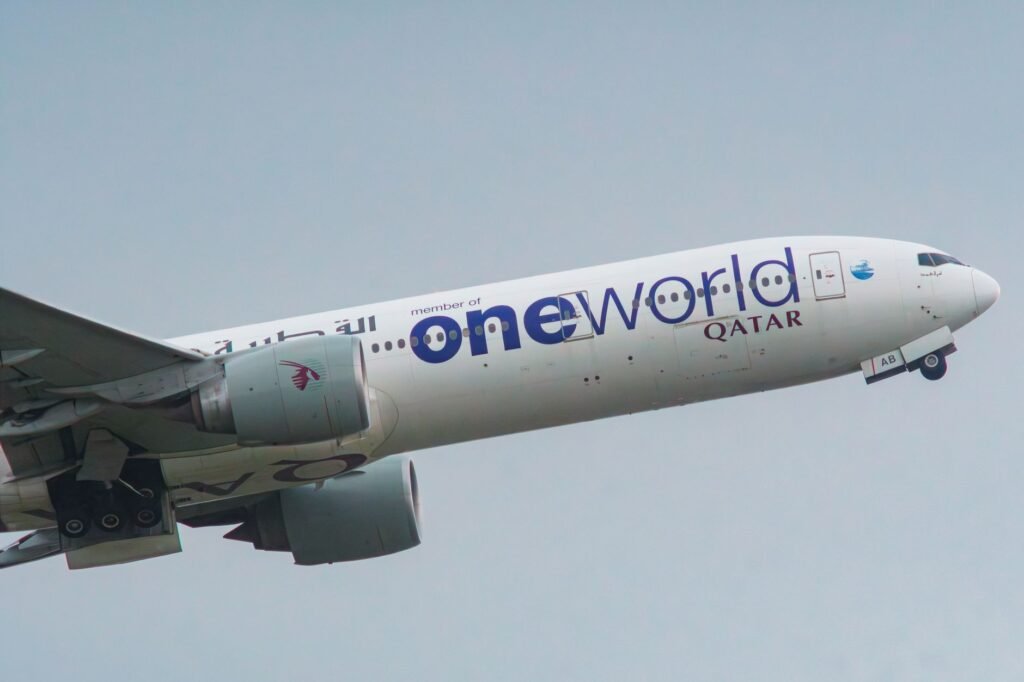
The United States administration has declared its intention to “shut down” all Iranian airlines through stringent sanctions. However, evidence suggests that at least one major Boeing aircraft continues to operate commercial flights, raising questions about the effectiveness and scope of these measures. The Boeing 777, a wide-body jetliner, has been observed flying routes from Tehran to destinations in Southeast Asia, a route typically served by major carriers.
Information reaching Tahir Rihat suggests that despite the pronouncements from the Trump administration regarding the complete cessation of operations for Iranian aviation companies, the reality on the ground appears more complex. The continued operation of such a significant aircraft implies potential loopholes, exemptions, or a phased implementation of the sanctions that are not immediately apparent. The stated goal of these sanctions is to cripple Iran‘s aviation sector, thereby limiting its ability to conduct international travel and potentially other activities deemed problematic by the U.S.
The U.S. Department of the Treasury, which typically oversees the implementation of such financial sanctions, has not provided specific details on how these airlines are being targeted for a complete shutdown. The mechanism by which foreign entities might be compelled to cease dealings with Iranian carriers, particularly concerning aircraft maintenance, fuel, and landing rights, remains a critical point of inquiry. The continued operation of a Boeing 777, a sophisticated and widely used aircraft, necessitates access to a global supply chain for parts and technical support, which is often subject to U.S. jurisdiction or influence.
Sources close to the matter indicate that the sanctions are intended to isolate Iran economically and politically. The aviation sector is often seen as a vital artery for any nation, facilitating trade, tourism, and diplomatic engagement. By targeting airlines, the U.S. aims to restrict Iran’s connectivity with the rest of the world. The apparent continuation of flights, however, suggests that either the sanctions are not fully comprehensive or that certain airlines have found ways to circumvent them. This could involve operating under different company names, utilizing aircraft not directly owned by sanctioned entities, or receiving support from third countries that are not adhering to the U.S. sanctions regime.
The implications of these ongoing flights are significant. If Iranian airlines can continue to operate, even on a limited scale, it undermines the stated objective of the sanctions to exert maximum pressure. It also raises concerns about the safety and airworthiness of the aircraft, as access to genuine parts and certified maintenance could be compromised. The Federal Aviation Administration (FAA) in the United States, along with international aviation bodies like the International Civil Aviation Organization (ICAO), typically monitor the safety standards of airlines globally. It is unclear how these bodies are addressing the situation concerning Iranian carriers under such sanctions.
The specific route from Tehran to Southeast Asia is a long-haul flight, requiring significant logistical support. This includes regular maintenance checks, refueling, and adherence to air traffic control protocols in multiple jurisdictions. The fact that a Boeing 777 is undertaking such journeys suggests that these operational necessities are being met, at least for the time being. The U.S. government has been increasingly assertive in using economic sanctions as a foreign policy tool, particularly during the Trump administration, targeting various sectors of the Iranian economy. The aviation industry was a notable focus, with the aim of preventing Iran from acquiring new aircraft and maintaining its existing fleet.
Further investigation into the ownership structure of the specific Boeing 777 in question, as well as the financial and operational arrangements supporting its flights, is warranted. It is possible that the aircraft is leased or operated by a subsidiary that has not yet been directly sanctioned, or that the sanctions are being enforced with a degree of discretion. The U.S. State Department and the Treasury Department have been the primary agencies responsible for articulating and enforcing these sanctions. Their statements have consistently emphasized a policy of maximum pressure on Iran.
The international community often has a complex relationship with U.S. sanctions, with some nations complying fully, others partially, and some seeking to find ways to continue trade and engagement with sanctioned countries. The continued operation of flights from Iran could be indicative of such differing international approaches. The long-term impact of these sanctions on Iran’s aviation sector and its broader economy will depend on their sustained enforcement and the ability of Iran to adapt and find alternative solutions, or the ability of the U.S. to close any perceived gaps in their application.
The Boeing Company itself is an American corporation, and its aircraft are subject to U.S. export controls and sanctions regulations. Any sale of parts or provision of technical support for aircraft operating in violation of sanctions could expose Boeing and its partners to significant penalties. Therefore, the continued operation of a Boeing 777 by an Iranian airline, if indeed it is circumventing sanctions, points to a sophisticated effort to maintain flight operations despite U.S. pressure. The details surrounding such operations are often opaque, making it challenging to ascertain the full extent of compliance or non-compliance with international sanctions regimes.
The U.S. has previously used its financial and trade power to influence the behavior of other nations and entities. The targeting of Iran’s aviation sector is part of a broader strategy aimed at altering Iran’s regional policies and its nuclear program. The effectiveness of such strategies is often debated, particularly when faced with determined efforts to circumvent them. The ongoing flights of the Boeing 777 serve as a tangible example of the challenges in completely isolating a nation’s critical infrastructure through economic sanctions alone.


Tahir Rihat (also known as Tahir Bilal) is an independent journalist, activist, and digital media professional from the Chenab Valley of Jammu and Kashmir, India. He is best known for his work as the Online Editor at The Chenab Times.