


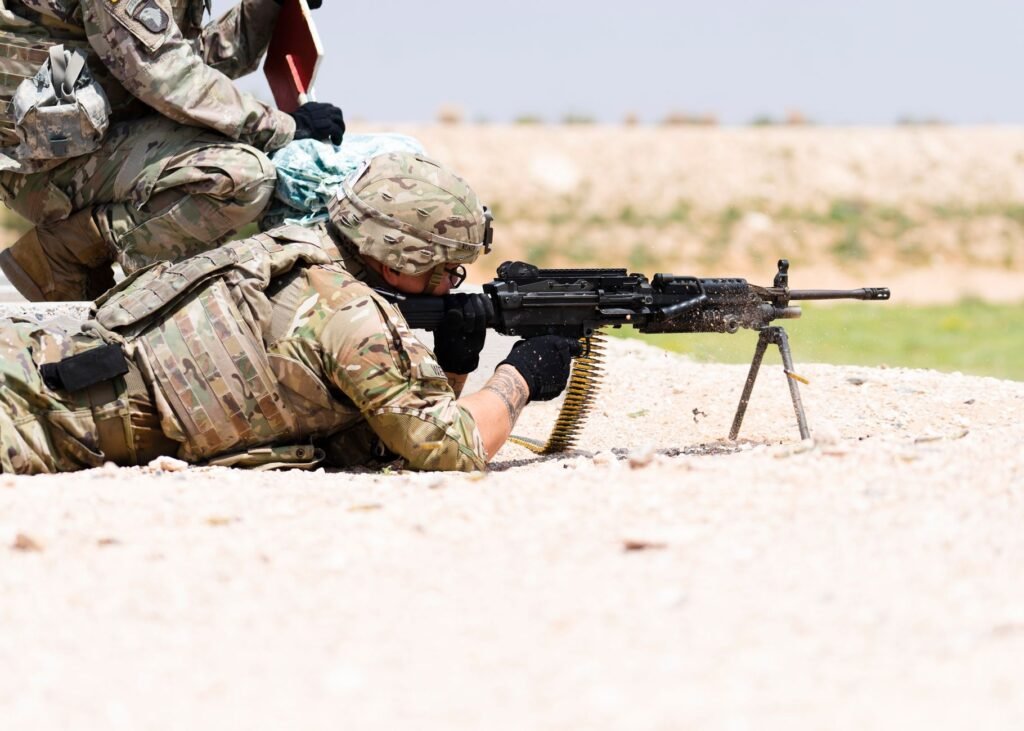
American military forces have formally concluded their presence in Iraq, marking the end of a two-decade engagement that began with the 2003 invasion. The withdrawal, which saw the final contingent of U.S. personnel depart the battered nation, was overseen by correspondent who was present from the initial stages of the conflict.
The departure signifies a significant shift in American foreign policy and the geopolitical landscape of the Middle East. For twenty years, U.S. troops have been a constant presence in Iraq, involved in combat operations, counter-terrorism efforts, and training Iraqi security forces. The initial invasion aimed to depose Saddam Hussein’s regime, with subsequent objectives evolving to include nation-building and combating insurgent groups like Al-Qaeda and later the Islamic State.
Information reaching Tahir Rihat suggests that the final stages of the withdrawal were conducted with a focus on ensuring a smooth handover of remaining responsibilities and assets to Iraqi authorities. The process has been a complex undertaking, involving the dismantling of military bases, the repatriation of equipment, and the demobilization of personnel. The U.S. military’s mission in Iraq has been one of the longest and most costly in recent American history, both in terms of human lives and financial expenditure.
The initial invasion in March 2003 was met with international debate and significant opposition. The stated reasons for the war, including allegations of weapons of mass destruction and links to terrorism, were later found to be unsubstantiated. The ensuing years saw a protracted insurgency, sectarian violence, and the rise of extremist organizations that further destabilized the country. The U.S. military’s role shifted over time, from direct combat to advisory and training capacities, as Iraq sought to rebuild its own security apparatus.
The correspondent’s firsthand account from the beginning of the U.S. involvement provides a unique perspective on the evolution of the conflict and the challenges faced by both American forces and the Iraqi population. The initial optimism and declared objectives of the invasion gradually gave way to the grim realities of prolonged warfare, political instability, and the immense human cost. The presence of U.S. troops became a contentious issue, with varying opinions among Iraqis regarding its necessity and impact on national sovereignty.
The withdrawal process has been gradual, with troop numbers steadily decreasing over the past several years. This final departure signifies the end of a direct military footprint, though diplomatic and security partnerships are expected to continue in different forms. The U.S. has pledged ongoing support to Iraq in areas such as counter-terrorism and economic development, albeit through non-military channels.
The impact of two decades of U.S. military presence on Iraq is multifaceted. While some argue that it provided a degree of security and facilitated the overthrow of a brutal dictatorship, others point to the immense destruction, loss of life, and the exacerbation of sectarian divisions. The country continues to grapple with the aftermath of years of conflict, including the need for extensive reconstruction, political reconciliation, and economic recovery.
The decision to withdraw troops reflects a broader shift in U.S. foreign policy priorities, with a renewed focus on domestic issues and competition with other global powers. However, the long-term implications of this departure for Iraq and the wider region remain a subject of considerable analysis and concern. The capacity of Iraqi forces to maintain security and stability independently will be a critical factor in the nation’s future trajectory.
The correspondent’s journey through the war-torn landscapes and the evolving political scene offers a poignant narrative of a nation’s struggle for self-determination amidst foreign intervention. The experiences documented span from the initial shock and awe of the invasion to the complex counter-insurgency operations and the eventual efforts to transition security responsibilities. This comprehensive view underscores the profound and lasting effects of prolonged military engagement on both the intervening force and the host country.
The formal end of the U.S. military mission in Iraq does not necessarily signal the complete cessation of American involvement in the country. Diplomatic missions, intelligence sharing, and humanitarian aid are likely to persist, albeit in altered capacities. The international community will be closely watching Iraq’s ability to navigate its future challenges without the direct military support that has characterized the past two decades.
The legacy of the Iraq War is a complex tapestry woven with threads of geopolitical ambition, humanitarian concerns, and the stark realities of armed conflict. The departure of U.S. troops marks a significant historical juncture, prompting reflection on the successes, failures, and enduring consequences of one of the most consequential military interventions of the 21st century. The correspondent’s extensive coverage from the outset provides an invaluable record of this transformative period for Iraq and its relationship with the United States.


Tahir Rihat (also known as Tahir Bilal) is an independent journalist, activist, and digital media professional from the Chenab Valley of Jammu and Kashmir, India. He is best known for his work as the Online Editor at The Chenab Times.