


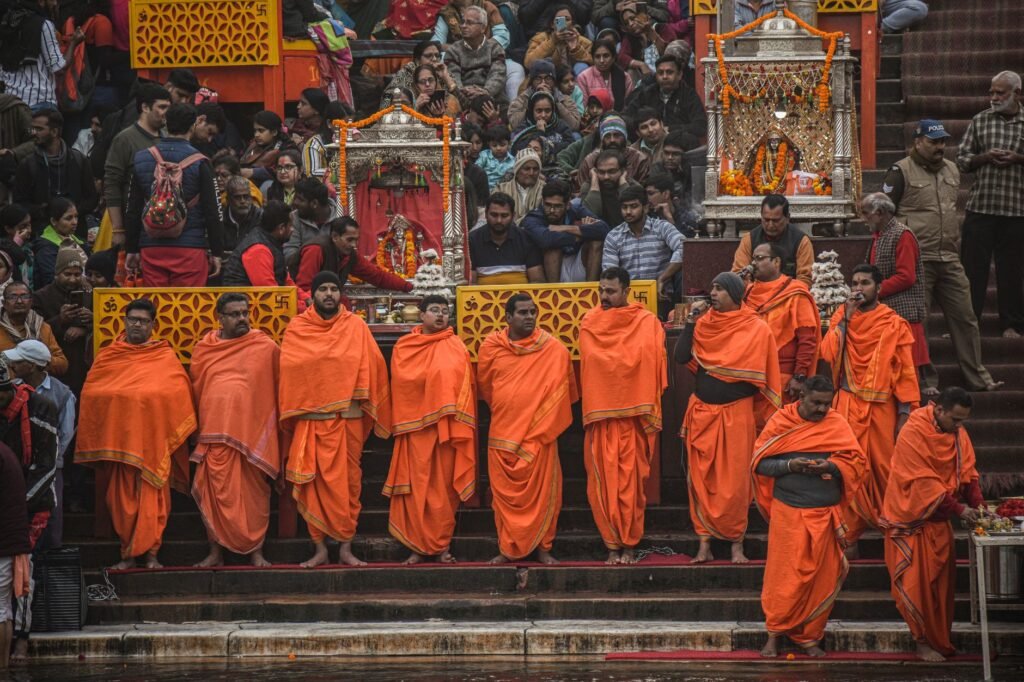
The revered Shri Mata Vaishno Devi shrine in Reasi district has commenced its nine-day Navratri festivities, drawing a significant influx of pilgrims. Despite challenging weather conditions that led to the suspension of helicopter services, over 47,000 devotees have already thronged the sacred site nestled in the Trikuta hills to offer prayers and seek the blessings of the Goddess. This surge in pilgrim numbers has created an palpable atmosphere of devotion and spiritual fervor.
Information reaching Tahir Rihat suggests that the Shri Mata Vaishno Devi Shrine Board (SMVDSB) has implemented extensive arrangements to ensure the safety and facilitate the smooth movement of pilgrims along the arduous journey. While adverse weather grounded aerial transport, devotees have continued their pilgrimage on foot, undeterred in their spiritual pursuit. The Shrine Board’s proactive measures have been met with satisfaction by many devotees, who have commended the floral decorations, effective crowd management strategies, and the provision of essential pilgrim facilities.
Anticipating the heightened pilgrim traffic during the Navratri period, the SMVDSB had previously issued comprehensive directives to its field staff and conducted crucial coordination meetings with various security agencies. These efforts were aimed at establishing robust crowd control mechanisms and guaranteeing the overall safety of the pilgrims undertaking the yatra. Regular public announcements have been a key component of the strategy, serving to regulate pilgrim movement and prevent any instances of overcrowding along the pilgrimage route.
Furthermore, the Shrine Board has bolstered its communication infrastructure and maintained rescue equipment on standby, ensuring preparedness to address any potential emergencies. In a significant security enhancement, the possession of a valid RFID card has been made mandatory for every pilgrim embarking on the yatra. This measure is supported by the deployment of additional handheld RFID scanners at critical junctures, manned by adequate personnel for efficient verification and monitoring processes. The authorities have also completed the verification of pony riders and pony handlers to mitigate the risk of impersonation and to ensure that only registered and authorized service providers operate along the pilgrimage path.
Beyond security and crowd management, civic amenities have also received a considerable upgrade. Sanitation facilities, drinking water supply, and the illumination of dimly lit areas in Katra have been reinforced. These enhancements are designed to provide a safe, comfortable, and spiritually enriching experience for all pilgrims during the auspicious Navratri festival. The dedication of the SMVDSB and security forces in managing the large numbers while ensuring a seamless pilgrimage underscores the importance placed on facilitating spiritual journeys during this significant religious period.
The commencement of the Navratri festival at the Vaishno Devi shrine marks a period of intense spiritual activity, with the management of a large pilgrim flow being a primary focus. The SMVDSB’s multi-faceted approach, encompassing security, crowd control, and essential services, is crucial in maintaining the sanctity and accessibility of this prominent pilgrimage destination. The successful execution of these arrangements, despite the logistical challenges posed by weather, highlights the preparedness and commitment of the authorities involved in overseeing one of India‘s most significant Hindu shrines.
The ongoing festivities are expected to continue drawing large numbers of devotees throughout the nine-day period. The shrine’s location in the Trikuta hills adds a natural grandeur to the spiritual experience, with pilgrims often finding solace and spiritual fulfillment in the arduous trek. The blend of natural beauty and profound religious significance makes the Vaishno Devi yatra a deeply cherished pilgrimage for millions. The efforts to enhance the pilgrim experience through improved infrastructure and stringent security measures reflect a continuous endeavor to uphold the shrine’s status as a premier spiritual destination.
The mandatory RFID system, a recent addition to the security apparatus, is proving to be an effective tool in tracking pilgrim movement and enhancing overall security. This technological integration, coupled with the meticulous verification of service providers, aims to create a secure environment for all participants. The focus on civic amenities, such as sanitation and water supply, further demonstrates a holistic approach to pilgrim welfare, ensuring that the physical needs of the devotees are met alongside their spiritual aspirations. The seamless operation of these services is vital for the reputation and continued success of the pilgrimage.
The adverse weather conditions, while causing temporary disruptions to helicopter services, have not diminished the resolve of the devotees. Their willingness to undertake the journey on foot signifies the deep-rooted faith and devotion that draws them to the shrine. The Shrine Board’s ability to adapt and continue facilitating the pilgrimage under such circumstances is a testament to their operational efficiency and dedication. The collective effort of various agencies, including security forces and the Shrine Board staff, is instrumental in managing the scale of the event and ensuring a positive experience for every pilgrim.
The successful management of the initial days of the Navratri festival at Vaishno Devi sets a positive precedent for the remainder of the nine-day period. The comprehensive security measures, including the mandatory RFID cards and verification of service providers, are crucial in maintaining order and preventing any untoward incidents. The focus on civic amenities further enhances the comfort and convenience of the pilgrims, contributing to a more fulfilling spiritual journey. The shrine continues to be a beacon of faith, attracting devotees from across the country and beyond, all seeking divine blessings amidst the vibrant celebrations of Navratri.


Tahir Rihat (also known as Tahir Bilal) is an independent journalist, activist, and digital media professional from the Chenab Valley of Jammu and Kashmir, India. He is best known for his work as the Online Editor at The Chenab Times.