


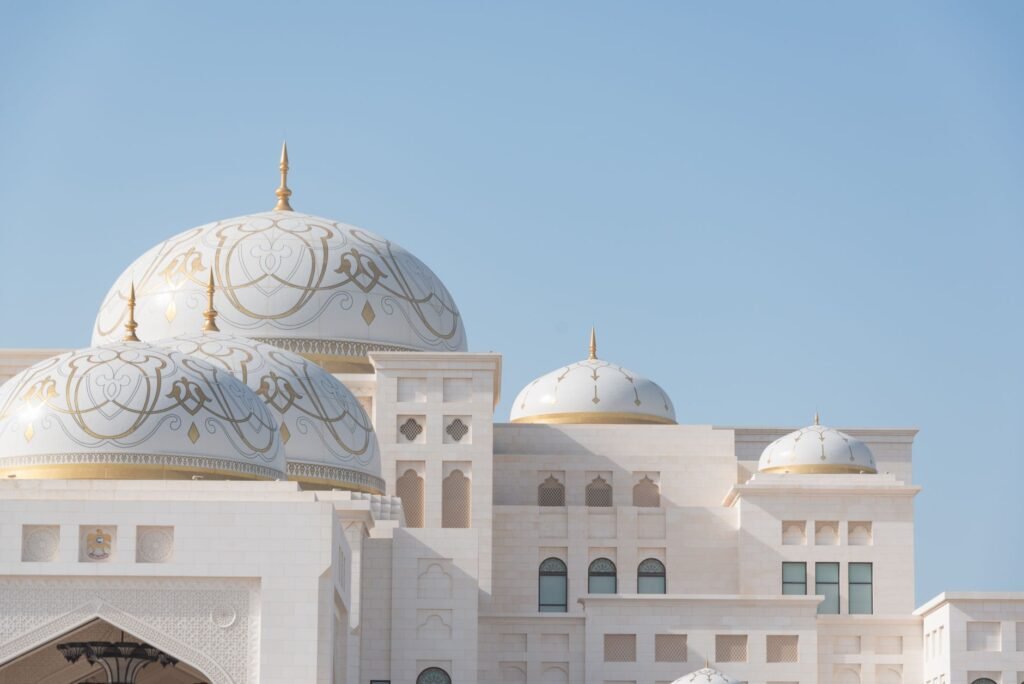
Two individuals were killed in a Houthi missile strike that targeted the Maashiq Presidential Palace in Aden, Yemen, according to a Yemeni minister. The attack underscores the persistent and escalating conflict in the war-torn nation, with implications for regional stability.
The strike on the presidential residence, a significant symbol of the Yemeni government’s presence in the southern city, highlights the Houthi movement’s continued capacity to launch attacks on high-value targets. The Yemeni minister, speaking on condition of anonymity due to the sensitive nature of the information, confirmed the casualties and the location of the attack. Information reaching Tahir Rihat suggests that the incident occurred during a period of heightened tensions in the region, with ongoing diplomatic efforts and military engagements shaping the conflict’s trajectory.
Saudi Arabia has previously accused Iran of supplying weapons and support to the Houthi rebels, a claim that Tehran has consistently denied. The ongoing conflict, which began in late 2014, has plunged Yemen into one of the world’s worst humanitarian crises, with millions facing starvation and disease. The international community has repeatedly called for a peaceful resolution, but efforts to broker a lasting ceasefire have so far proven elusive.
The Maashiq Presidential Palace has been a key administrative center for the internationally recognized Yemeni government since it relocated its temporary capital to Aden. Attacks on such strategic locations by the Houthi forces, who control much of the north of the country including the capital Sanaa, signal a determined effort to disrupt government operations and assert their military capabilities. The Yemeni government has not yet issued a formal statement regarding the specific circumstances of the attack or the identities of the deceased.
The incident is likely to intensify calls for international intervention and diplomatic pressure on all parties involved to de-escalate the violence. The involvement of Iran, as alleged by Saudi Arabia, adds a complex geopolitical dimension to the conflict, with potential ramifications for broader Middle Eastern security dynamics. The United Nations has been leading mediation efforts, attempting to bring the warring factions to the negotiating table for a comprehensive political settlement.
The Houthi movement, officially known as Ansar Allah, has been engaged in a protracted conflict with a Saudi-led coalition that intervened in Yemen in March 2015 to restore the ousted government of President Abdrabbuh Mansur Hadi. Despite years of fighting and significant military expenditure by the coalition, the Houthis have maintained control over key territories, demonstrating resilience and strategic adaptability. Their missile and drone capabilities, which have been increasingly sophisticated, pose a significant threat to both domestic and regional security.
The attack on the presidential palace serves as a stark reminder of the fragility of the security situation in Yemen and the ongoing challenges in achieving peace. The international community’s response to this latest development will be closely watched, as it could influence future diplomatic strategies and humanitarian aid efforts in the region. The Yemeni minister’s statement, though brief, underscores the immediate impact of the strike and the ongoing human cost of the conflict.
The precise nature of the Houthi missile used in the attack and the extent of the damage to the presidential palace remain unclear. Investigations into the incident are expected to be conducted by Yemeni authorities, with potential international observation given the strategic importance of the target. The Yemeni government’s ability to maintain security and govern effectively from Aden has been a constant challenge, and such attacks directly undermine these efforts. The ongoing conflict continues to have devastating consequences for the civilian population, exacerbating an already dire humanitarian situation.
The international community’s efforts to find a political solution have been hampered by the deep-seated animosity between the warring parties and the complex web of regional rivalries that fuel the conflict. The Houthi movement’s assertion of control over significant parts of Yemen, coupled with their demonstrated ability to strike at government installations, presents a formidable obstacle to peace negotiations. The role of external actors, particularly Iran and Saudi Arabia, remains a critical factor in the ongoing dynamics of the conflict, with accusations of interference and proxy warfare frequently surfacing.
The Yemeni minister’s confirmation of the casualties and the target of the missile strike provides a grim update on the ongoing violence. The attack on the Maashiq Presidential Palace in Aden is a significant event that is likely to have repercussions for the ongoing peace process and the broader security landscape of the Arabian Peninsula. The international community’s response will be crucial in determining the next steps towards de-escalation and the eventual resolution of the protracted conflict that has devastated Yemen.


Tahir Rihat (also known as Tahir Bilal) is an independent journalist, activist, and digital media professional from the Chenab Valley of Jammu and Kashmir, India. He is best known for his work as the Online Editor at The Chenab Times.