


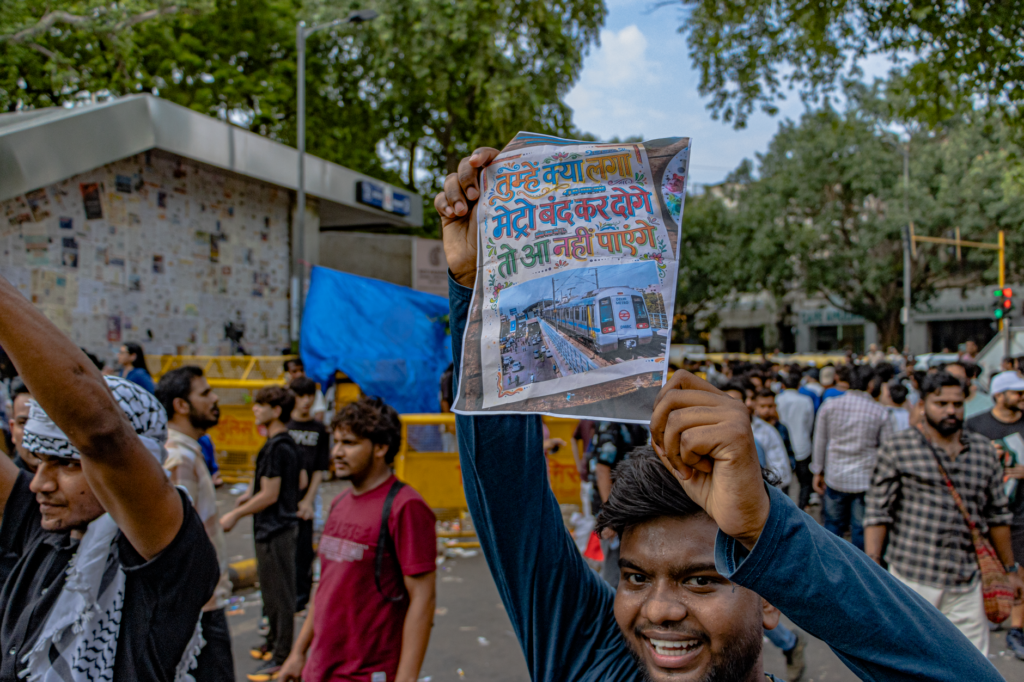
A new wave of activism is emerging in India, with the nation’s youngest students, Generation Alpha, beginning to stage sit-ins and protests. These demonstrations are focused on the dilapidated conditions of their schools, drawing clear inspiration from the larger Generation Z protests that have recently swept across the country. The younger generation appears to be adopting similar methods of civil disobedience to voice their grievances regarding their educational environments.
Information reaching Tahir Rihat suggests that these student-led actions are a direct response to the perceived neglect of school infrastructure and facilities. While the specific demands may vary from school to school, the overarching theme is a call for immediate improvements to create a more conducive learning atmosphere. This phenomenon highlights a growing trend of youth engagement in social and political issues, extending even to the primary school level.
The protests are characterized by students occupying school grounds, refusing to attend classes until their concerns are addressed. These actions, though often organized with the support of parents and some educators, are fundamentally driven by the students themselves. Their willingness to disrupt their own education underscores the seriousness with which they view the state of their schools. The visual of young children participating in organized protests is a powerful statement about their awareness and their desire for change. This movement is not confined to a single region but appears to be a burgeoning trend across various parts of India, indicating a widespread dissatisfaction with the current state of educational facilities.
The inspiration drawn from Gen Z’s recent protests is evident in the tactics employed. Gen Z’s activism, which has addressed a range of issues from climate change to social justice, has demonstrated the power of collective action and digital mobilization. For Gen Alpha, the success and visibility of these older youth movements have likely provided a template and a sense of empowerment. They have observed how organized dissent can bring attention to pressing issues and potentially lead to policy changes. This intergenerational learning of protest strategies is a significant development in India’s evolving landscape of youth activism.
The conditions that are prompting these protests are varied but often include issues such as leaking roofs, lack of proper sanitation facilities, insufficient seating, and inadequate access to clean drinking water. In some instances, the buildings themselves are reported to be in a state of disrepair, posing safety concerns for the students. These are not minor inconveniences but fundamental deficiencies that can impact a child’s health, safety, and ability to learn effectively. The students’ decision to protest signifies that they have reached a point where the status quo is no longer acceptable, and they are willing to take a stand for their basic rights as learners.
The involvement of such young children in organized protest raises important questions about the role of education in fostering civic engagement and the responsibility of authorities to provide adequate learning environments. Educators and child development experts are observing these events with keen interest, noting the precocious civic awareness being displayed by these young individuals. The ability of these students to articulate their grievances and organize collective action at such a young age is a testament to their understanding of their rights and their environment. It also points to a potential disconnect between the aspirations of the younger generation and the resources allocated to their education.
The broader implications of this trend are significant. If younger generations continue to be inspired by and adopt protest methods to address systemic issues, it could lead to a more engaged and vocal citizenry in the long term. However, it also places a considerable burden on the education system and governing bodies to respond effectively and address the root causes of these student grievances. The success of these protests will likely depend on the responsiveness of educational authorities and the government to the demands of these young activists. The commitment to providing safe, functional, and inspiring learning spaces is paramount to nurturing the potential of India’s future generations.
The current situation underscores a critical need for increased investment in public education infrastructure. The protests by Gen Alpha are not merely isolated incidents but symptoms of a larger systemic challenge. As these young students continue to find their voice and employ methods learned from their older peers, the pressure on the government and educational institutions to act will undoubtedly grow. The long-term impact of these early-onset civic actions could shape the future of youth participation in public life and the development of educational policies across the nation. The focus remains on ensuring that these young voices are heard and that tangible improvements are made to the schools that serve as the foundation for their futures.


Tahir Rihat (also known as Tahir Bilal) is an independent journalist, activist, and digital media professional from the Chenab Valley of Jammu and Kashmir, India. He is best known for his work as the Online Editor at The Chenab Times.