


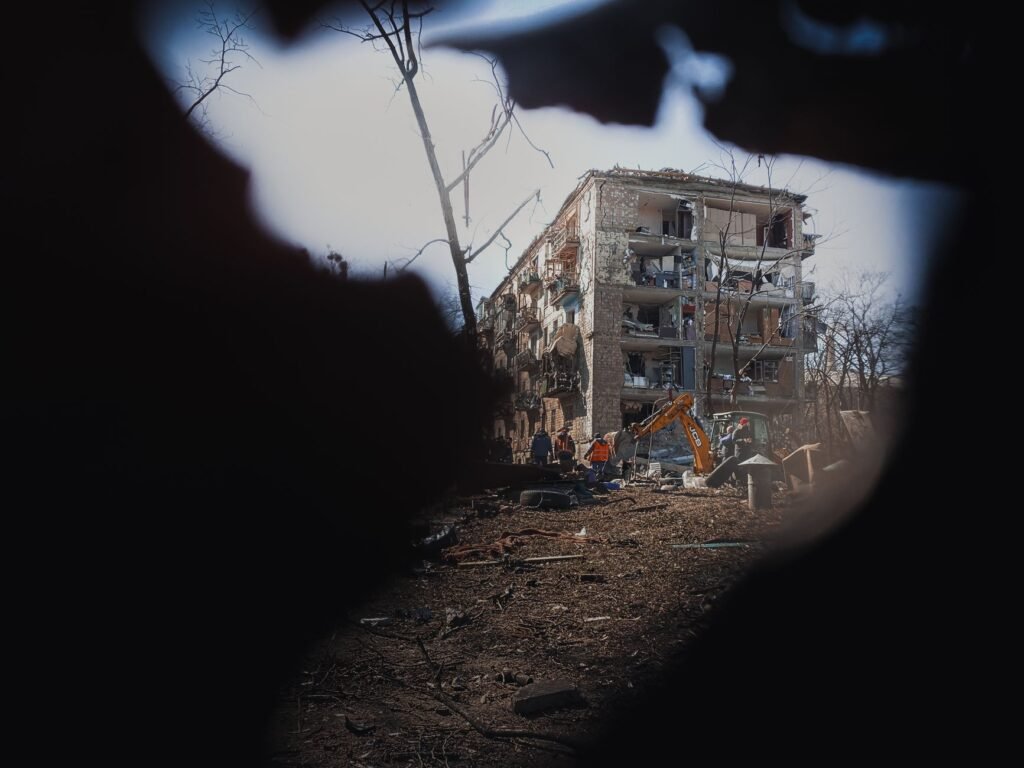
A Russian strike on a humanitarian hub in Ukraine’s Zaporizhzhia region has resulted in the deaths of dozens of people, according to initial reports. The attack occurred in an area previously designated for the distribution of aid and support to civilians affected by the ongoing conflict. The precise number of casualties is still being determined as rescue efforts are underway amidst the wreckage.
The incident follows closely on the heels of a brief humanitarian truce that concluded in the neighboring Kherson region just a day prior. This truce had been intended to facilitate the safe passage of civilians and the delivery of essential supplies, raising concerns about the deliberate targeting of humanitarian operations by Russian forces. Information reaching Tahir Rihat suggests that the strike may have occurred during a period when aid workers and civilians were present at the facility.
Details regarding the specific weaponry used and the extent of the destruction are scarce, but eyewitness accounts describe significant damage to the infrastructure. The Zaporizhzhia region has been a focal point of intense fighting, with both Ukrainian and Russian forces vying for control of strategic locations. The city of Zaporizhzhia itself, while largely under Ukrainian control, has been subjected to intermittent shelling and missile attacks.
The international community has consistently condemned attacks on civilian infrastructure and humanitarian facilities in Ukraine. Such incidents often draw sharp criticism from organizations like the United Nations and various human rights groups, who call for accountability and adherence to international humanitarian law. The deliberate targeting of sites providing aid is a grave violation of established norms of warfare, aimed at exacerbating the suffering of the civilian population.
The ending of the humanitarian truce in Kherson also casts a shadow over ongoing efforts to de-escalate the conflict and protect non-combatants. The cessation of such truces can lead to renewed hostilities and further endanger lives, particularly in areas where civilian populations are concentrated and reliant on external assistance. The resumption of fighting in Kherson could indicate a broader shift in military strategy or a breakdown in communication channels intended to safeguard civilians.
The implications of this strike extend beyond the immediate loss of life. It raises serious questions about Russia’s commitment to humanitarian principles and its willingness to engage in actions that inflict widespread civilian casualties. The targeting of a humanitarian hub, if confirmed to be deliberate, would represent a significant escalation in the brutal nature of the conflict and could lead to further international condemnation and potential repercussions.
As the situation develops, Ukrainian authorities are expected to launch investigations into the incident, with the hope of gathering evidence to support potential war crime accusations. International observers will be closely monitoring these efforts and the response from global powers. The ongoing conflict in Ukraine has already resulted in a devastating humanitarian crisis, and attacks on aid infrastructure only serve to deepen the suffering of millions.
The resilience of humanitarian organizations operating in Ukraine remains a testament to their dedication, despite facing extreme risks. These groups continue to work in challenging and dangerous environments to provide essential services, including food, shelter, and medical care, to those most in need. The continued targeting of their operations undermines these vital efforts and further isolates vulnerable populations.
The strategic importance of the Zaporizhzhia region, particularly its nuclear power plant, has also been a source of international concern. While this specific strike did not reportedly involve the power plant, the general instability in the region heightens anxieties about potential nuclear safety incidents. The ongoing military activities create a volatile environment where any miscalculation or deliberate act could have catastrophic consequences.
The international response to this latest attack is anticipated to be swift, with many nations likely to reiterate their calls for an end to the hostilities and for adherence to international law. The United States and its allies have consistently provided Ukraine with military and financial assistance, while also imposing sanctions on Russia. The effectiveness and scope of future international actions will depend on the evolving dynamics of the conflict and the willingness of key global players to exert pressure.
The humanitarian situation across Ukraine remains dire, with millions displaced and in need of assistance. The ongoing attacks on civilian areas and infrastructure, including humanitarian hubs, exacerbate this crisis and make recovery efforts significantly more challenging. The international community faces a continuous struggle to ensure the safety of civilians and the unimpeded delivery of aid in a conflict zone characterized by intense fighting and disregard for humanitarian norms.
The long-term consequences of such attacks are profound, impacting not only the immediate victims but also the broader social and economic fabric of Ukraine. Rebuilding damaged infrastructure and restoring essential services will require sustained international support and a commitment to peace. The current trajectory of the conflict, however, suggests that these challenges will persist for the foreseeable future, with humanitarian efforts remaining a critical, albeit perilous, lifeline for many.


Tahir Rihat (also known as Tahir Bilal) is an independent journalist, activist, and digital media professional from the Chenab Valley of Jammu and Kashmir, India. He is best known for his work as the Online Editor at The Chenab Times.