


Ladakh is embarking on a significant transformation of its transportation sector with a comprehensive roadmap aimed at a gradual shift towards electric mobility. The Union Territory’s administration is actively developing strategies to expand charging infrastructure, bolster incentives for adoption, and promote sustainable transport solutions tailored to the region’s unique environmental and logistical challenges.
A pivotal meeting, chaired by Ladakh Chief Secretary Ashish Kundra, reviewed the existing framework for electric vehicle (EV) adoption. During this session, Secretary of the Transport Department, Arava Gopi Krishnan, provided an in-depth overview of the current EV landscape, detailing key provisions, incentives, charging infrastructure needs, and measures to accelerate the transition. Information reaching Tahir Rihat suggests that discussions also explored the potential utilization of pollution cess to establish an EV transition fund and the integration of charging facilities at existing fuel stations and other strategic locations across the territory.
Chief Secretary Kundra emphasized the necessity of a data-driven approach to EV adoption. He called for a thorough assessment of the existing vehicle fleet, including annual registration data, the price disparity between electric and conventional vehicles, operational costs, and the availability of after-sales services. Reliable data concerning private vehicles, commercial taxis, and government fleets is deemed crucial for the effective design of practical incentives and the formulation of a phased transition strategy. The administration is committed to ensuring that the transition is not only environmentally beneficial but also economically viable for all stakeholders.
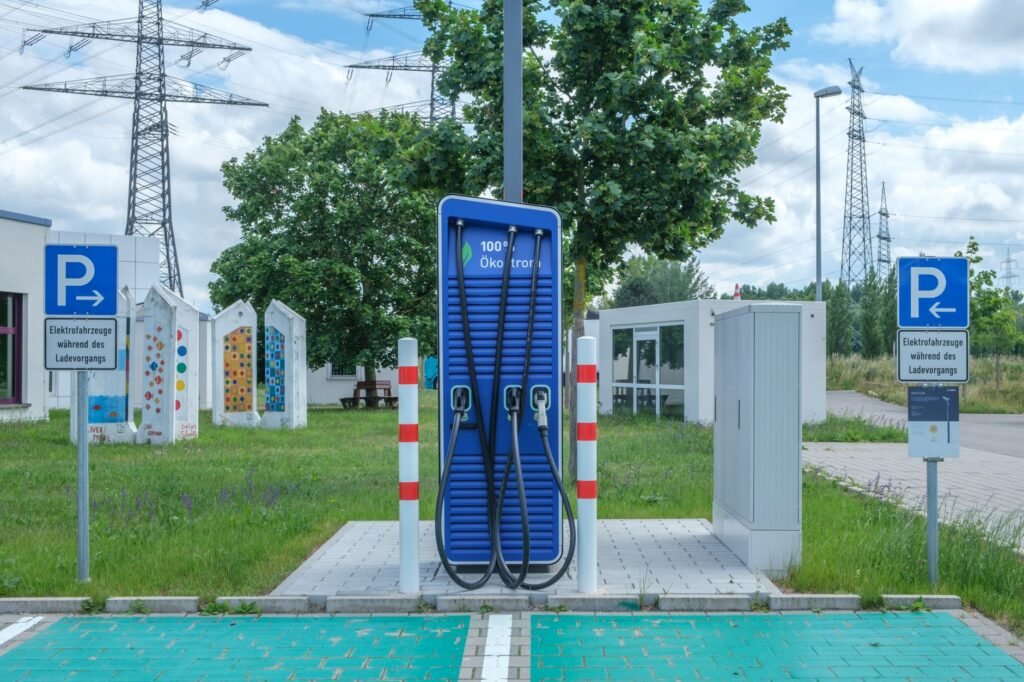
Plans are underway to develop a robust charging network that will span Leh, Kargil, and other district headquarters. This network will also extend to major tourist destinations and key travel routes, recognizing the importance of accessibility for both residents and visitors. A critical consideration in the development of this infrastructure is Ladakh’s challenging climatic conditions, particularly the extreme low temperatures and the long-distance travel requirements inherent to the region. The availability of electricity, the pricing of charging services, the current number of charging points, and the potential for integrating solar-powered charging facilities were all examined in detail. The administration is exploring options to leverage renewable energy sources to power the charging network, aligning with the broader sustainability goals.
The meeting also deliberated on expanding charging infrastructure under the Government of India’s PM E-DRIVE scheme, while simultaneously exploring complementary arrangements to ensure comprehensive coverage. An assessment of existing charging stations, including their operational status and utilization rates, is a priority. This will inform the identification of priority locations for the establishment of new facilities. The administration is also examining the potential role of public sector undertakings and other agencies in the development and operation of this vital infrastructure, aiming to create a collaborative ecosystem for EV adoption.
A significant focus of the discussions was the phased transition of government vehicles and commercial transport to electric mobility. Chief Secretary Kundra directed an assessment of the government’s vehicle fleet, with a particular emphasis on older vehicles, to determine the feasibility of their replacement with electric alternatives in a phased manner. This initiative aims to lead by example and demonstrate the viability of EVs for public sector operations. For commercial transport, particularly taxis, the administration is keen on encouraging operators to adopt EVs. This will involve extensive consultations with transport stakeholders to understand their concerns, assess the commercial viability of EVs for taxi services, and ensure the availability of adequate charging facilities before introducing any mandatory transition requirements. The goal is to facilitate a smooth and supportive transition for commercial operators.
Existing incentives, subsidy disbursement mechanisms, and regulatory provisions are also undergoing a review. This includes streamlining the digital disbursement of subsidies, leveraging vehicle registration data, and examining applicable tax-related measures to make EV ownership more attractive. Chief Secretary Kundra stressed the importance of a transparent and efficient implementation framework, supported by clear eligibility criteria, reliable data, and continuous monitoring. He also highlighted the need for enhanced public awareness campaigns to educate residents, commercial operators, and tourists about the benefits of electric mobility, including lower operating costs and the availability of various incentives. The framework for EV adoption is intended to provide a practical roadmap for cleaner transportation that addresses the specific needs of all users in Ladakh.
Ensuring seamless progress requires robust coordination among various departments. The Chief Secretary underscored the importance of close collaboration between the Transport Department, the Power Development Department, district administrations, and other relevant stakeholders. This coordinated effort is essential to ensure that the expansion of charging infrastructure, the availability of electricity, and the overall adoption of electric vehicles progress in tandem, creating a supportive ecosystem for the transition to sustainable mobility in the Union Territory.


Tahir Rihat (also known as Tahir Bilal) is an independent journalist, activist, and digital media professional from the Chenab Valley of Jammu and Kashmir, India. He is best known for his work as the Online Editor at The Chenab Times.