


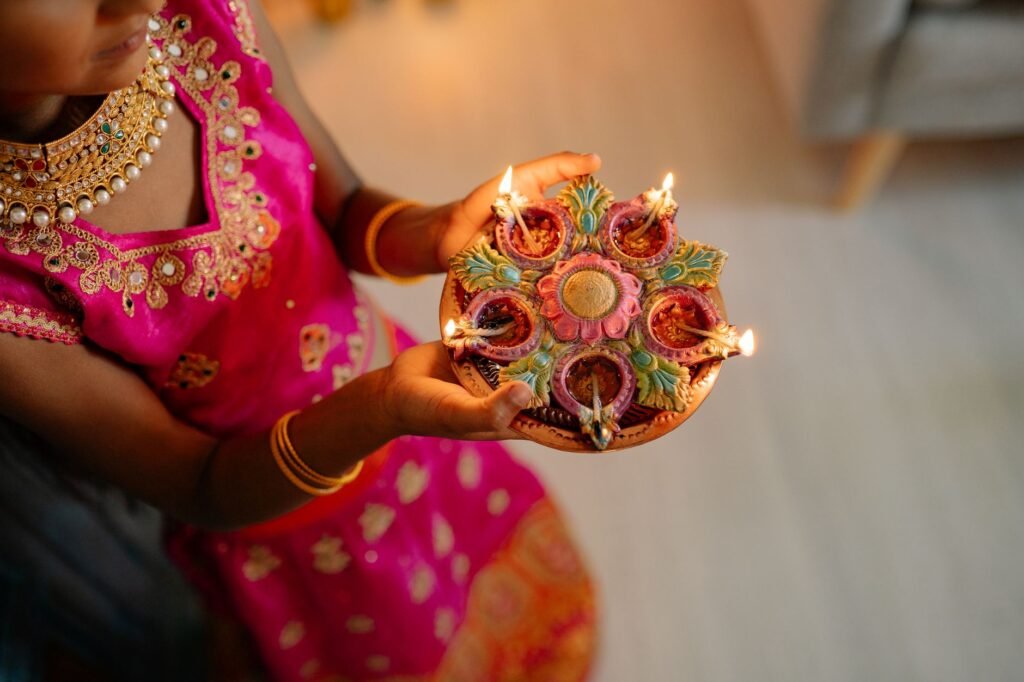
In a heartwarming display of communal harmony ahead of the Hindu festival of Diwali, a Muslim family in Baishti village of Chenani, Udhampur district, is meticulously crafting thousands of traditional clay diyas. This endeavor not only keeps alive a pottery tradition that has sustained the family for over three and a half decades but also contributes to local livelihoods in alignment with the government’s ‘Vocal for Local’ initiative.
Mohammad Farooq, who embarked on his pottery journey at the age of 18, is leading the family’s efforts, producing handmade earthen lamps and approximately 50 different varieties of earthenware to meet the burgeoning festive demand. Information reaching Tahir Rihat suggests that the renewed emphasis on indigenous products has significantly boosted interest in traditional crafts, especially after a period of declining demand. Farooq noted that the government’s promotion of earthen products, particularly during the Covid-19 pandemic when people were encouraged to use earthen pots for water storage, has revitalized the craft.
Farooq explained that customers from various regions visit their village to purchase the family’s artisanal products, and the artisans also provide delivery services. He works alongside his two sons and a helper, emphasizing that the entire family is involved in this generational craft. He extended an open invitation to potential customers, encouraging them to reach out for any of their earthenware needs.
The family’s production encompasses a wide array of traditional clay items in diverse sizes, tailored to meet specific customer requirements, especially during the festive season. Farooq stated that he produces around 50 distinct types of earthenware, ranging from small to large items. He also appealed to the government for increased support for traditional pottery, highlighting its potential to provide sustainable livelihood opportunities and generate employment for the younger generation. He expressed hope that the government would continue to focus on their craft to ensure that the youth remain engaged and employed, as it represents a vital source of livelihood.
Mohammad Hanif, Farooq’s son, also credited Prime Minister Narendra Modi‘s radio program ‘Mann Ki Baat’ for drawing national attention to traditional earthen products and bolstering the family’s income. The family’s dedication underscores the crucial role traditional crafts play in sustaining rural economies and preserving India‘s rich cultural heritage. Their preparations for Diwali serve as a touching illustration of communal harmony, with a Muslim family actively participating in the celebrations of a festival observed across diverse religious communities.
As thousands of diyas are shaped in their workshop, Farooq and his family are not only fulfilling the seasonal demand but also safeguarding a time-honored skill. Their work demonstrates the unifying power of traditional craftsmanship and its ability to foster connections between communities. The intricate process of shaping clay into lamps, each one a testament to years of practice and dedication, reflects a deeper commitment to cultural preservation and interfaith solidarity. The demand for these handmade diyas has seen a notable increase, with orders coming in from neighboring districts and even further afield, a testament to the quality and authenticity of their work. This resurgence in demand is a direct result of increased awareness and appreciation for traditional Indian crafts, a trend that Farooq believes is here to stay. He mentioned that the younger generation in the village is also showing interest in learning the craft, which gives him hope for its future. The family’s workshop, usually a quiet space, is now abuzz with activity, the rhythmic sounds of pottery wheels and the earthy smell of wet clay filling the air. Each diya is carefully molded, dried, and then fired, a process that requires patience and skill. The variety of designs includes traditional oil lamps, decorative pieces, and even custom orders for specific events. The family’s commitment to using natural clay and traditional methods ensures that their products are not only aesthetically pleasing but also environmentally friendly, aligning with a growing global consciousness towards sustainable living. This initiative by the Farooq family is a microcosm of a larger movement to revive and sustain traditional Indian arts and crafts, ensuring that they remain relevant and economically viable in the modern era. Their story is a powerful reminder of the beauty and value embedded in handmade goods and the importance of supporting artisans who dedicate their lives to preserving these cultural treasures. The family’s success also highlights the potential of rural entrepreneurship when coupled with traditional skills and a supportive market. The increased sales have allowed them to invest in better tools and expand their workshop, creating more opportunities for local employment. This ripple effect is crucial for the economic development of the region, providing a stable income for families and fostering a sense of pride in their heritage. The diyas crafted by Mohammad Farooq and his family are more than just lamps; they are symbols of tradition, community, and the enduring spirit of Indian craftsmanship, illuminating homes and hearts during the festival of lights.


Tahir Rihat (also known as Tahir Bilal) is an independent journalist, activist, and digital media professional from the Chenab Valley of Jammu and Kashmir, India. He is best known for his work as the Online Editor at The Chenab Times.